|
|
|
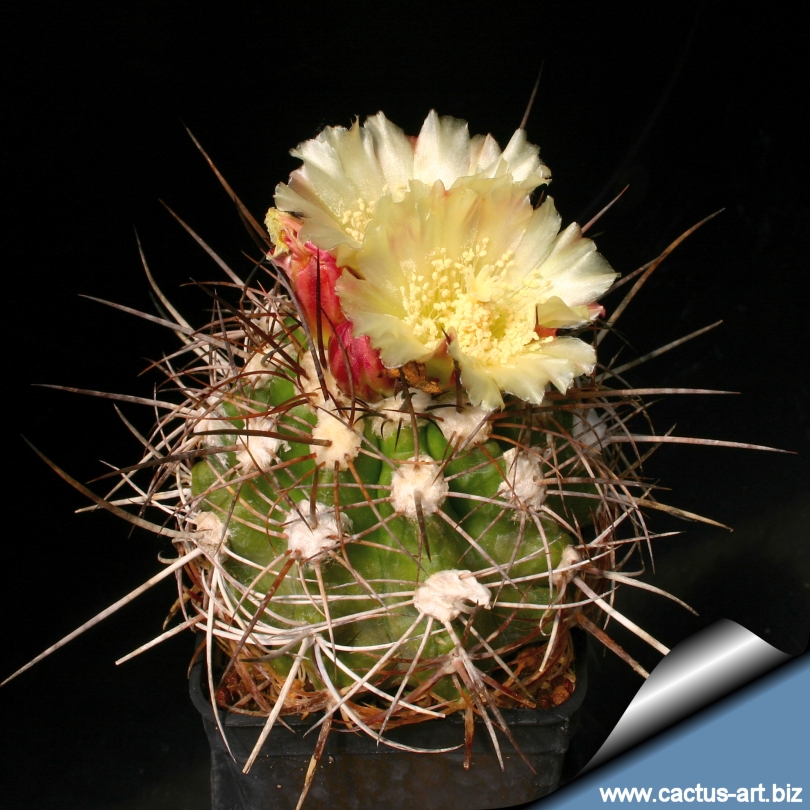
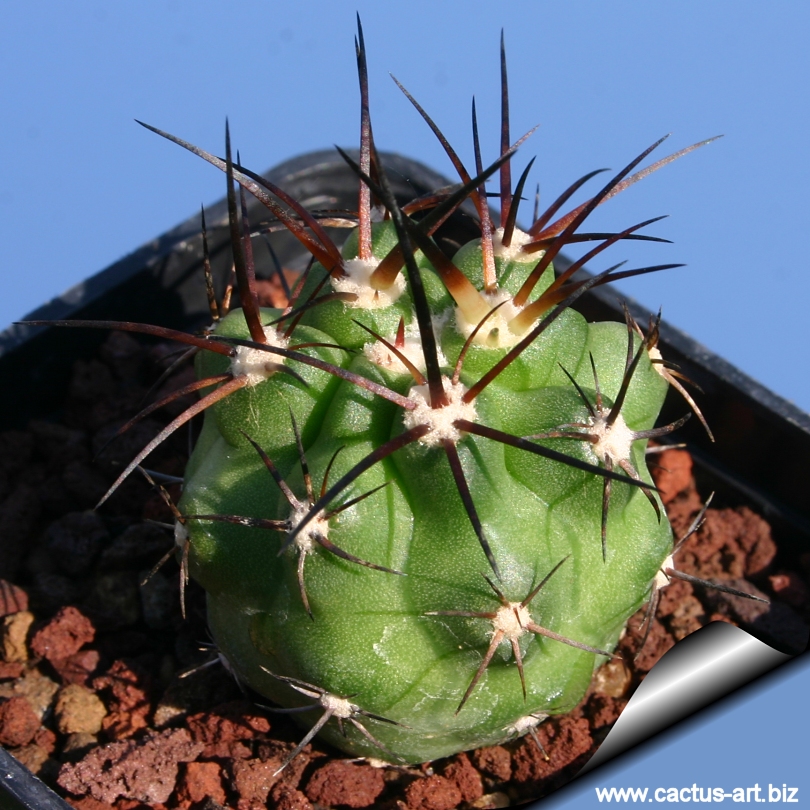
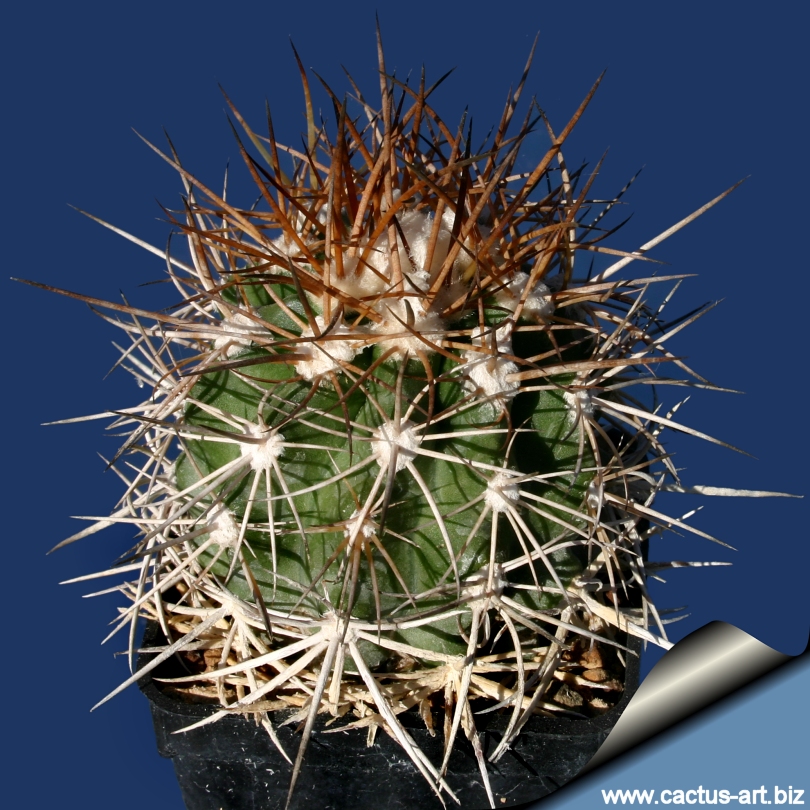
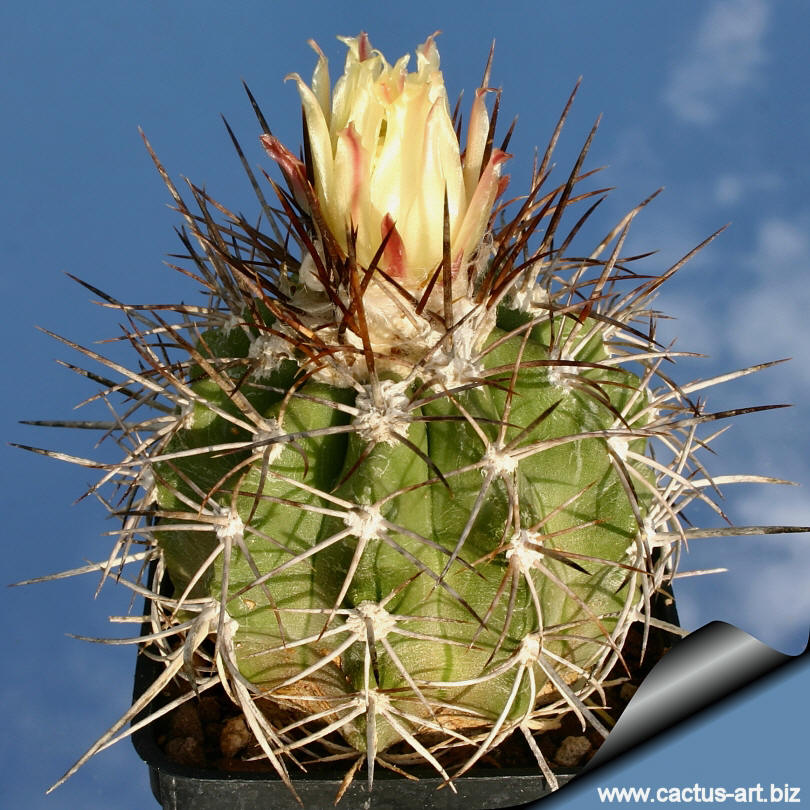
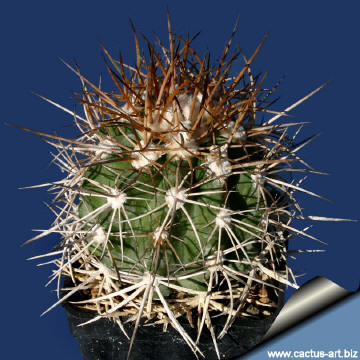
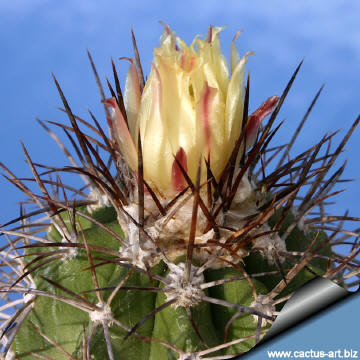
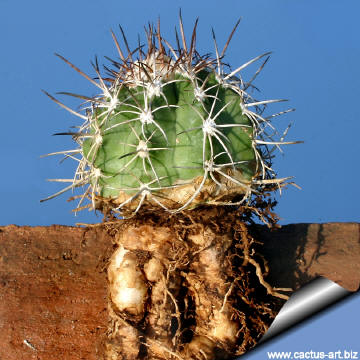
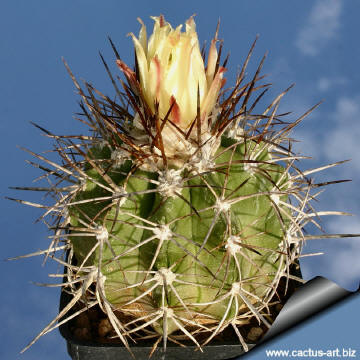
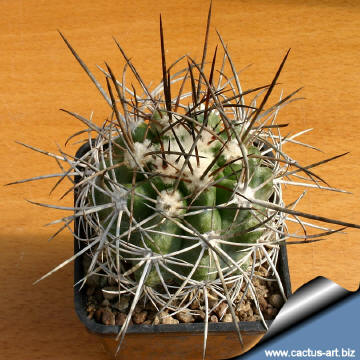
Copiapoa pendulina KK1391 Fray Jorge, Chile 200m
|
 |
 |
|
.
|
 |
 |
|
.
|
 |
 |
|
Photo of conspecific taxa, varieties, forms and
cultivars of Copiapoa pendulina (coquimbana)
(This taxon has lots of synonyms (like most Copiapoa)
whit several controversial varieties and subspecies):
|
|
Advertising
|
|
|
|
|
Family:
Cactaceae (Cactus
Family)
Scientific name: Copiapoa coquimbana (Karwinsky ex Rümpler)
Britton & Rose
Origin:
South of the Copiapoa genus range
(from the hills around the coastal towns of Coquimbo and La Serena in
the province of Coquimbo) Chile.
Conservation status: Listed in
CITES appendix 2.
Synonyms:
-
Copiapoa pendulina
-
Copiapoa vallenarensis
-
Copiapoa pseudocoquimbana
-
Copiapoa wagenknechtii
-
Echinocactus coquimbanus
-
Copiapoa alticostata
|
Description:
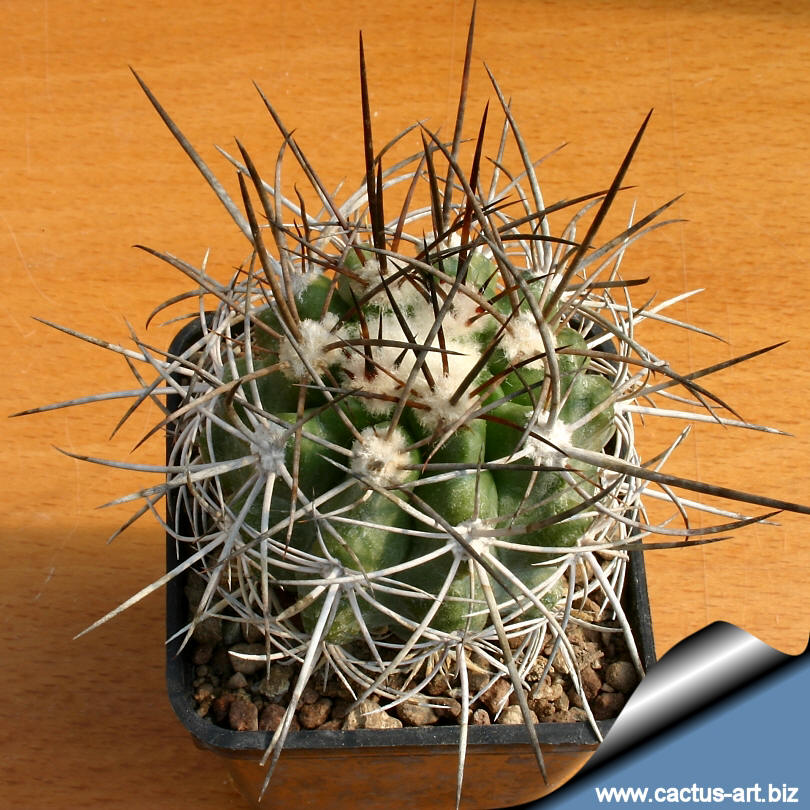
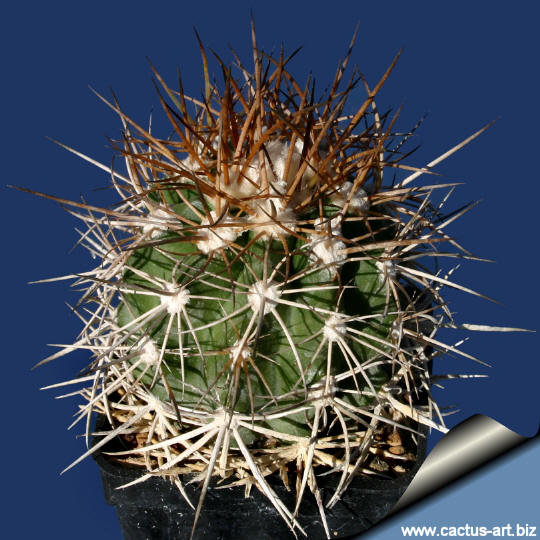
Elongated-globose
stems 10-15 cm in diameter that branches profusely, forming large clumps
up 1 m large
and 60cm high.
Pale to bright green
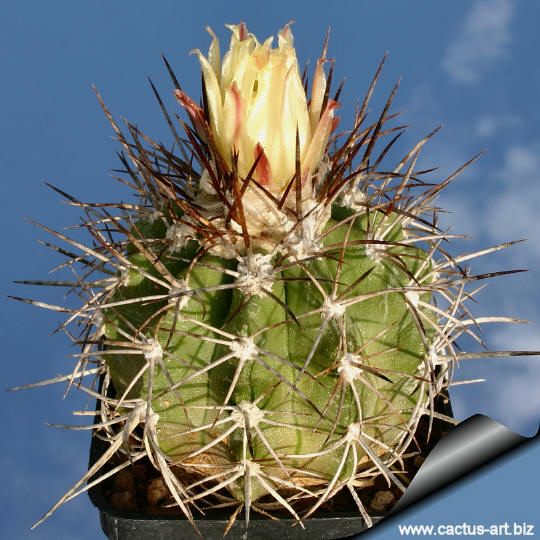
and crowned by a dense
mass of long white wool,
particularly at flowering time. There are 10 to 17 tuberculate ribs with
a rounded, raised edge and a wide base.
Areoles: apical,
convex, covered with short
wool when young, later glabrous
about 0,5-0,8 cm, 2 cm apart.
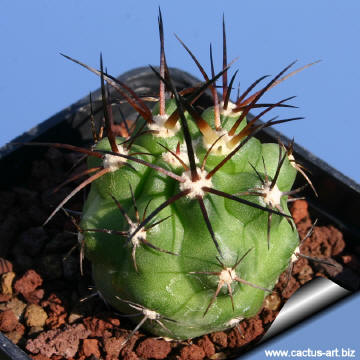
Spines: Radials: 8-10 fairly slender or slightly curved
horizontal, honey-amber, brown or black becoming gray with age;
centrals: absent or one or two
thicker up to 3cm long.
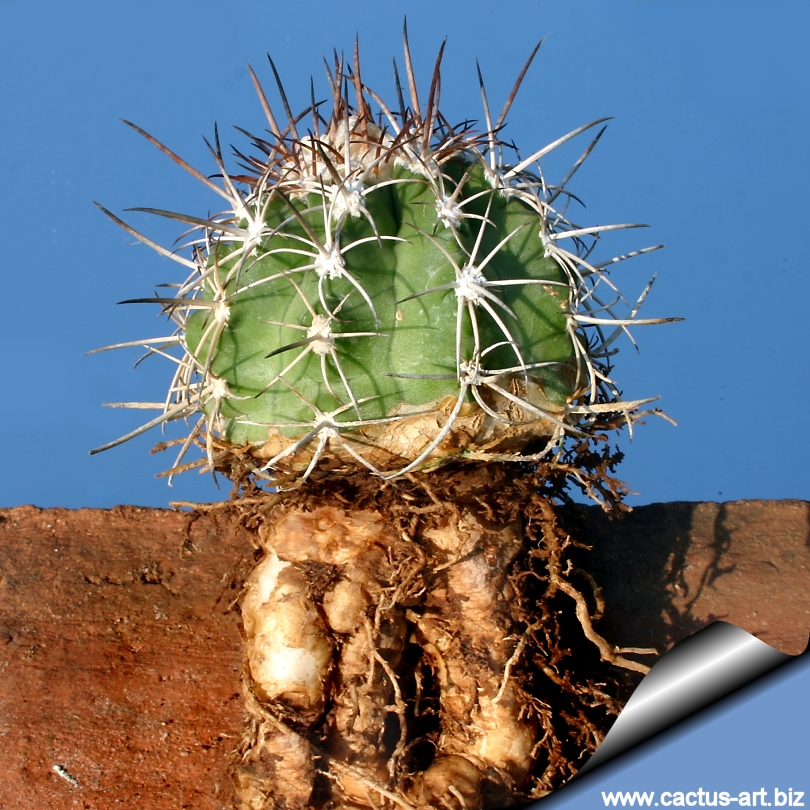
Roots: Ffibrous, unlike other species which have taproots.
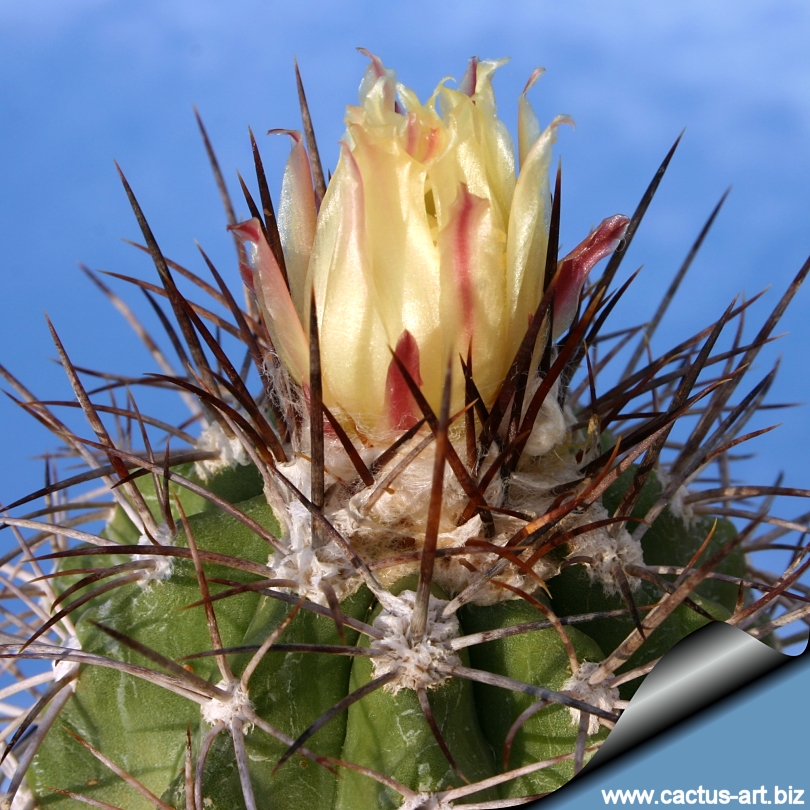
Flowers: Campanulate 3 cm long and grow from the center of the
white wool at the apex. Outer segments of the perianth are linear and
greenish; inner segments are wide, blunt and yellow
|
|
|
|
Cultivation: Very slow growing, need full sun but should be
protected from excessive heat and sun in summer. Require light watering
and
good drainage. Keep warm and dry in winter to avoid rot.
It needs mild heat in winter, avoid any frost.
Propagation: Seeds or or stems planted
as cuttings. Grafting is often used to
speed growth rate and to create a back-up to plants in collection.


|
|


 Cultivation and
Mail Sale
Cultivation and
Mail Sale