|
|
|
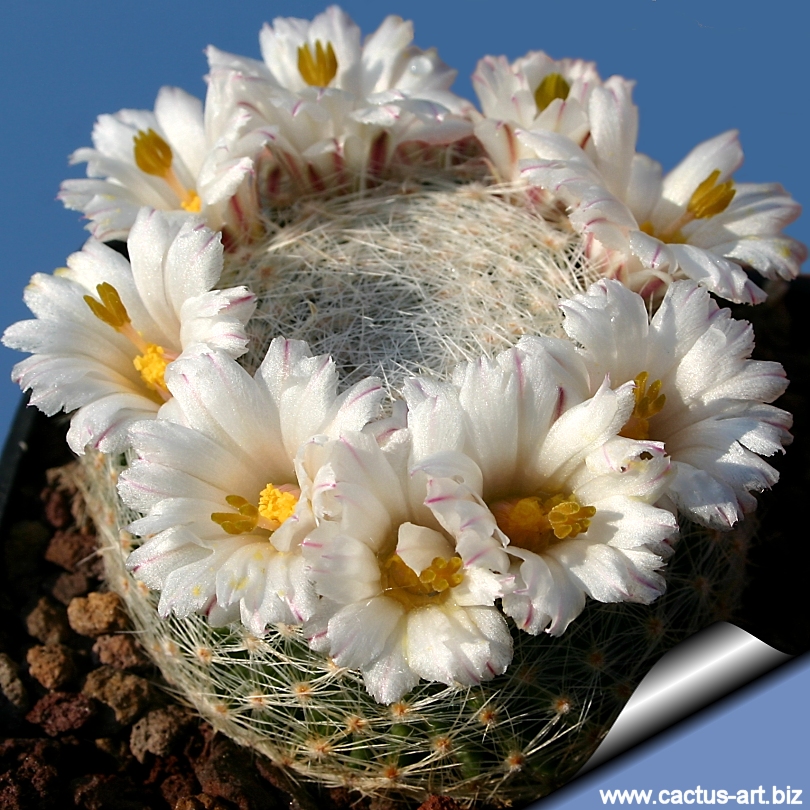
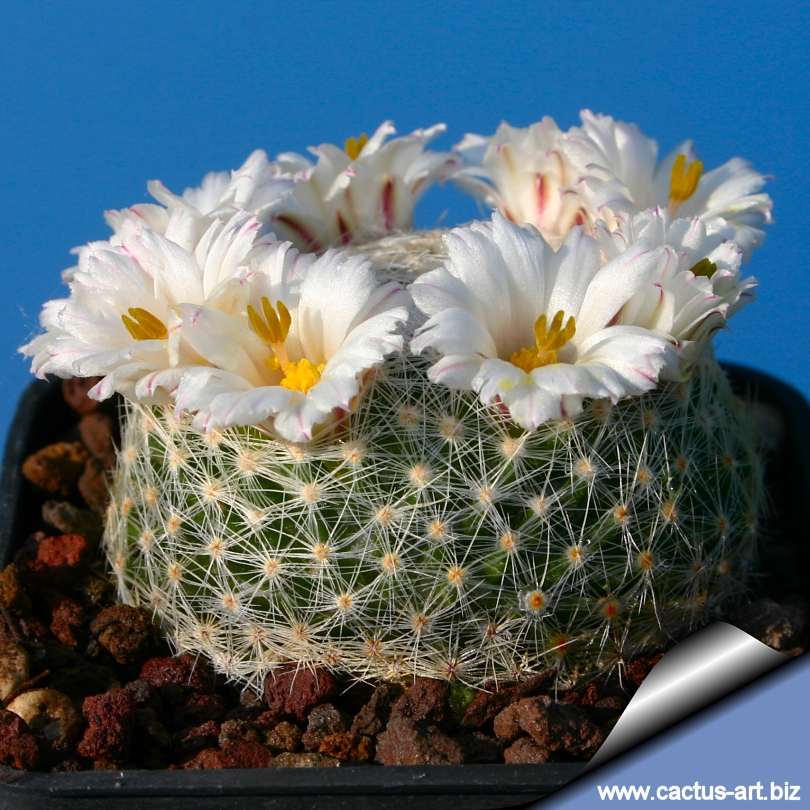
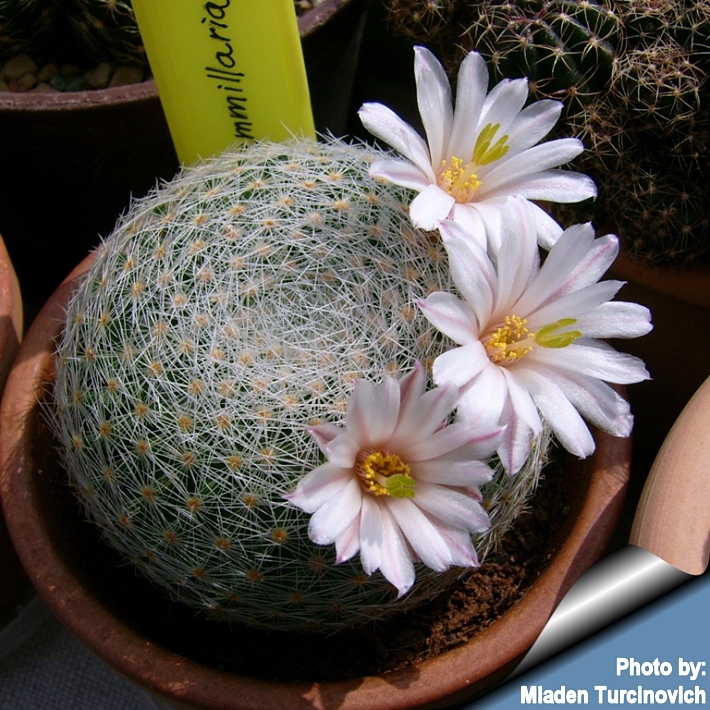
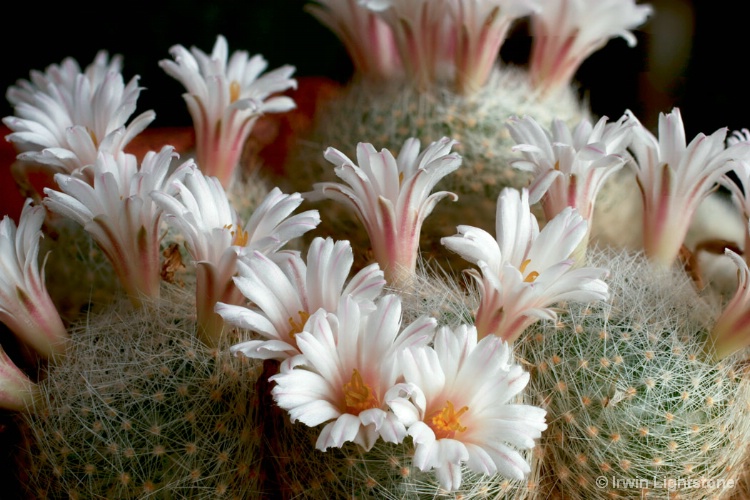
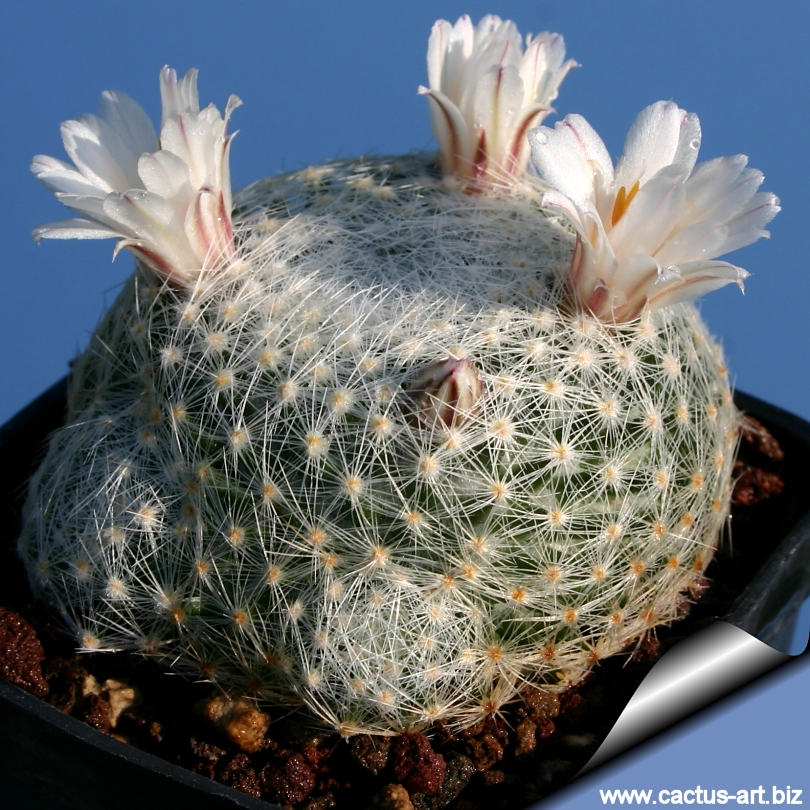
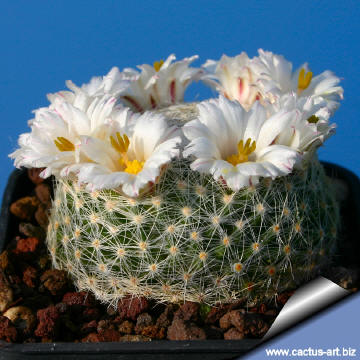
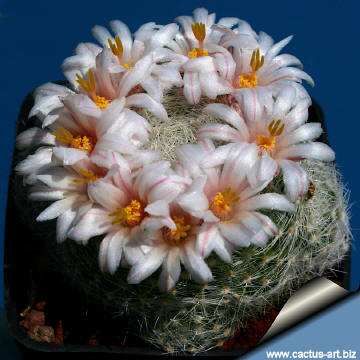
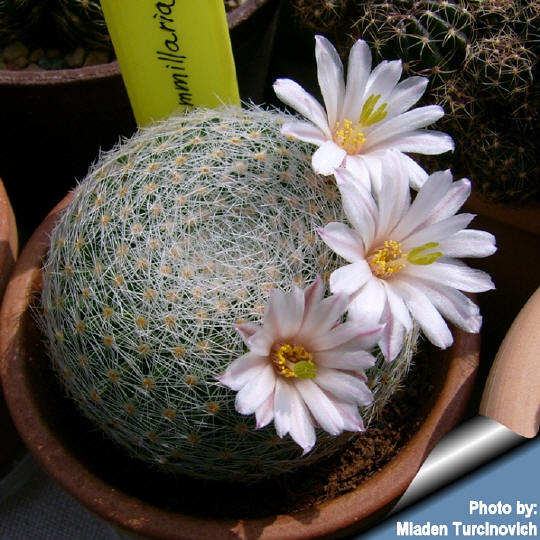
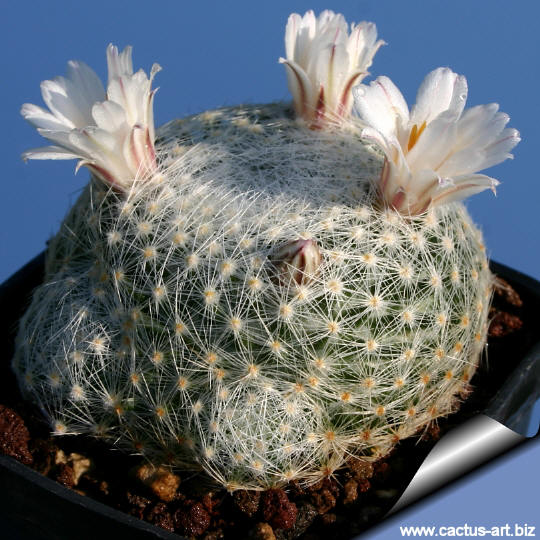
Mammillaria lenta is an attractive and rewarding cactus with
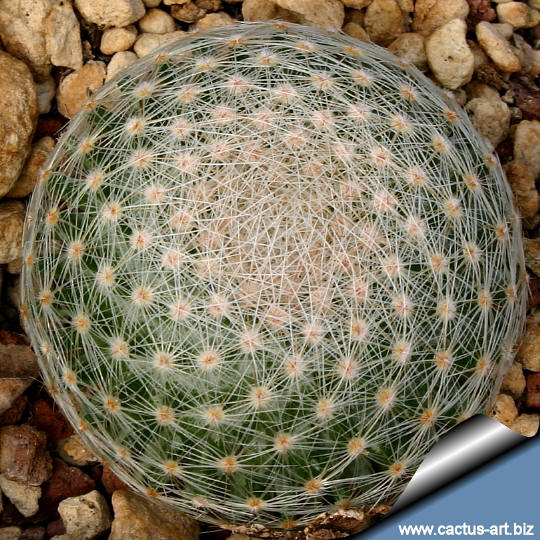
dense criss-crossing white spines
The slow growth rate but offsetting habit and unusual large flowers make
it one of the most sought-after species and it is often a show winner.
|
|
 |
 |
|
 |
 |
|
. |
|
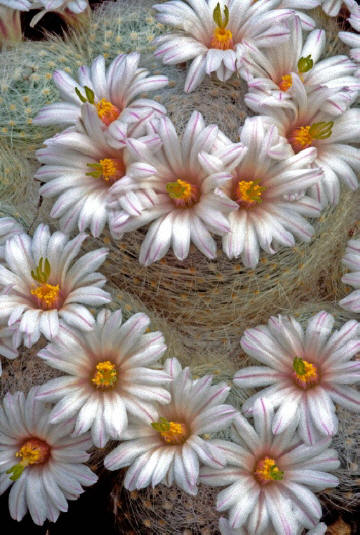
Photo &
©
copyright
by
Irwin Lightstone.
Images may not be copied, downloaded,
or used in any way without the expressed, written permission of the
photographer.
|
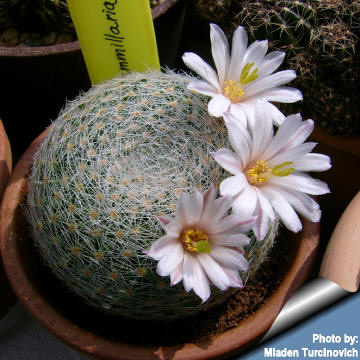
Photo and ©
copyright by
Mladen Turcinovic (Croatia)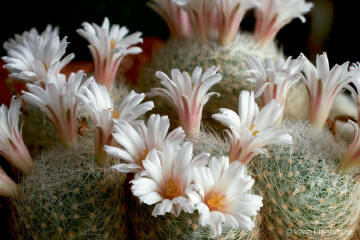
Photo &
©
copyright
by
Irwin Lightstone. |
|
Cultivation: It is a slow growing species. Use
a pot with good drainage and a very
porous
mineral-based potting mix.
Potted
plants are quite
wet-sensitive and easy to rot if over-watered,
especially in winter.
Water
sparingly during the
growing season;
keep very dry in
winter.
Feed with a high potassium
fertilizer in summer.
Usually it is recommended to
over-winter
this plant in a bright and warm greenhouse with
at least 8-10° C , but it has
proved to be quite
frost resistant
(if kept dry, it's hardy as low as -5° C). Outside full sun or
afternoon shade, inside it needs bright light, and some direct sun.
Some plants will offset readily,
and clumps can be produced in a very few years.
Propagation: By direct sowing after last frost, or by
cuttings or
grafting.
|
|


Advertising
|
|
|
|
|
Family:
Cactaceae (Cactus
Family)
Scientific name:
Mammillaria lenta
First description by K. Brandegee, Zoe 5: 194 (1904)
Origin: Geographic Distribution: Coahuila, Mexico. (Type
locality near Viesca)
Habitat: It grows and clumps in rock
cracks. Altitude 900 - 1.400 m.
Conservation status: Listed in
CITES appendix 2.
Synonyms:
- Neomammillaria lenta
- Chilita lenta
- Escobariopsis lenta
NOTE: This species has been referred to as related to
Mammillaria sphacelata which is also found in the same type
locality
|
|
Description: Mammillaria lenta is a very slow
growing succulent that branches basally to form quite large flat-topped
mounds of off-white to white with age. Some plants will begin to offset
when just a few cm across, while others are more reluctant to produce
offsets. Slower growing than the somewhat similar
M. plumosa
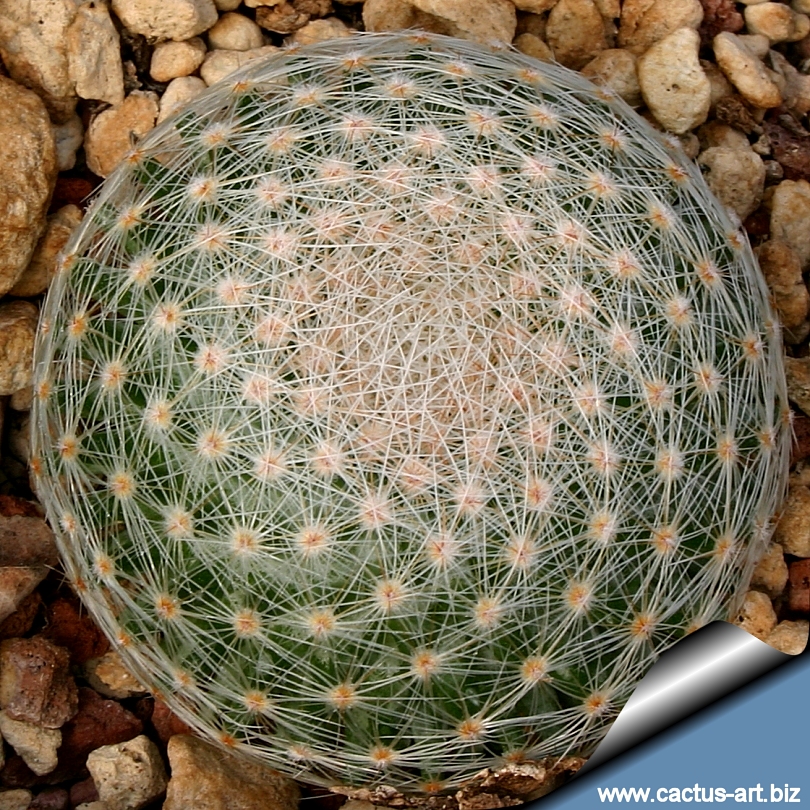
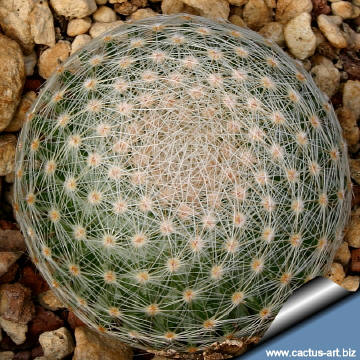
Stems: Flattened globular (or small columnar in cultivation),
almost hidden by the white delicate spines, bright green to yellow
green, typically (3-) 5 to 10 cm in diameter, 1 – 2 (or more) cm high.
Offsets may be produced low on the plant, or unusually high near the
growing tip.
Roots: Large, tuberous.
Sap: Without latex.
Parastichy number: 13 - 21
Tubercle: Slender conical, somewhat firm.
Axil: With short, persistent wool and occasionally bearing a
single bristyle.
Areoles: Naked.
Radial spine: 30 - 40, dense, fine, soft and close together
giving the effect of looking like a bird's nest glassy white to slightly
yellow, 3 - 7 mm long.
Central spine: Absent.
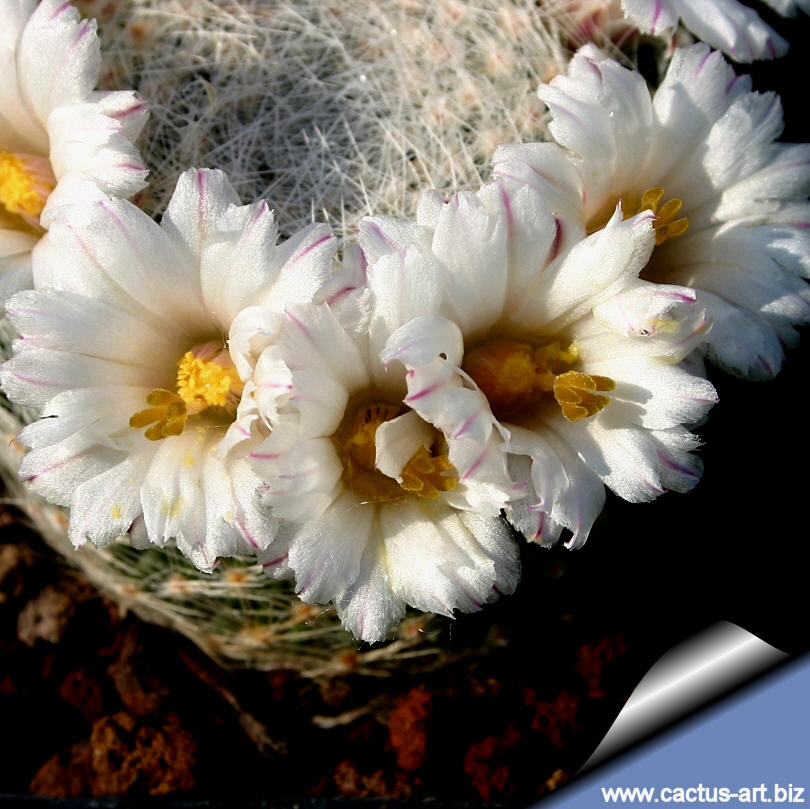
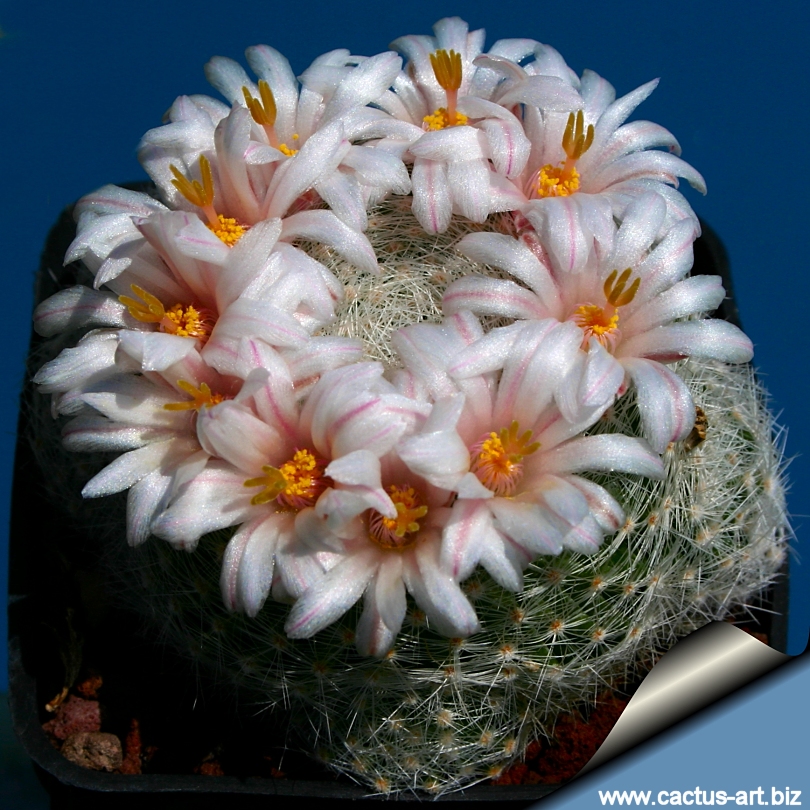
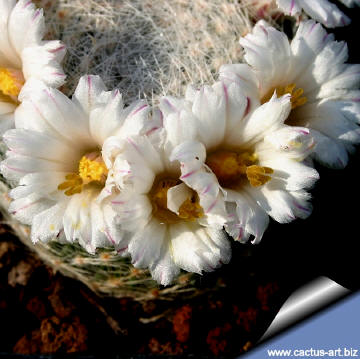
Flower: Produces rings of large pure white flowers with a
purplish-pinkish stripe, 20(-25) mm long and 25 mm in diameter. Stigmas
are a bright olive-green. Perianth segment pointed.
Blooming season (Europe): April/May. Flowering may be reluctant
unless it is placed in a warm position with high light levels.
Fruit: Clavate, red, up to 10 mm long.
Seed: Dull black,
diameter approx 1 mm.
|
|
|
|
|
|


 Cultivation and Mail Sale