-
1
-
2
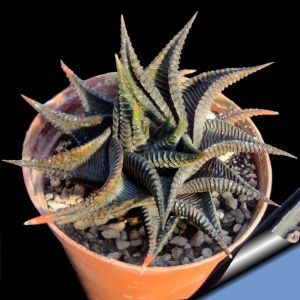
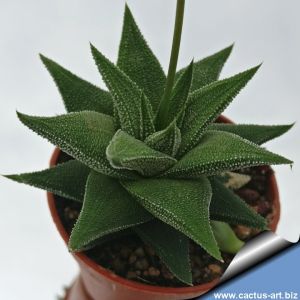
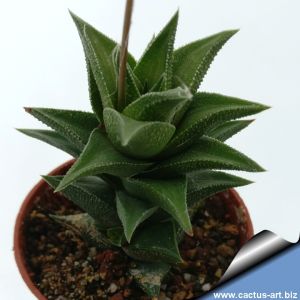
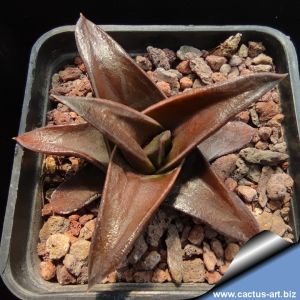
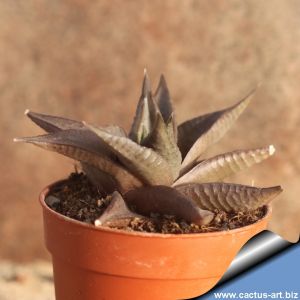
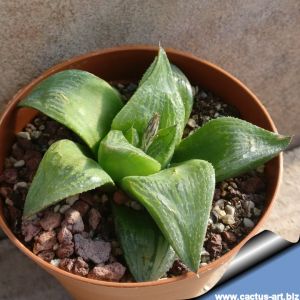
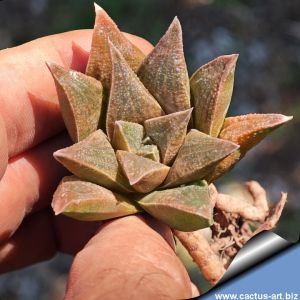
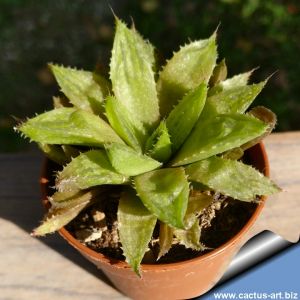
Haworthia limifolia ''spiralis'' forms a small compact rosette, characterized by triangular leaves that grow in a spiral, hence the name 'spiralis'. The dark green leaves, in winter, due to low temperatures, can take on a bronzed color.
-
3
-
4
-
5
-
6
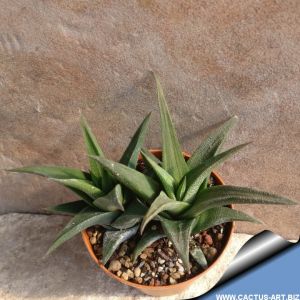
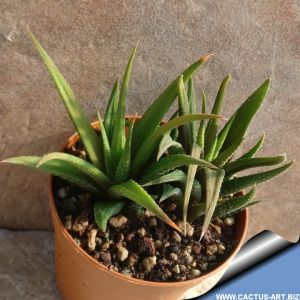
Sharply pointed succulent leaves arranged in three tiers or spiraling columns, scabrous and sticky (“viscosa” means “sticky”), densely packed along the stems. The plant offsets from its base and can eventually form large clumps.
-
7
-
8
-
9
-
10
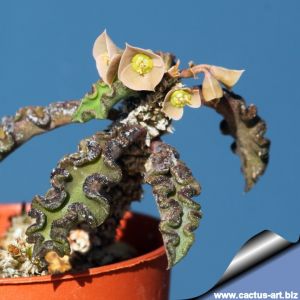
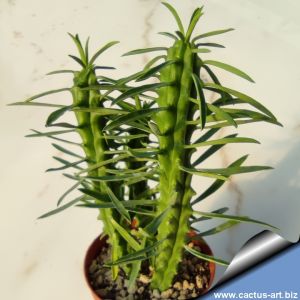
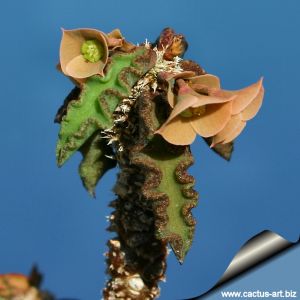
Euphorbia decaryi is a small Euphorbia species with beautiful wavy, zig-zag edged leaves. It is a mat-forming plant and spreads almost horizontally on the ground by means of rhizomes. The var. spirosticha is smaller and slow growing.
-
11
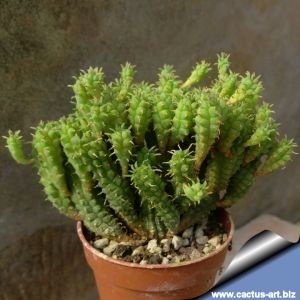
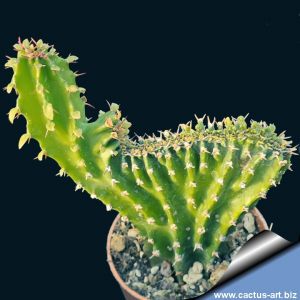
This is a cultivar that forms emispherical mounds composed of countless small heads. Nice and compact.
-
12
-
13
-
14
-
15
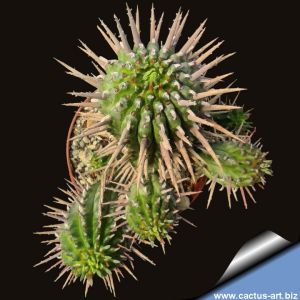
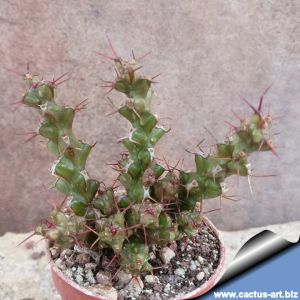
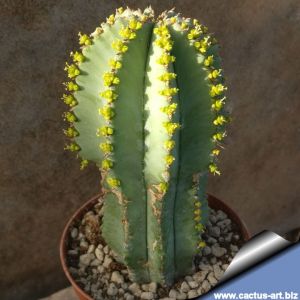
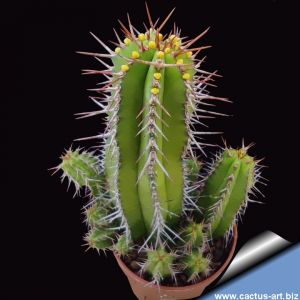
Small euphorbia forming spiny mounds up to 10 cm tall and 50 cm wide. Slender, erect green stems bear prominent tubercles and stiff, pointed gray-brown spines.
-
16
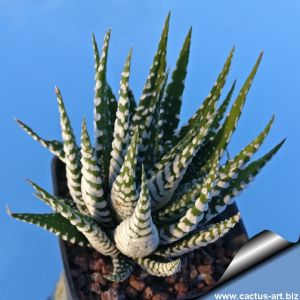
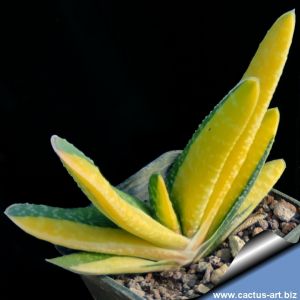
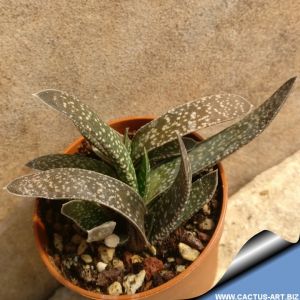
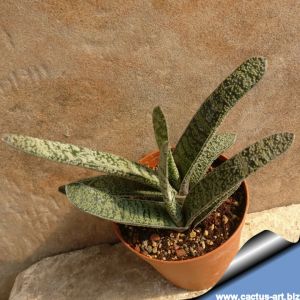
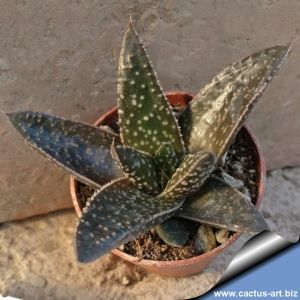
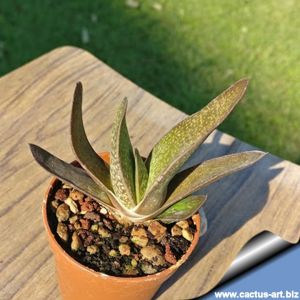
Variegated Wonder - This standout hybrid features elongated leaves with a mesmerizing trio of deep green with white freckles, and logitudinal lime stripes. Both breathtakingly beautiful and forgiving—a rare combination that dazzles beginners and expert.
-
17
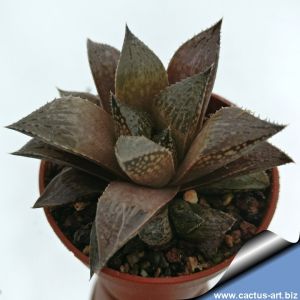
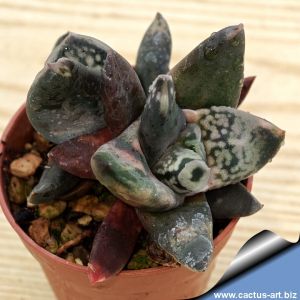
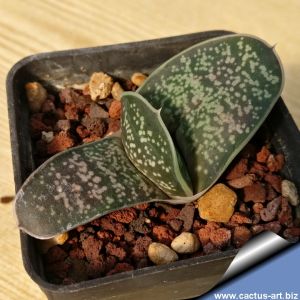
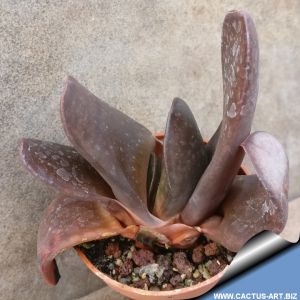
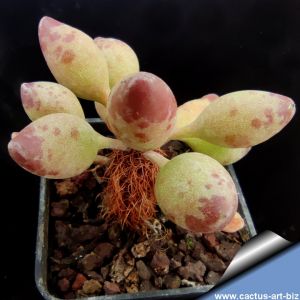
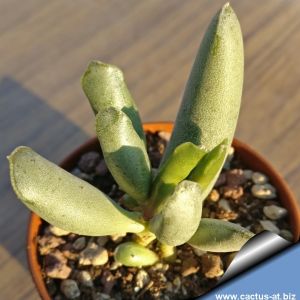
A strange slow-growing succulent with fleshy, lanceolate-tongue-shaped leaves that shift shape and color as they mature, deep green to near-black, with light speckles and purple-red or brown hues in sunlight. Forms tight rosettes and grows slowly.
-
18
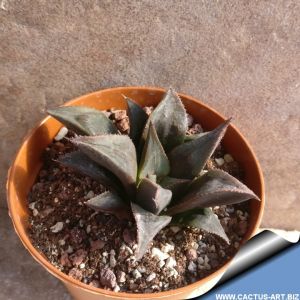
‘Hayashii’ captivates with velvety-smooth leaves in shades of midnight green to bittersweet chocolate, glazed with an almost metallic luster. Its rosettes, as if shaped by a master craftsman, distill the essence of Japanese minimalism—depth of hue in perf
-
19
-
20
-
21
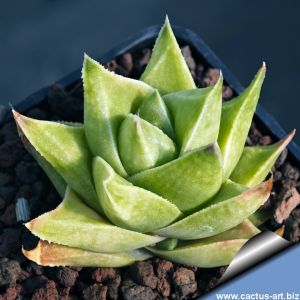
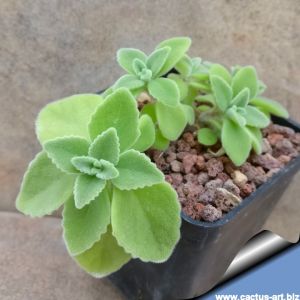
Miniature pale-green rosettes with soft, upturned leaves. Tiny white teeth edge each tapered leaf. Prolific branching creates dense botanical "pillows" over time.
-
22
-
23
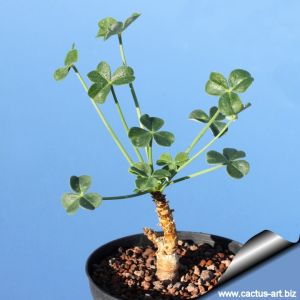
Also known as Great-rooted Wood-sorrel, it is a perennial herb, up to 20 cm tall with a swollen rootstock and short woody stems leafy and floriferous only at apex. This species is also renowned for the acidic flavor of its foliage, rich in oxalic acid.
-
24
The plant is extremely fragile and sheds its leaves at the slightest contact.
-
25
-
26
-
27
-
28
-
29
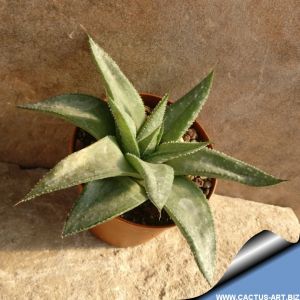
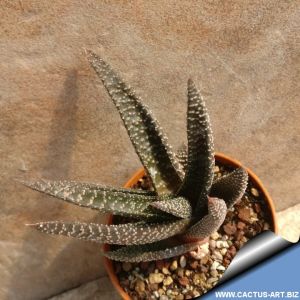
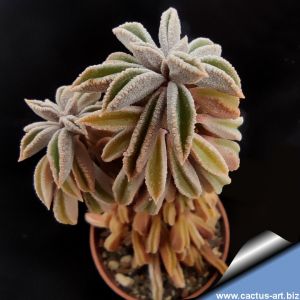
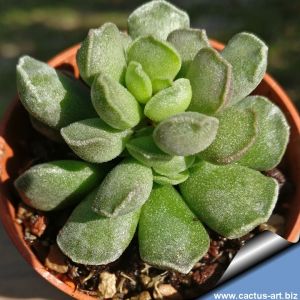
Tongue-shaped leaves in pale grey to dark grey-green, adorned with small cartilaginous tubercles in grey-white bands, creating a textured, silvery appearance. Turns pink under strong light. Slow-growing.
-
30
-
31
-
32
-
33
Small euphorbia with erect stems which, over time, tend to group together at the base. It has tuberculate green veins, from which long lanceolate leaves emerge. Yellow-green flowers on long peduncles. The leaves fall in the winter.
-
34
-
35
-
36
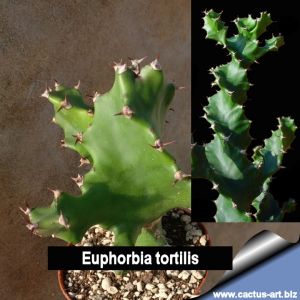
Euphorbia tortilis is a rare tree forming spurge native to Peninsular India and Sri Lanka. It grows in a crazy unique way, spiraling and twisting stem in a one of a kind way. Spines are short, hard and sharp.
-
37
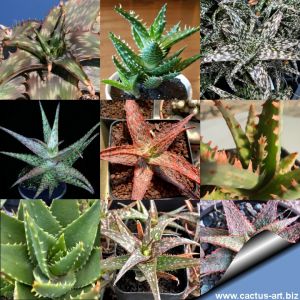
Aloe hybrid from seed. Each different.
-
38
-
39
-
40
-
41
-
42
-
43
-
44
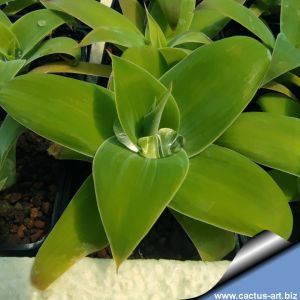
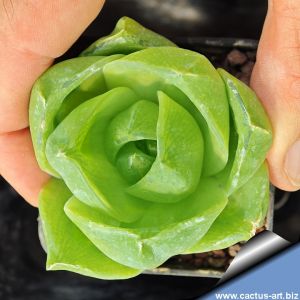
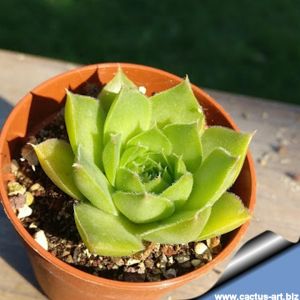
Large fresh green leaves in a rose-shaped bud.
-
45
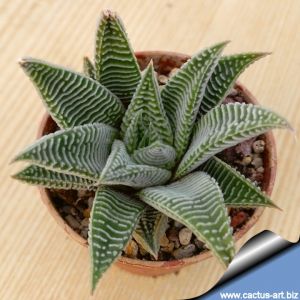
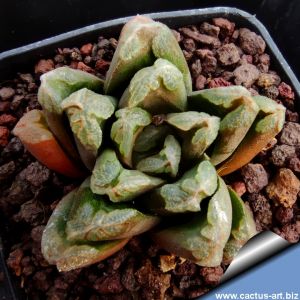
This is one of the best and cute haworthia cultivars. The leaves are banded with raised horizontal strips. The rosette is perfect, compact and elegant.
-
46
-
47
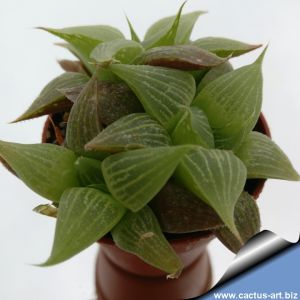
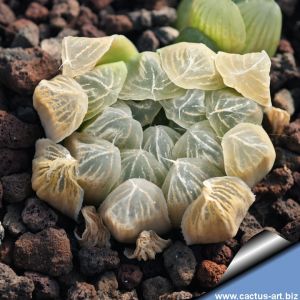
Tight rosettes of
emerald-green translucent leaves, etched with delicate cream veining. The
namesake "pilifera" refers to the hair-like filament (Lat. "pilus")
crowning each leaf tip. A gem-like miniature!
-
48
-
49
-
50
-
51
-
52
-
53
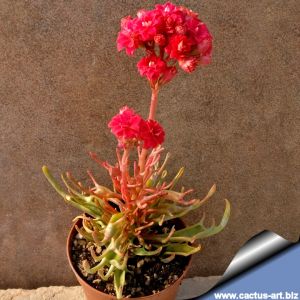
Vivid red blooms in tight clusters atop tall stems; the most striking trait is its finely dissected, highly branched leaves—pale green, shifting to coppery-red tones.
-
54
-
55
-
56
A captivating variety that develops a unique 5-pointed star-shaped rosette, ranging from olive-green to deep hazelnut under direct sunlight. Eventually, it forms a dense, compact cluster. Gorgeous.
-
57
-
58
Stunning hybrid blending H. koelmaniorum's distinctive form with H. asperula's textured foliage.
While maintaining compact growth, it develops more vigorously than the extremely slow-growing koelmaniorum, offering the best traits of both species.
-
59
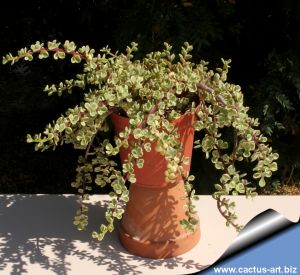
Portulacaria afra f. variegata, the Rainbow Bush, is a popular variegated form with creamy-yellow mottled leaves. It looks rather like a small jade plant with nearly horizontally branches that sprawl on the soil. Tiny pink flowers appear in summer.
-
60
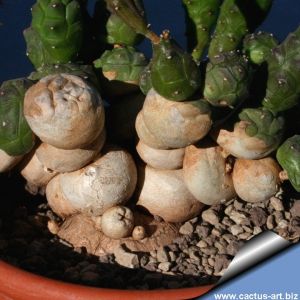
A compact and unusual succulent with a geometric, quirky appearance. From its carrot-shaped root it produces green, globular, spineless segments that branch over time, forming a small clustered group.
-
61
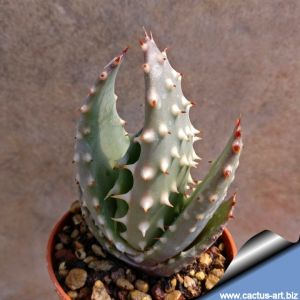
The plant features fleshy, curved, grey-blue leaves bearing white, brown-tipped teeth along the edges and lower surface. Juvenile growth is fan-like, maturing into a tight rosette over time.
-
62
-
63
-
64
-
65
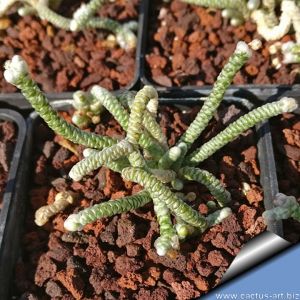
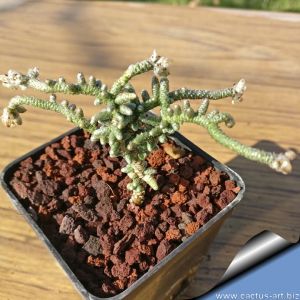
Avonia albissima (Anacampseros albissima) is a small whitish plants forming a tuft of erect stems branched low down. Its branches are thin, cylindrical, and reclining , emerging from a short taproot (caudex), clothed in silvery white overlapping scales.
-
66
Avonia ustulata v. mallei is a dwarf, branched succulent with a perennial caudex from which new worm-like twigs sprout every spring. The characteristic papery stipules, which give the plant a scaly appearance, are green-gray-white in color.
-
67
-
68
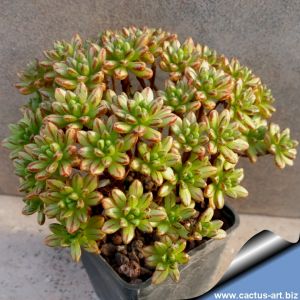
Aeonium sedifolium is a densely branched shrublets less than 40 cm. It has dense, dwarf habit and very small shinny sticky leaves marked with crimson lines at the apex. Aeonium sedifolium is the smallest-leaved Aeonium commonly in cultivation.
-
69
-
70
Club-shaped leaves on stems covered with brown bristly hairs.
-
71
-
72