-
1
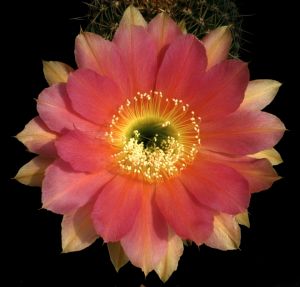
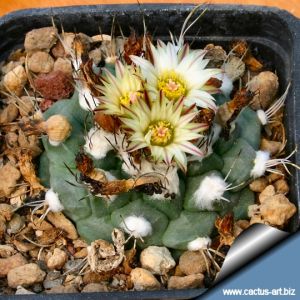
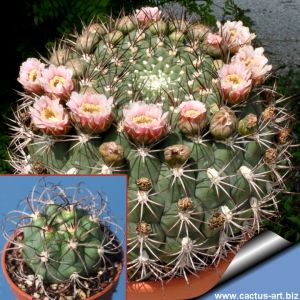
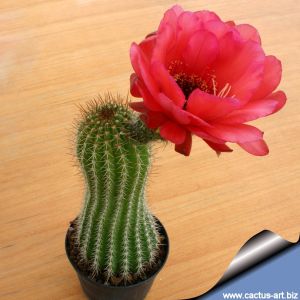
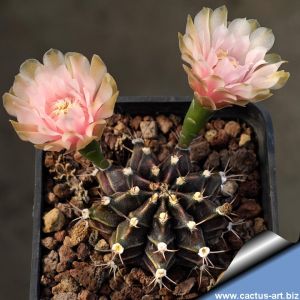
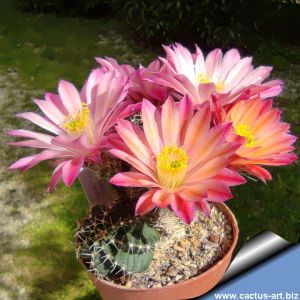
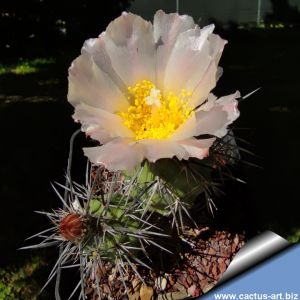
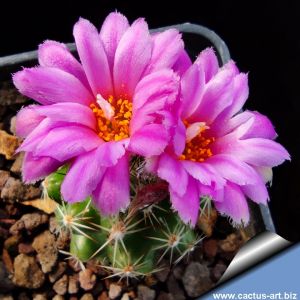
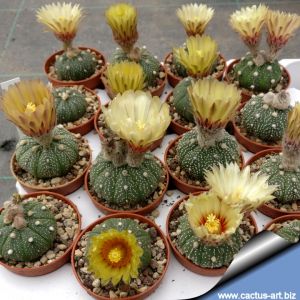
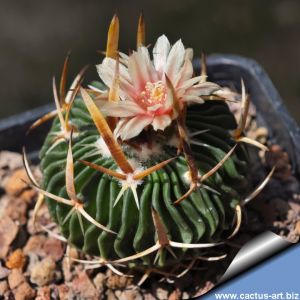
11 cm blooms with pink-red inner petals (orange/purple hints) and longer yellow outers, mimicking a solar eclipse. Golden throat and ringed stamens perfect this celestial display.
-
2
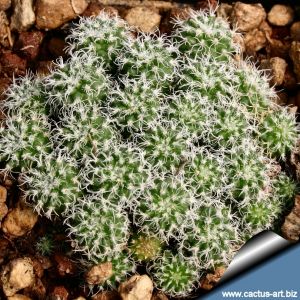
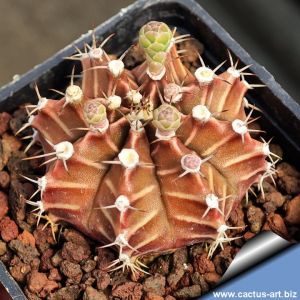
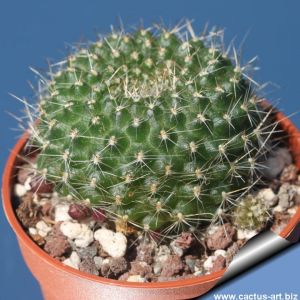
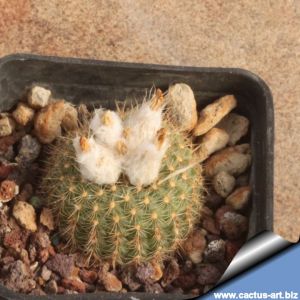
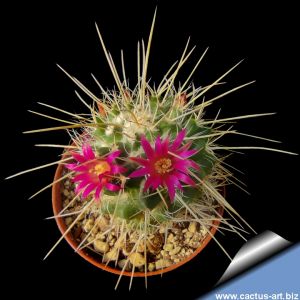
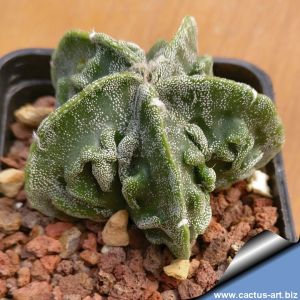
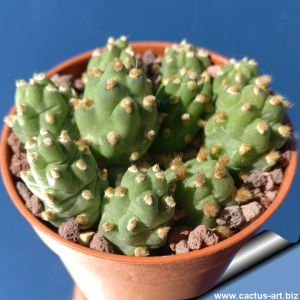
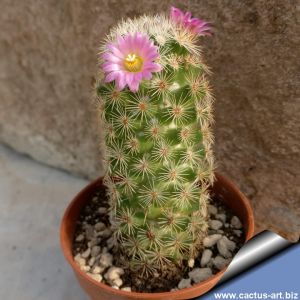
A charming monstrous form, likely derived from Gymnocalycium horripilus, featuring small heads with short, white, bristle-like spines that feel soft to the touch. It offsets slowly, forming compact little clusters.
-
3
-
4
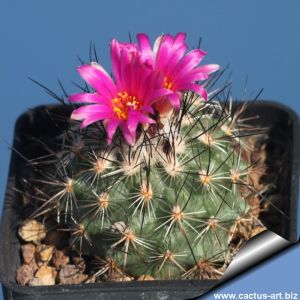
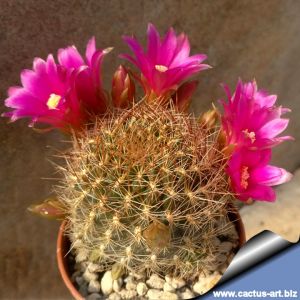
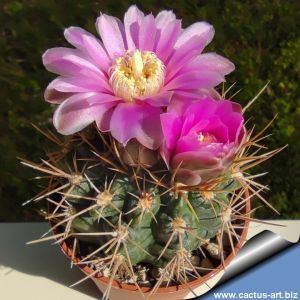
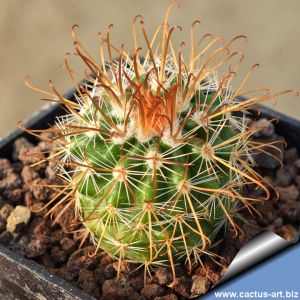
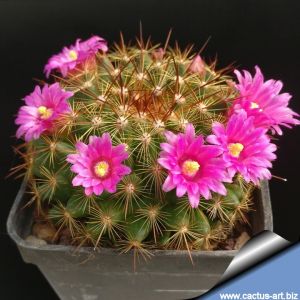
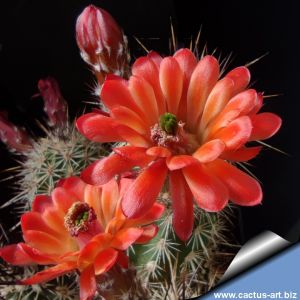
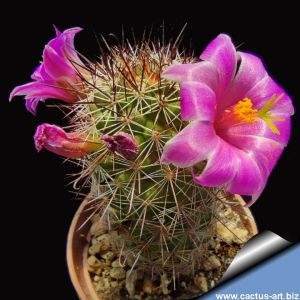
Matucana paucicostata is a ribbed globular cactus often branching basally to form small clusters. It is one of the smallest Matucana species. Flowers are very showy, purplish to carmine red, funnel shaped, slightly curved (zygomorphic).
-
5
-
6
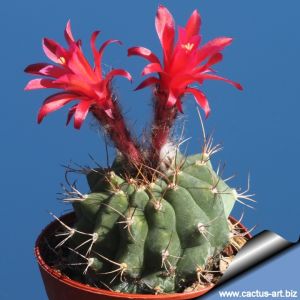
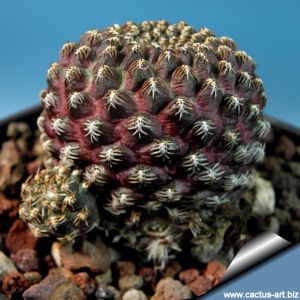
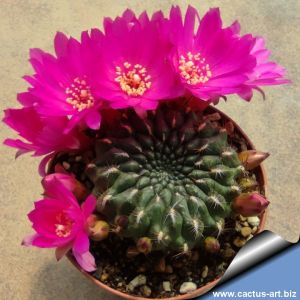
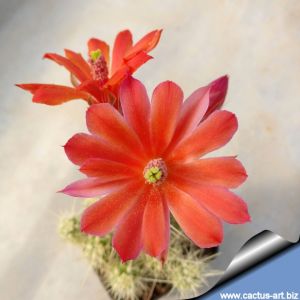
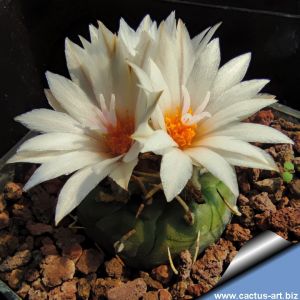
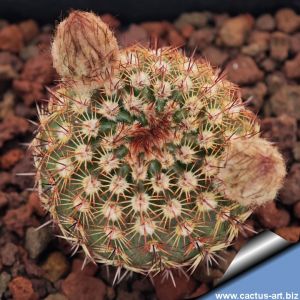
Among red-flowering Rebutias, this one stands out as a true rarity. The purple body recalls Sulcorebutia rauschii, while the tiny, comb-like spines shimmer in refined silvery-brown tones, creating a striking interplay of colour and texture.
-
7
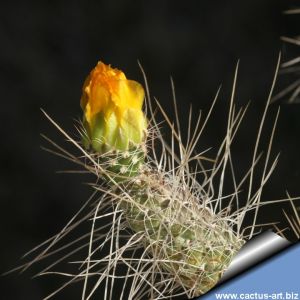
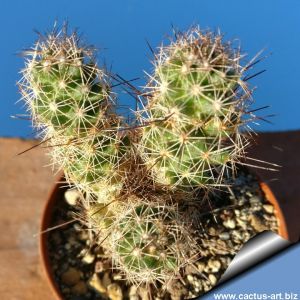
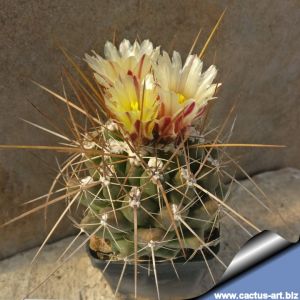
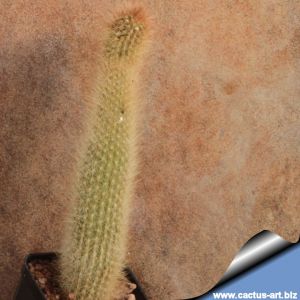
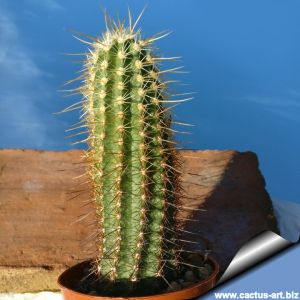
Elongated segments clad in long ivory spines - deceptively flexible yet sharply pointed. The golden flowers seem almost incongruous on this architectural wonder. So scarce that even specialty nurseries rarely list it. For xerophile connoisseurs.
-
8
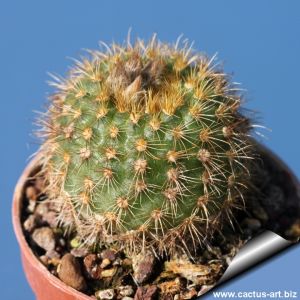
F. carminifilamentosa is a morphological form of the variable Frailea pumila,
distinguished by its carmine-colored filaments (hence the name). Bright yellow flowers emerge from the top.
-
9
-
10
-
11
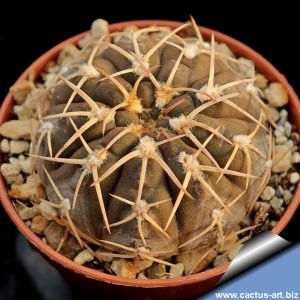
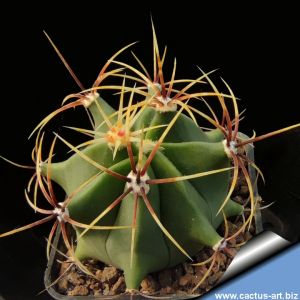
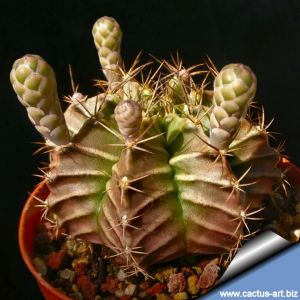
A solitary Gymnocalycium that grows to impressive dimensions. The most surprising trait? Wet spines flush bright red, producing a dramatic and temporary color display that fascinates collectors.
-
12
-
13
Sulcorebutia mairanana is a nomen nudum (undescribed name) used in Karel Kníže catalogue (field number KK1811) to indicate a plant from Mairana in Bolivia. This controversial plant probably correspond to Sulcorebutia albissima (a form of Rebutia mentosa).
-
14
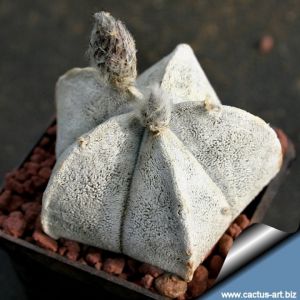
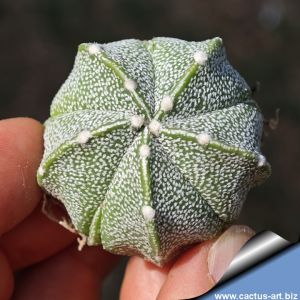
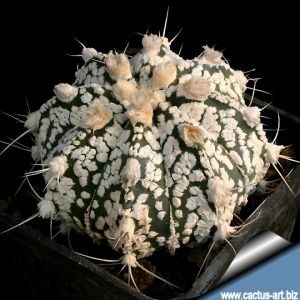
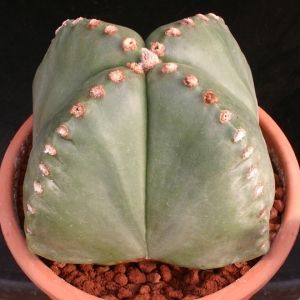
Five ribs and a striking resemblance to A. myriostigma. Different in terms of flower, fruit and seed which resemble the Astrophytum capricorne. Stems covered with tiny fluffy, wool-like flecking for a velvety appearance.
-
15
Dull green body, stout greyishbrown spines, robust red or pink flower. Winter hardy/Winterhart.
-
16
A mix of surprises! These hybrids boast sharp ribs in gray-green, sometimes with brown, purple, and light bands. Their flowers? A color palette from greenish-white to bright pink! Each plant is uniquely unpredictable.
-
17
Short grey-brown, downward facing spines. Flattened body, olive-green to brown. Limited numbers available!
-
18
-
19
Covered in bristly spines with a pinkish tint, giving it a very attractive appearance. Bears white-pink flowers that are soft and luminous, standing out beautifully against the spiny covering.
-
20
-
21
-
22
-
23
-
24
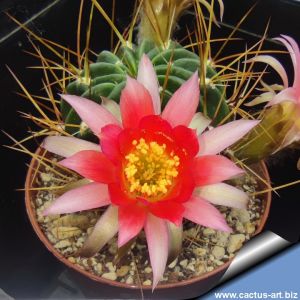
Striking red blooms featuring soft pink outer petals and a central cluster of creamy-yellow stamens. When grown in full sun, it forms a dense covering of exceptionally long yellow spines.
-
25
Also known as Lobivia grandiflora, this shortly columnar cactus bears glorious crimson flowers. Its blooming display is exceptionally colorful and highly ornamental.
-
26
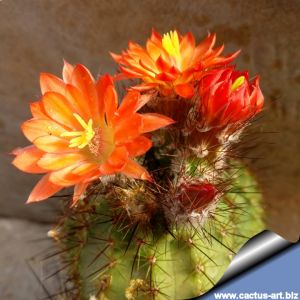
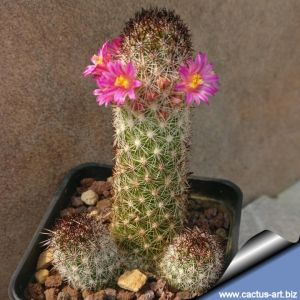
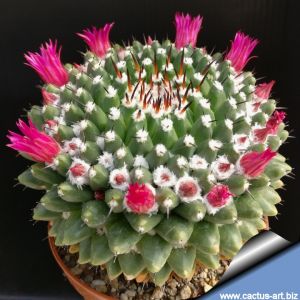
Compact and highly floriferous, bearing masses of vermilion to deep purple flowers around the base of each head for an impressive mid-season show. Features fine, bristly spines.
-
27
-
28
This plant is an example of crossbreed involving Astrophytum coahuilense x Astrophytum asterias; the resulting interspecific F1 hybrid shows intermediate characteristic from both the parents, the 5 ribs are inherited by the female parent.
-
29
F. histrix is native to Mexico where the plant grows on oak forests and submontane scrub; the plant can spread up to 2600 m of altitude.
-
30
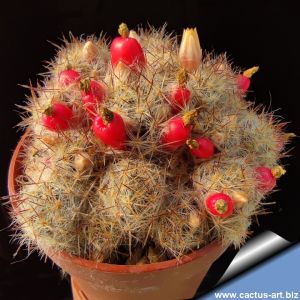
Produces a profusion of red tasty berries without any need of pollination (self-fertile). It will form soon dense mounds with dozen of small stems.
-
31
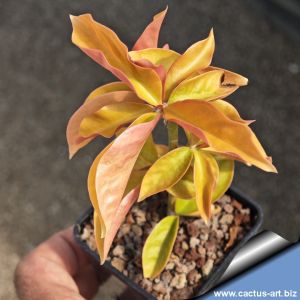
The Godseffiana cultivar (a.k.a. "Lemon Vine"/"Yellow Rose Cactus") defies typical cactus appearance. Goldish-yellow leaves with peach tones and purplish undersides highlight fragrant white rose-like flowers produced all summer long.
-
32
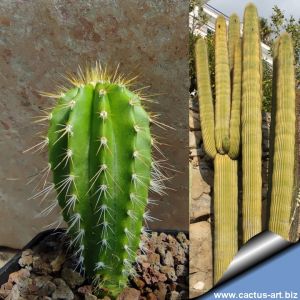
Neobuxbaumia polylopha is a columnar cactus with a thick telephone pole-like stem up to 7-12 m tall with many, narrow, closely spaced ribs ; The flower are diurnal, vivid pink, dark red or magenta near the top of the cactus.
-
33
-
34
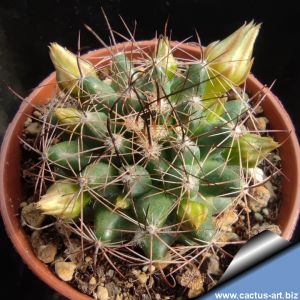
Mammillaria voburnensis is a cactus with a distinctive whitish-yellow tomentum near its apex. This species branches out to form clusters up to 30 centimeters in both height and width. The flowers are yellowi
-
35
-
36
-
37
-
38
Sulcorebutia totorensis is a dwarf globose cactus up to 7 cm tall and 6 cm in diameter, at first solitary and later branching from the base. The epidermis is dark green. The spines are brown almost black. The flowers are deep purple red.
-
39
-
40
T. klinkerianus stands out for its pyramid-shaped tubercles and short spines (just 3 per areole), which have a soft, corky texture and transverse fissures—typically reduced to one in adult plants. Its ivory-white flowers display subtle magenta veining.
-
41
Hybrids with gray-green to olive ribs (occasionally brownish or purple-tinged) and pale transverse bands. Flowers range from greenish-white to deep pink, with intermediate shades.
-
42
-
43
Showy flowers ranging from orange to pink.
-
44
Striking grey and brown banding on a matte olive-green stem. Charming yellowish-green blooms.
-
45
-
46
-
47
-
48
Mix of Parodias, featuring various species, hybrids, and seed-grown cultivars. Each plant is one-of-a-kind, with unique shapes, spination, and flower colors.
-
49
A hybrid between Astrophytum asterias ‘Superkabuto’ and A. capricorne, blending the bold white spotting of ‘Superkabuto’ with the prominently ridged ribs characteristic of A. capricorne. It also produces strikingly beautiful flowers.
-
50
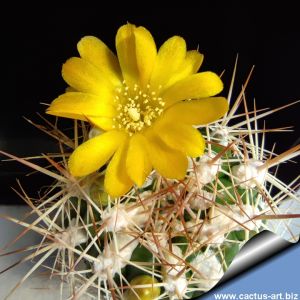
Small globular cactus with cleistogamous yellow flowers that self-pollinate without opening. The name “heliosa” (from Greek helios, sun) refers to its dense golden spines arranged radially like sun rays.
-
51
-
52
Charming trailing plants with a decumbent growth form, ideal for hanging baskets. Long stems covered in dense, fine, hairy spines ranging from beige to ochre, and adorned with a striking S-shaped reddish bloom!
-
53
Tephrocactus alexanderi is a small, segmented cactus with spherical to ovoid joints densely armed with stout, papery spines. Its segments detach easily—a natural adaptation for propagation. The plant produces strikingly large, pinkish-white flowers.
-
54
-
55
A stunning Parodia featuring thick, densely packed, hook-shaped spines in warm tones of gold, amber, or brown.
-
56
-
57
Tiny, often making clusters in age, white-grey to light brownish spines, many pink flowers! Highly recommendable species!
-
58
"Fukuryu Rampowgyoku". FUKURYU is a Japanese word that would mean presence of additional ribs. It forms small extra ribs, usually these additional ribs have not areoles and develops on the lateral side sandwiched between two contiguous true ribs.
-
59
-
60
Small-growing cactus with numerous stiff, sharp spines, varicoloured and the centrals reddish-brown. The flowers are very showy, with much white wool along the tubes, and translucent petals, salmon to carmine-red shading to egg-yolk yellow in the centre.
-
61
Azureocereus hertlingianus (Browningia hertlingiana) also known as the “Blue Cereus” is a huge columnar cactus sought after by collectors because the juvenile specimens have a beautiful blue frosty covering. It one of the few really blue cacti.
-
62
-
63
-
64
-
65
Numerous wavy ribs topped with long, sturdy central spines. Flowers feature pale, pearly petals, each marked by a central stripe and a soft pink throat, creating a delicate, luminous effect.
-
66
Cylindrical stem with long, yellowish spines; branches from the base forming small clusters. Large, vivid magenta flowers stand out strikingly against the pale spines.
-
67
Fingerlike body covered in short white spines, huge tuber. Nice pink flowers in ring near top.
-
68
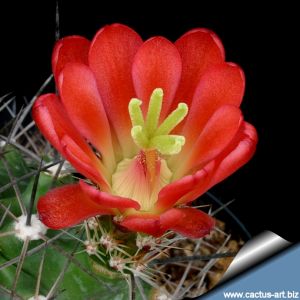
Deep orange-red (occasionally pink) flowers that form the shape of a cup and a wooly tube, clustering stems. It is a highly branching plant that forms large clumps and blooms abundantly, just as a small specimen.
-
69
This Mammillaria only grows more beautiful with age. Over time, it clusters vigorously, produces abundant white wool, and forms large mounds up to 30–90 cm in diameter.
-
70
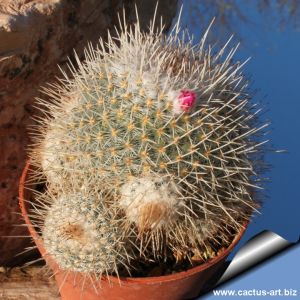
Mammillaria occidentalis also known as Mammillaria mazatlanensis var. occidentalis is a clumping species which has large pink flowers in summer. The flowers are 1 cm long and are slightly scented. These can be followed by red fruits.
-
71
-
72
Mix of Coryphantha species and cultivars - Each plant is unique, with different shapes and colors. A very interesting selection at an affordable price.