|
|
|
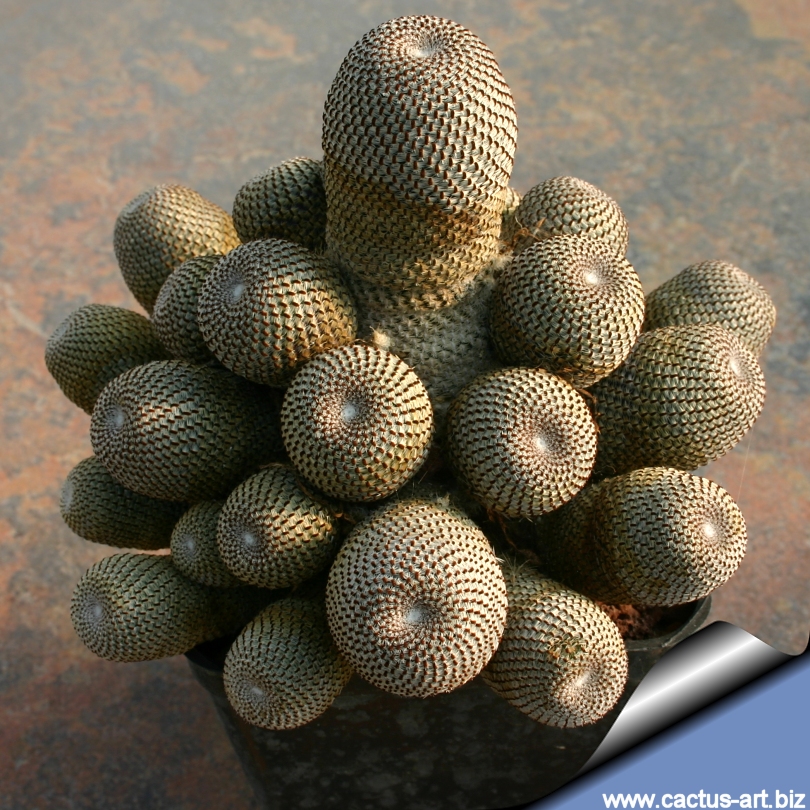
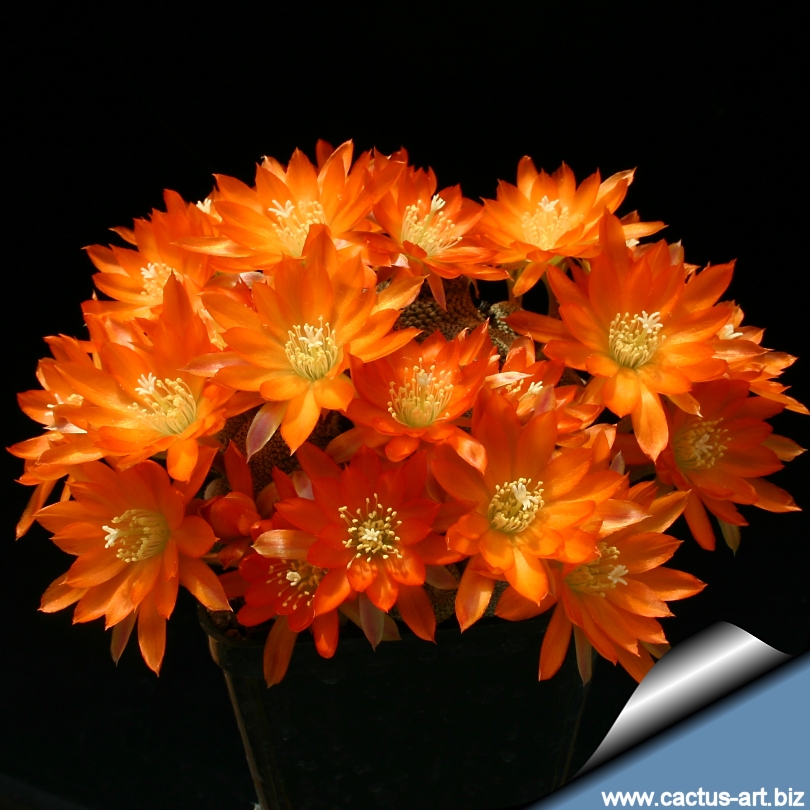
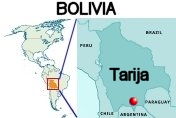
Rebutia heliosa KK844 Jucanas, Tarija, 3000
m Bolivia
|
|
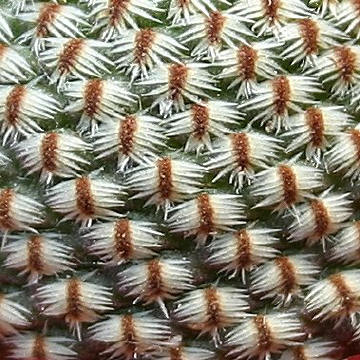
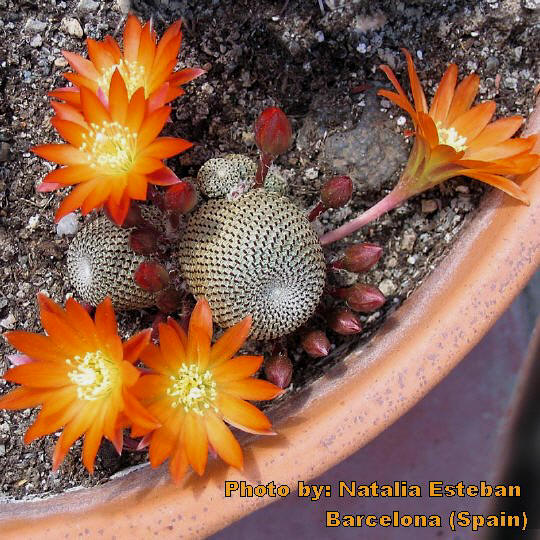
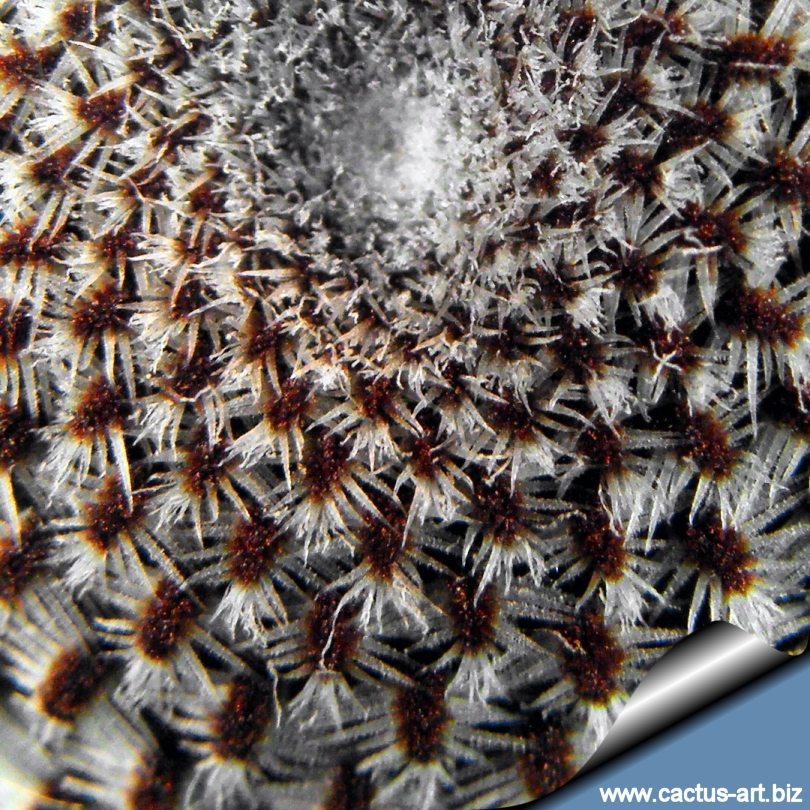
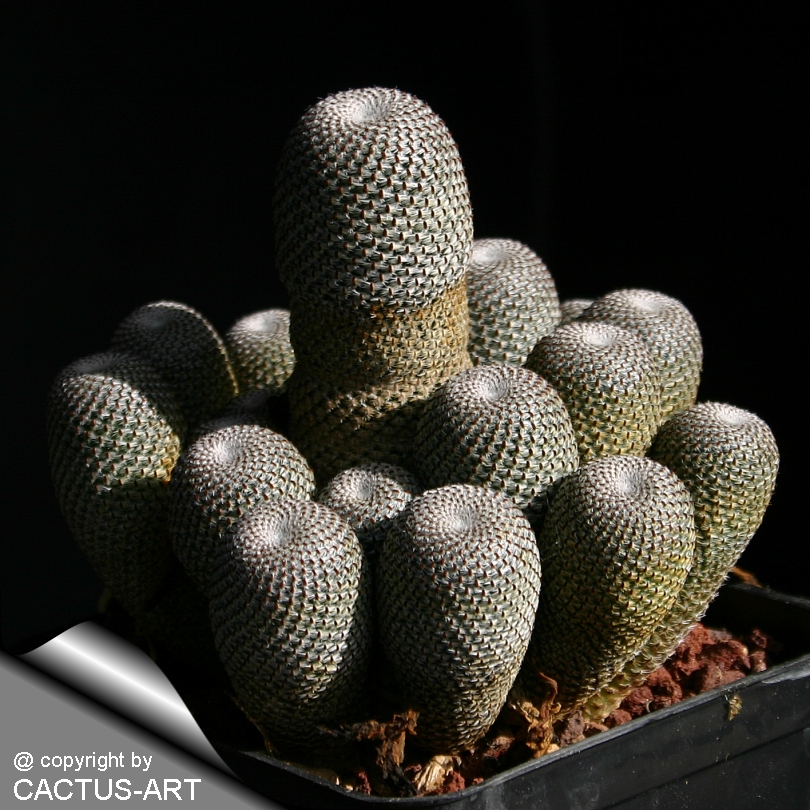
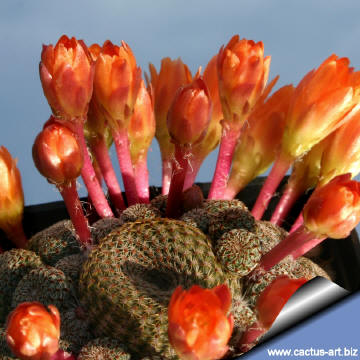
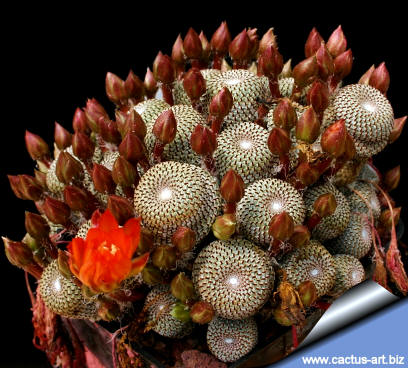
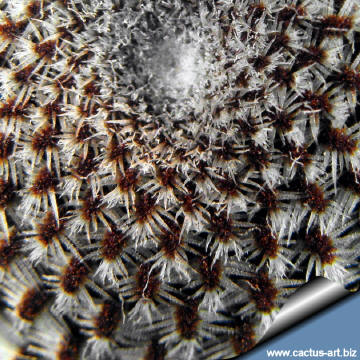
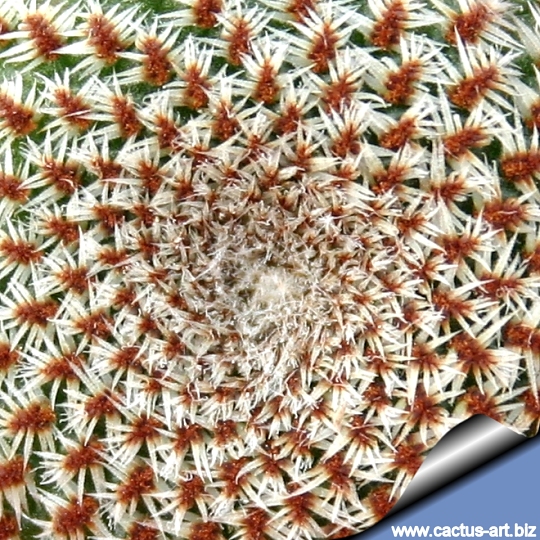
White spines & brown areoles make this plant very attractive
even when not in
bloom. |
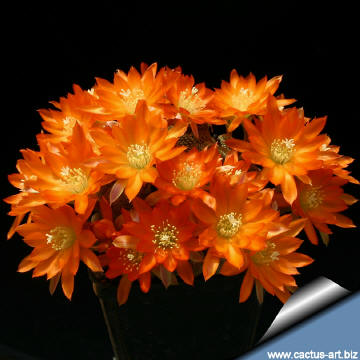
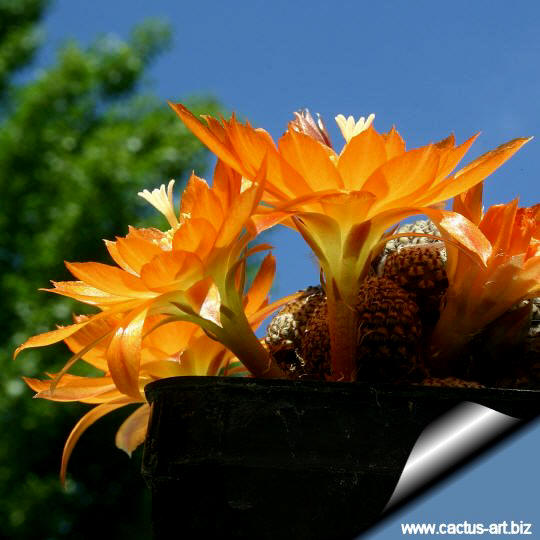
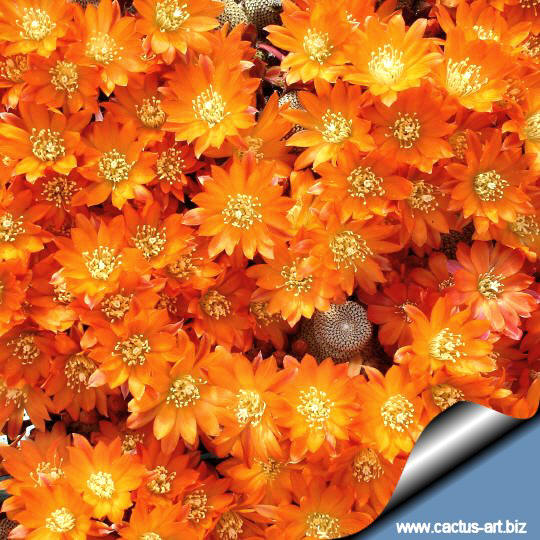
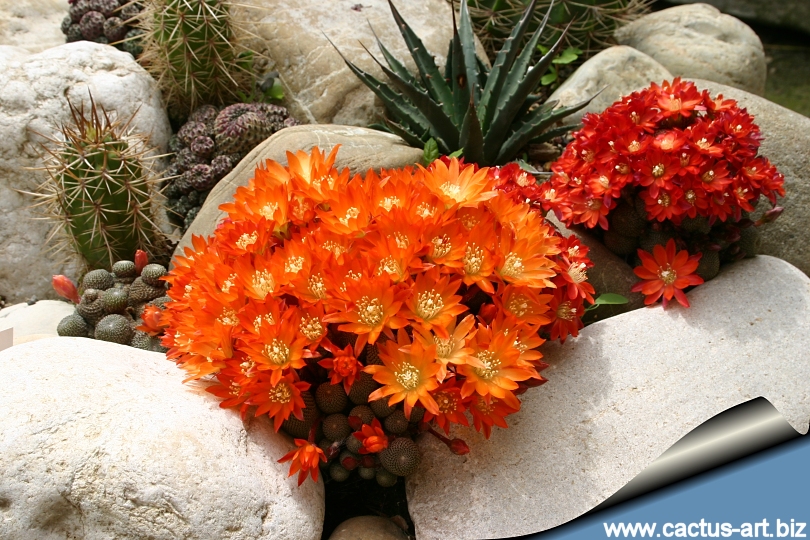
Flowers profusely with large orange-red,
funnel-shaped, long -necked
blooms in
spring. |
|
.
|
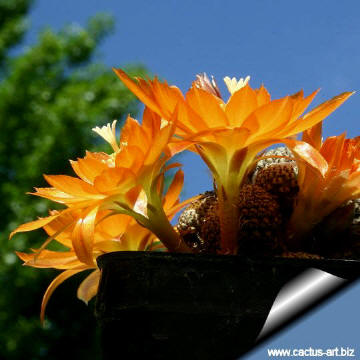
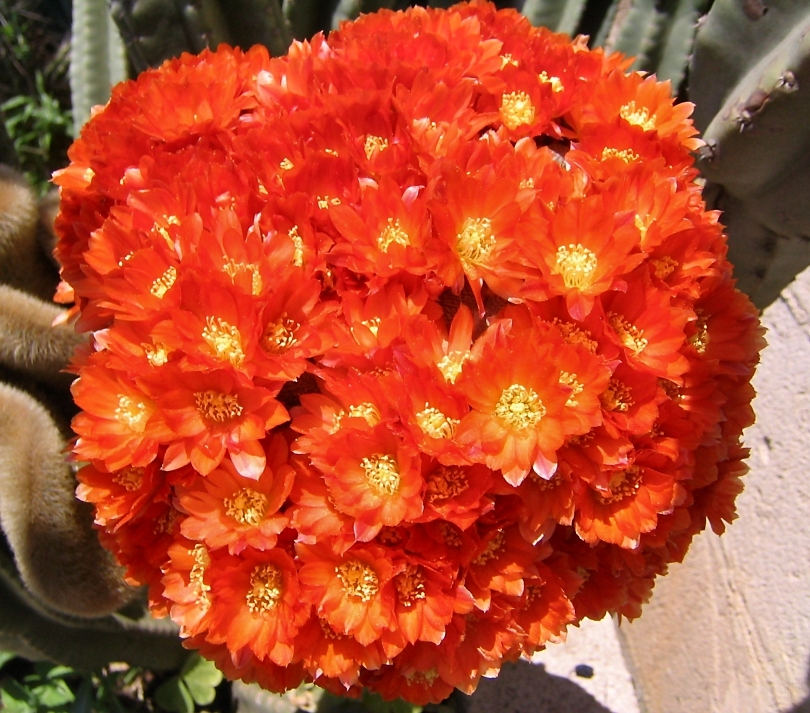
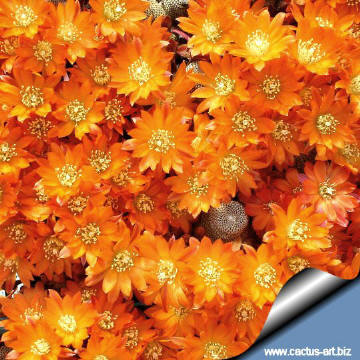
This is one of the most floriferous cactus. |
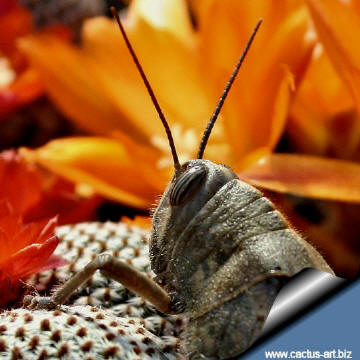
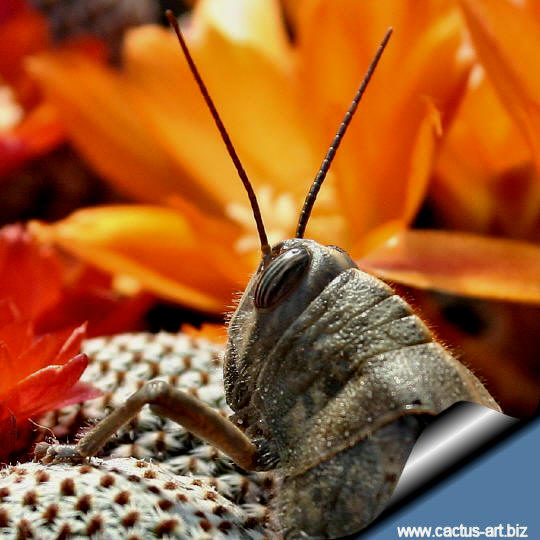
An "Egyptian Locust" looking at the
blooming R. heliosa.
|
|
.
|
 |
 |
|
. |
|
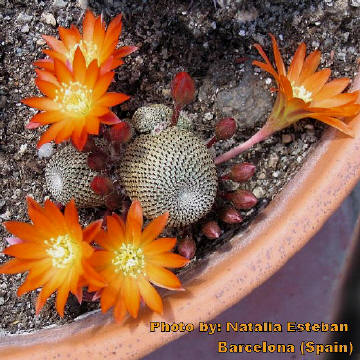
Photo and © copyright by Natalia Esteban (Spain) |
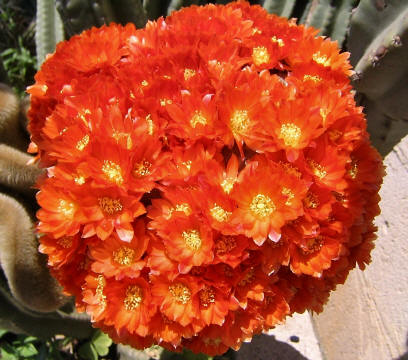
Photo and © copyright by
Massimo Giannelli (Italy) |
|
. |
|
 |
 |
|


Advertising
|
|
|
|
Family:
Cactaceae (Cactus
Family)
Scientific Name:
Rebutia
heliosa
Rausch 1970
In W.
Rausch, Kakt. & Sukkulent. 21. 30., 1970
Synonym:
Aylostera heliosa
(Rausch) W.Haage (Nom. nud.) 1977
 Distribution:
Bolivia (Near Tarija (Jucanas) on the road to Narvaez) Distribution:
Bolivia (Near Tarija (Jucanas) on the road to Narvaez)
Habitat: It grows in mountainous areas at an
altitude around 2500 m 3000 m over sea level
Conservation status: Listed in
CITES Appendix II
Etymology:
The
genus name
"Rebutia
"
is named in honour of "Pierre Rebut",
19th century French cactus dealer and expert.
The
species name "heliosa"
derives
from the Greek "helios (ηλιος)”
which means “the sun”
in allusion at the
disposal of the spines
and the Latinizing
adjective suffix for noun “-osus"
indicating plenitude or notable development.
(
The specific name implies:
"of the sun").
|
|
Description:
(Habit)
It is essentially a miniature plant
that
readily forms a
clustering
mound of tiny heads.
Stem:
Heads 2.5 cm wide, rarely higher than 3 cm or more.
Areoles :
Small,
brown and
elongated.
Spines:
Short
,silvery,
dense and
pectinate,
covering
almost completely the small stems
in a
spiral pattern.
Roots:
Fleshy
tap root
Flower:
Large,
orange-red,
funnel-shaped, long -necked, 4 cm in diameter, 5 cm long.
Phenology:
Blossoming time:
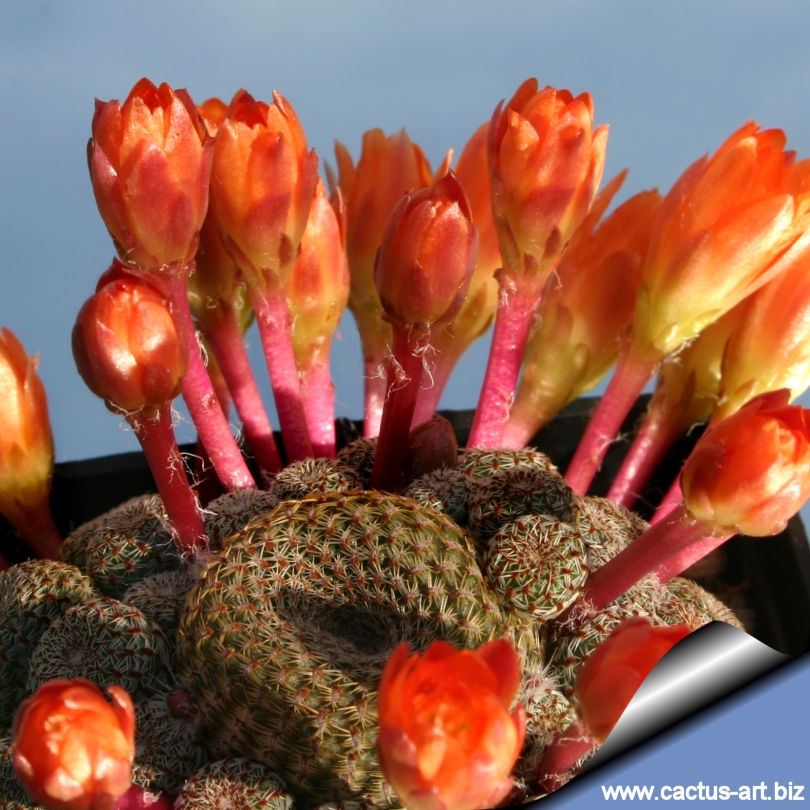
Profusely flowering in
spring.
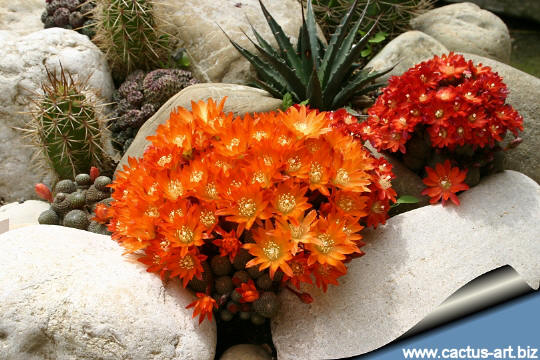
Grown outdoor in
the rock garden all year round without any protection against rain
and snow.
|
|
|
|
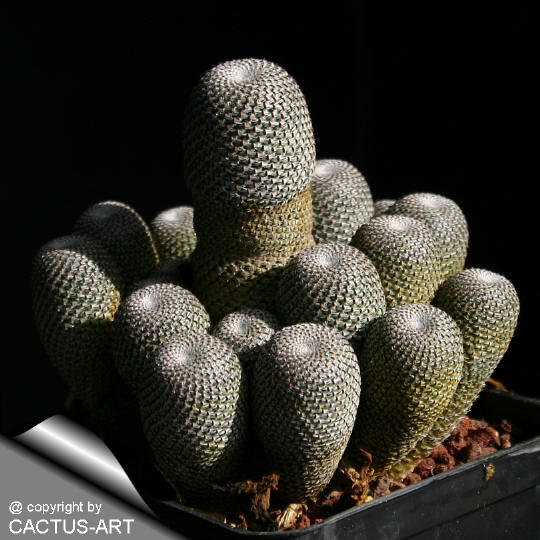
This is a very distinctive plant even without flowers. The “sunny”
Rebutia is particularly attractive, thanks to its tiny silver-white pectinate spines and brown areoles, a gem!!!
Cultivation:
These plants come from
mountainous areas, so like bright light, cool and
dry conditions in the
winter; this is important for the
flowers as well as for their
health. Without this
cool winter period (0-10° C) they normally won't get many
buds. They have
a thick
taproot and are of difficult cultivation and
rot prone because of a great
sensitivity to the
excess of watering, not easy to get to any large size on their
own roots really a challenge to grow into a large
clump. They are commonly
grafted to avoid root problems and to make easier to grow.
Sun Exposure: Suited for
sunny-brightly exposure; can tolerate
light shade.
Cultural Practices: Suited for
airy exposures. Needs deep pot and good
drainage to accommodate its
tap root.
It is very cold resistant as low as
to -10° C or less
for short periods of time. It is a fine plant for a rock
garden or container, contrasts well with agaves, yuccas, and
low-growing flowering plants.
Pests &
diseases: R.
heliosa is especially
prone to
root rot, therefore,
underpot in a smaller container filled with very
porous compost.
Propagation: Cutting as it branches freely from
the base; Also can be grown from seeds or
graft. Seeds can be sown in the spring or summer. The seedlings
should not be disturbed until they are well rooted, after which they
can be planted separately in small pots.
Photo of conspecific taxa, varieties, forms and cultivars of
Rebutia heliosa:
|
|


 Cultivation and Mail Sale