-
1
-
2
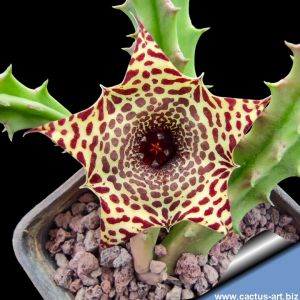
A compact-growing plant with green stems edged with small teeth. At the stem base appear lots of tiny cup-shaped flowers, yellow with brown spots or bands, giving the plant a charming and decorative look.
-
3
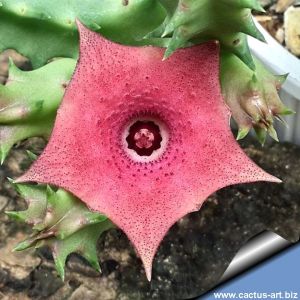
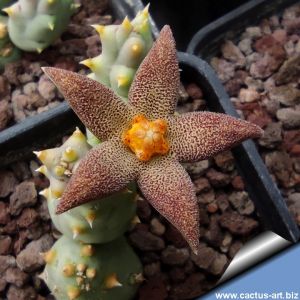
Huernia hislopii subs. robusta is similar to standard Huernia hislopii, but the stems are more robust and the flower is larger (up to 5 cm in diameter!). The corolla is white with dark red spots, basally without concentric lines. Beautiful.
-
4
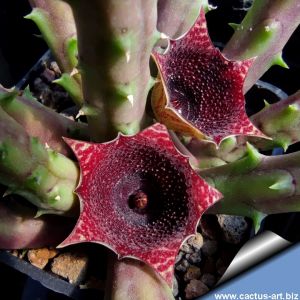
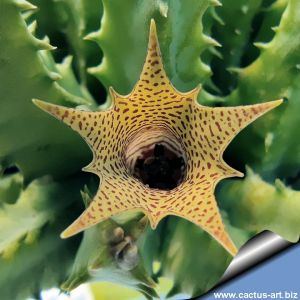
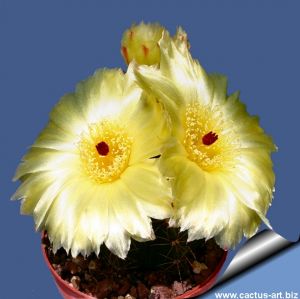
Under intense light or cold, the skin develops vivid red-purple hues. Its broad yellow blooms have a unique silky brightness that enhances the plant’s ornamental appeal.
-
5
-
6
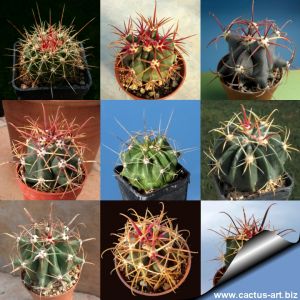
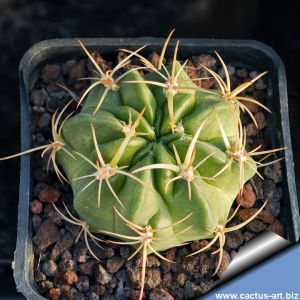
Mix of Ferocactus, featuring various species, hybrids, and seed-grown cultivars. Each plant is one-of-a-kind, with unique shapes, spination, and flower colors.
-
7
-
8
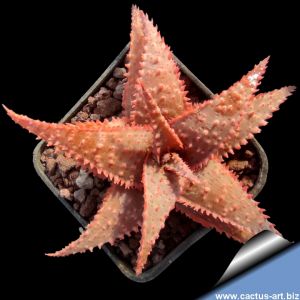
This remarkable nursery-bred hybrid, originating from Aloe ‘Doran Black’, features rich green to dark blue-purple leaves edged with brilliant red teeth and margins. The striking holiday-like contrast gives rise to its name “Christmas Carol”.
-
9
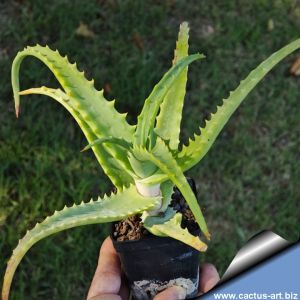
Aloe arborescens is a sprawling, multi-headed succulent that can grow to tree-like proportions, as suggested by its name. Each rosette can produce racemes of cylindrical flowers in a striking red-orange hue.
-
10
Numerous flowers of extraordinary beauty open simultaneously or at intervals from late summer to autumn. The corolla is ivory-coloured with fine reddish dots or bands, papillose, and features a vivid orange central corona.
-
11
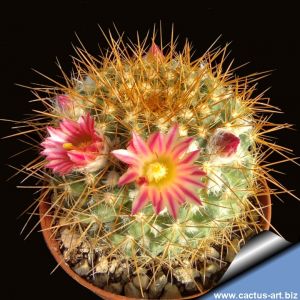
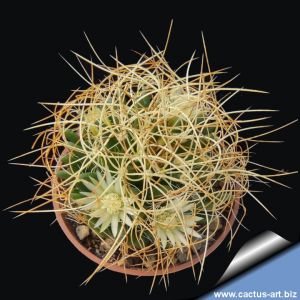
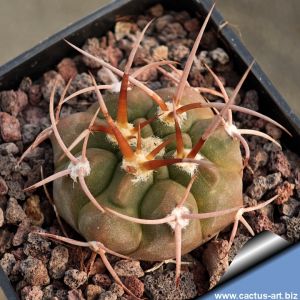
Areoles with dense white wool, axils with very dense white wool and numerous long white bristles. Spines heavy orange-yellow to reddish. Seldom seen in cultivation. Very nice.
-
12
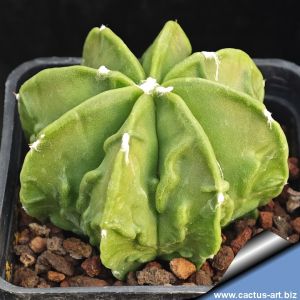
(HEKIRAN FUKURYU Type B + RURI KABUTO) Distinguished by unique supplemental rib structures and naked body without dots.
"multicostatum" = 6-7 (or more) ribs.
-
13
Long twisted cream colored spines form an intricate nest-like pattern on top.
-
14
Flat green body crowned with shiny violet flowers. Thriving in the harsh conditions of the Andes mountains, it remarkably withstands freezing temperatures.
-
15
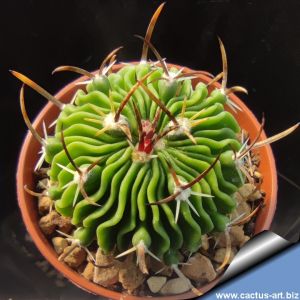
Echinofossulocactus dichroacanthus typically has 3 strong flattened central spines and 4-6 glassy-white radial spines.
-
16
Pale stone grey.
-
17
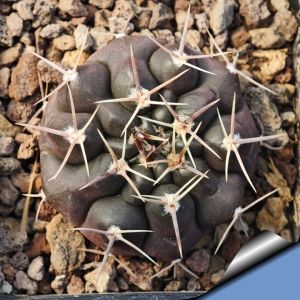
Flattened brown body adorned with short, stout spines. The pristine white flowers create a striking visual contrast against the dark-toned plant body.
-
18
A charming hybrid featuring large areoles bearing short spines, and blooms in a diverse array of vibrant colors.
-
19
Very nice new species with pink fl on spiny plants. Huge taproot.
-
20
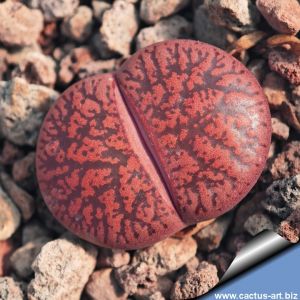
Wine red top, with dark markings, super plants and rare!
-
21
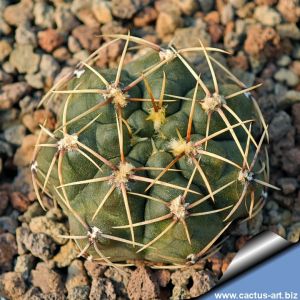
Gymnocalycium taningaense features a small body that barely emerges from the ground, solitary but often branching at the base in cultivation. It is distinct from G. calochlorum due to its yellow flower throat (red in calochlorum) and narrower flower tube.
-
22
Tuberculate ribs bearing stout, long terete spines. Matures into an impressive specimen over time, developing a commanding presence that becomes the centerpiece of any collection.
-
23
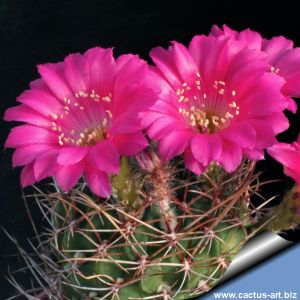
Growing to large clusters, robust mostly magenta flowers. This might be Cardenas original Lobivia larae. Certainly belongs to Lobivia pentlandii with its rather short flower and big fleshy fruits.
-
24
Light green segments, with almost bare areoles or with a few thin spines. Some branches irregularly crested. It is a robust plant, easy to grow that forms large tufts in a short time.