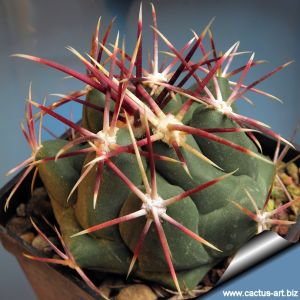
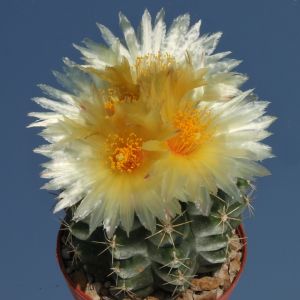
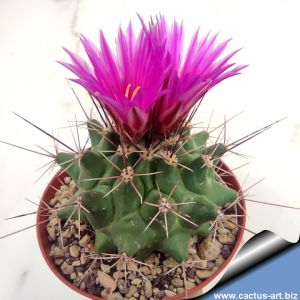
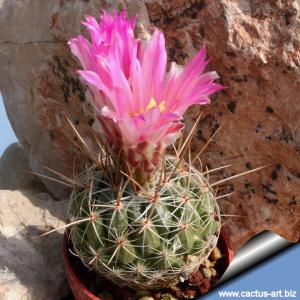
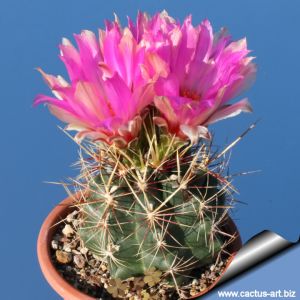
This is one of most beautiful Thelocactus heavily armed with amber to red spines. But, unfortunately, this plant is supplied only, rarely, sometimes by the name T. pottsii. Big magenta flowers with a reddish throat in spring.
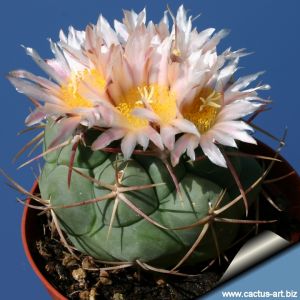
Flattened greyish-green or bluish stems with very characteristic wide, polygonal-rounded tubercles (hexagonal or pentagonal at the base). Flowers silvery-white or pinkish.
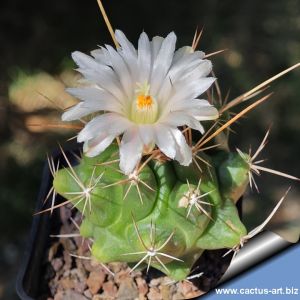
A stunning Thelocactus cultivar distinguished by large white flowers—unusual within the genus. Delicate and refined in appearance, it is highly sought after by collectors for its rare coloration and elegant blooms.
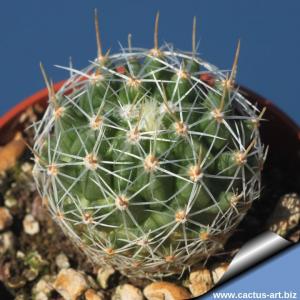
Thelocactus tulensis is a globular and strongly tubercled cactus with larger white to pink flowers. The spines are straw coloured up to 7 cm long, evenly distributed on the stem, straight to twisted and flattened.
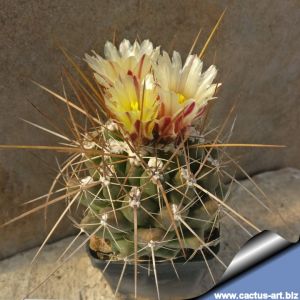
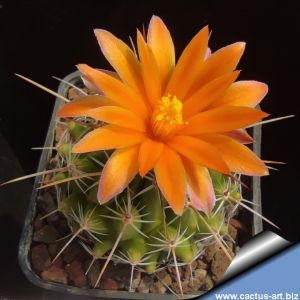
Globular cactus with prominent tubercles and showy yellow blooms. Its straight vertical central spines (2-7 cm long) range from golden to reddish-brown when young, fading to grey. The vibrant flowers offset the spination beautifully.
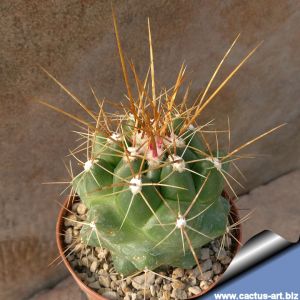
Thelocactus rinconensis is one of the most decorative cacti of the deserts of Mexico and extremely variable in its spines. The remarkable characteristics of this cultivar are the glaucous body and long dark-brown central spines.
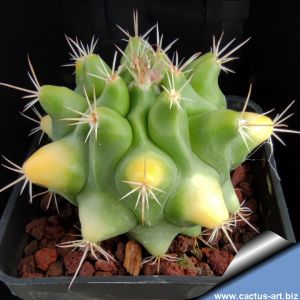
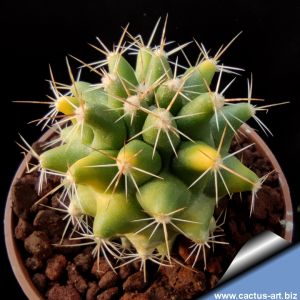
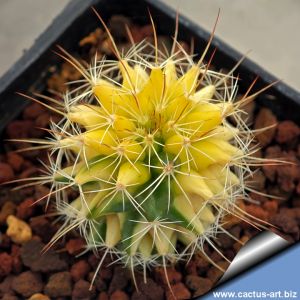
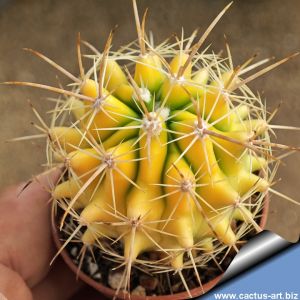
Mix of different Thelocactus species and hybrids with variegated bodies, grown from seed and carefully separated from normally green seedlings. Variegation appears as sectors, patches, or stripes with two or more colors. Each plant is unique.
An explosion of color! Sturdy, distinctly bicolored spines (white and red) arranged symmetrically. Large flowers in silky pink with intense red throat, extremely showy.
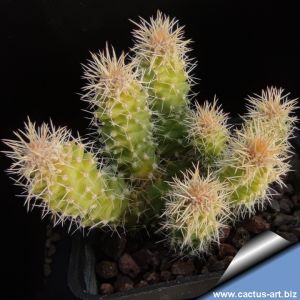
Plants grown from seed and entirely on their own roots, never grafted, selected for pronounced yellow stem variegation. They produce purplish flowers, confirming the species’ typical tendency toward early blooming, even at a young stage.
Stunning variegated specimens displaying vivid bright yellow and pale green hues. Carefully chosen from many green seedlings due to their rare color mutation. Once-in-a-while opportunity, as similar plants may not be available anytime soon.