-
1
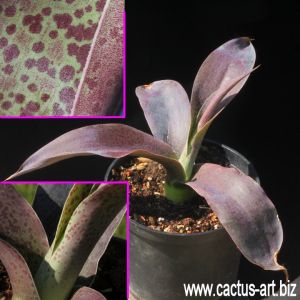
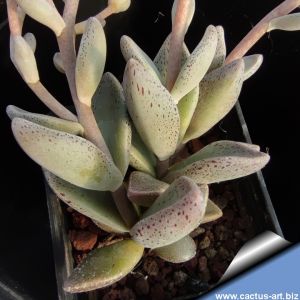
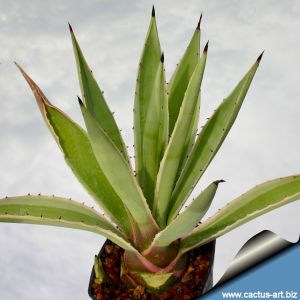
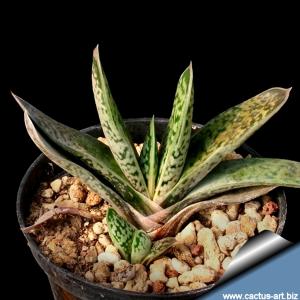
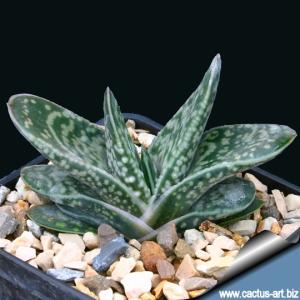
Intergeneric hybrid between Manfreda variegata and Agave celsii. The leaves are rubbery, 30-45 cm long, glaucous-grey-green to lavender, covered iron-purple to coffee-colored spots. The colours is most prominent when plants are grown exposed to the sun.
-
2
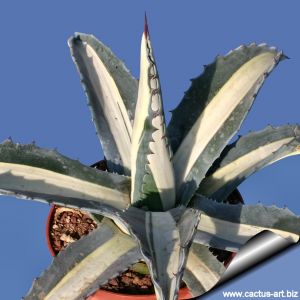
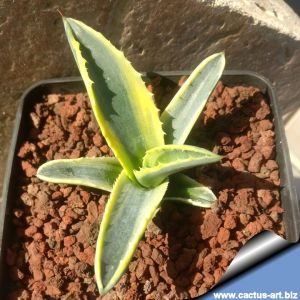
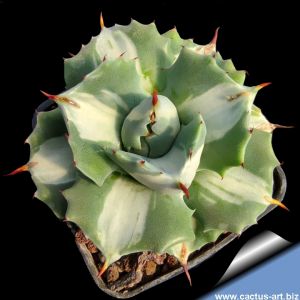
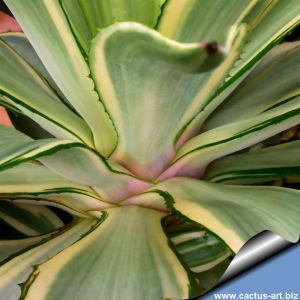
Agave americana 'Mediopicta Alba' is one of the prettiest and most sought after variegated succulents in existence. It is a living sculpture with very dramatic creamy white bands down the centre of the blue leaves.
-
3
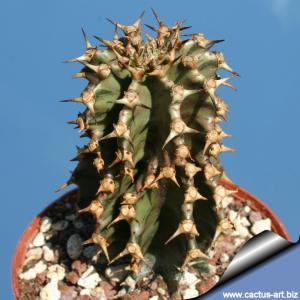
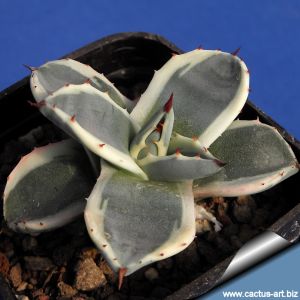
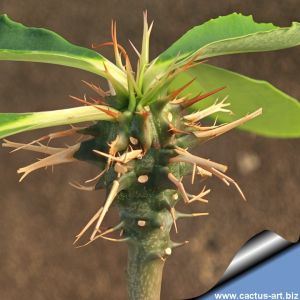
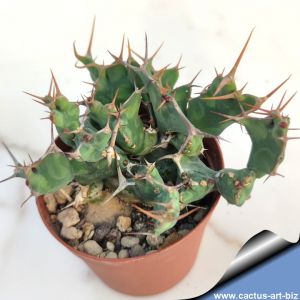
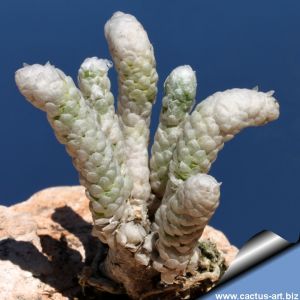
This is a very showy candlestick tree-like plant which grows arms over time. Stems edges are ridged with short, pairs of closely packed (almost touching) triangular, corky, spines up to 7 mm wide and 10 mm long .
-
4
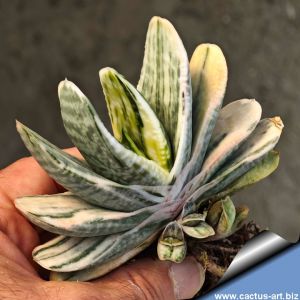
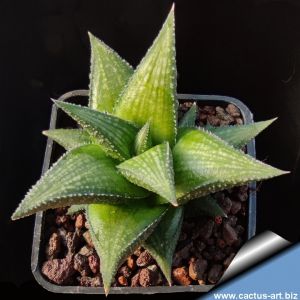
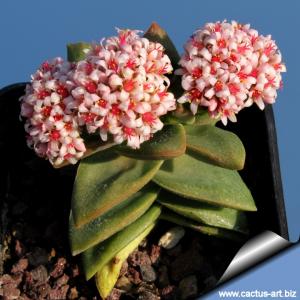
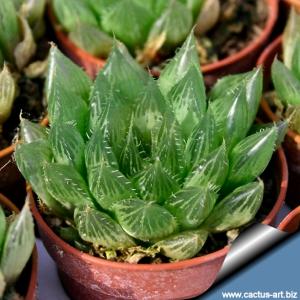
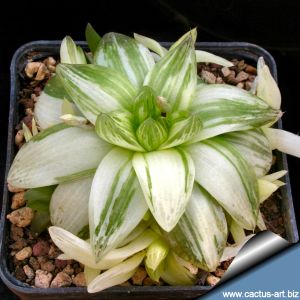
Japanese hybrid whose name "Fuji Yuki" means “Fuji Snow”. Valued for its dark green leaves striped in yellow-cream and dotted with white. Turns pink in strong sunlight. Like snow on Mount Fuji, it’s a breathtaking botanical wonder.
-
5
-
6
-
7
-
8
-
9
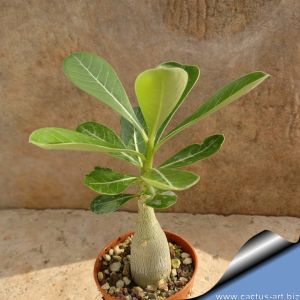
Adenium obesum is a stunning deciduous caudiciform up to 1.5 m tall. Its swollen base bears slender, sparsely branched stems. Dark green, oval, leathery leaves. In spring, large pink flowers with white
centers bloom at stem tips.
-
10
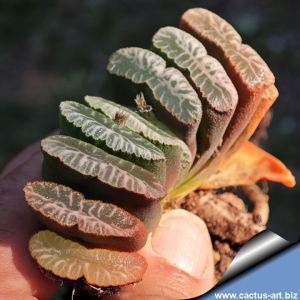
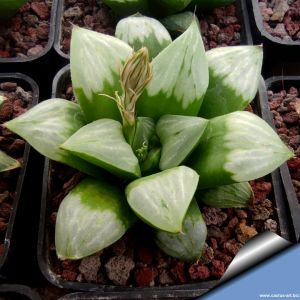
A legendary clone – Its bronze-green truncated leaves, graced with cream veining like fine china, remain the gold standard among collectors. A living heirloom that never fades!
-
11
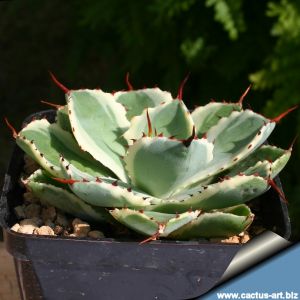
Japanese cultivar that forms a compact, symmetrical, stemless rosette. It has short, blue-gray succulent leaves with creamy variegated margins. The spines along the edges and at the tips are striking reddish-brown, creating strong visual contrast.
-
12
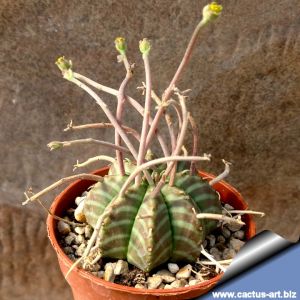
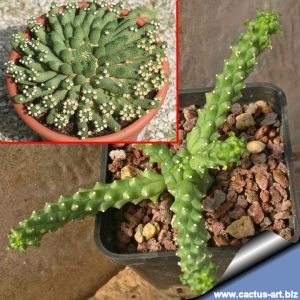
A unique succulent from Madagascar’s coastal forests. It features bright green, angular stems with spiraling white thorns and produces vibrant red cyathia. Slow-growing, it develops textured patterns as old leaves shed.
-
13
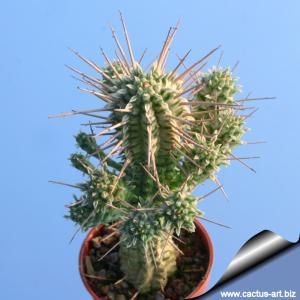
Long spines. Very nice.
-
14
-
15
-
16
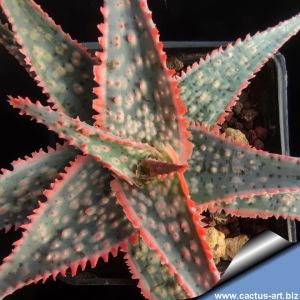
Highly desirable aloe cultivar featuring emerald-green leaves adorned with cream and pink warts. The marginal teeth are vividly deep pink, enhancing its ornamental appeal.
-
17
-
18
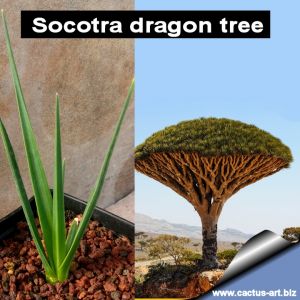
Dracaena cinnabari is native to the Socotra archipelago, in the Arabian Sea. It is so called due to the red sap that the trees produce. The dragon blood tree has a densely packed crown having the shape of an upturned and uprightly held umbrela.
-
19
E. cylindrifolia ssp. tuberifera is a caudiciform that forms a rounded tuber that can grow to fist-size or larger. This is a SEEDLING not a CUTTING, plants propagated from cuttings, only form fibrous roots and never form the typical caudex.
-
20
Euphorbia inermis is a medusaeform euphorbia up to about 50 cm in diameter with branches radiating like fingers from a central stem, continued below ground as a large fleshy tuber. A properly grown plant is a joy, especially when it is in flower.
-
21
Euphorbia grandicornis f. mostruosa is a small segmented form that grows into mounds of tiny stems or joints. Segmented growth is quite unusual among euphorbias. This form is seldom seen in cultivation.
-
22
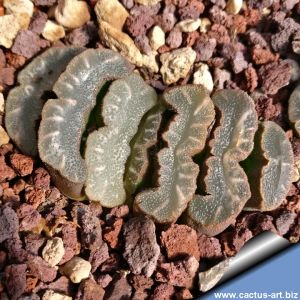
Dark green truncate leaves with slightly dimpled texture, adorned by intricate ivory veining resembling lace embroidery. The harmonious interplay of opacity and transparency makes this a botanical jewel like no other!
-
23
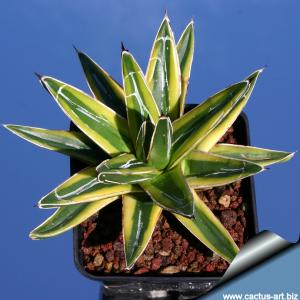
Agave isthmensis 'Ohi Raijin Fukurin Nishiki' is a white-central variegated form of the dwarf butterfly agave. Because of its small size this Agave is perfect as a container plant.
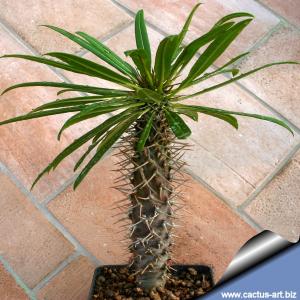
-
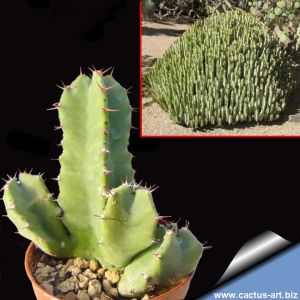
24
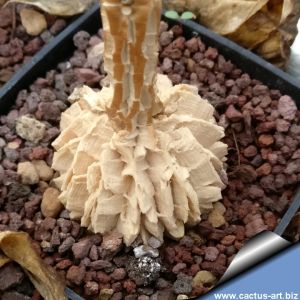
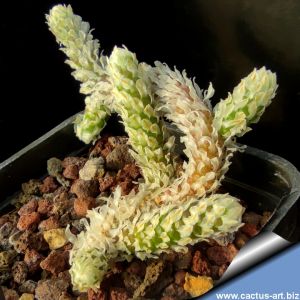
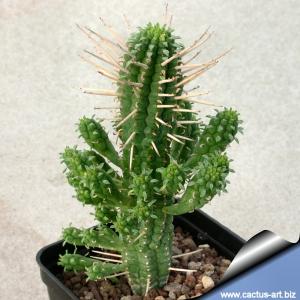
White-shingled stems to 8 cm long arise from a tuberous rootstock (caudex). The leaf covering stipules are silvery-white, overlapping with tips turned outwards. They give the plant an untidy, characteristic papery appearance. Flowers are white, scented.
-
25
Japanese treasure, each leaf's alabaster tip filters light like shoji paper, while the dark green base anchors its celestial glow. The name "Midnight Sun" perfectly captures its ethereal duality. A living yin-yang contrast!
-
26
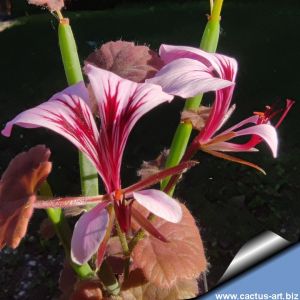
The name derives from the particular quadrangular shape of its fleshy stems. It is a succulent species with an upright then decumbent, slightly messy habit. The flowers are very light pink with the two upper petals very large and veined with red.
-
27
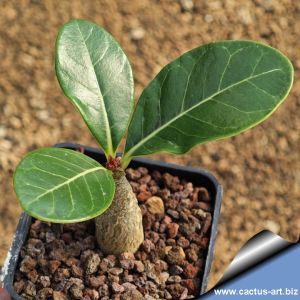
A remarkable caudiciform wonder resembling a miniature baobab, endemic to the Dhofar coast of Oman and the mountains of Yemen at around 960 m. Its large, glossy leaves drop in autumn; pink flowers appear in early summer, before leaf flush.
-
28
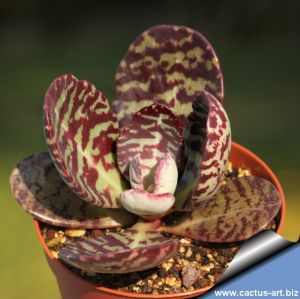
Kalanchoë humilis cv. DESERT SURPRISE is popular cultivar with pale green leaves, marked with purple strips and spots. It is also known as "PARTRIDGE", "PERDIX", "PERDIZ", or "PERNICE" for the similarity of the leaves with the feathers of a partridge.
-
29
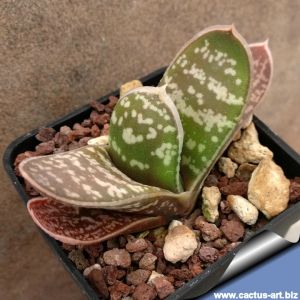
Gasteria croucherii is a succulent with rosette leaves (fan-shaped when young) 20-36 cm long and 3-10 cm wide, with triangular section (flat when young), dark green with light green bands and spots. South Africa (Eastern Cape and KwaZulu-Natal).
-
30
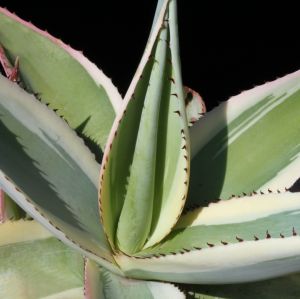
This cultivar features broad, succulent leaves with a distinctive two-tone pattern: steel-blue centers sharply delineated by creamy-white borders. Marginal serrations are minimal, and leaves form a dense, symmetrical rosette.
-
31
The plant is extremely fragile and sheds its leaves at the slightest contact.
-
32
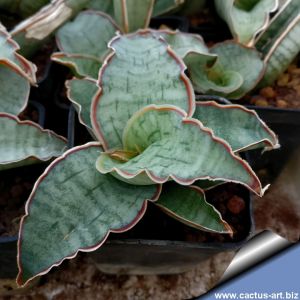
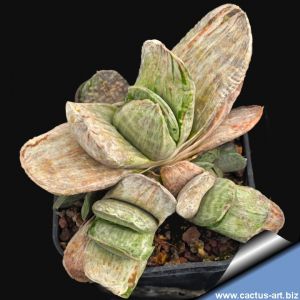
Fat, tongue-shaped leaves, marbled in grey, cream, pink, aquamarine, dull green and light brown. Very nice.
-
33
Tylecodon paniculatu (Butter Tree), is famous for its fat, gnarled trunk that can be cut with a dinner knife. The peeling baobab-like stems up to 1.5 metres make them the largest of the tylecodons. Flower varies from greenish orange through bright red.
-
34
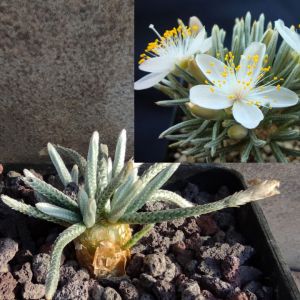
Avonia quinaria ssp. Alstoni is one of more facinating succulent with a turnip-shaped, crowned rootstock or caudex from which many white worm like stems develop. Flowers are white up to 3 cm in diameter (the most stunning flowers among the Avonia)
-
35
-
36
A rare form with bluish leaves, from Hidalgo, Mexico. Long nice teeth.
-
37
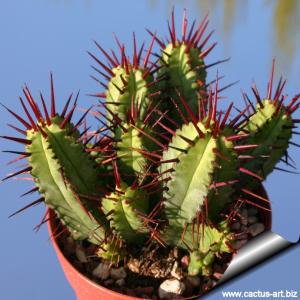
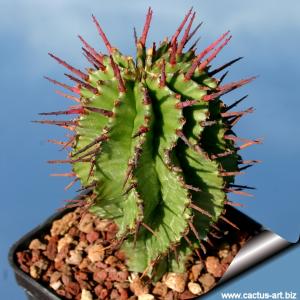
Beautifu plant with lovely red spines. it is very popular and easy to grow. It can form soon a large bunch. It isn't an actual cactus, but it looks a lot like one.
-
38
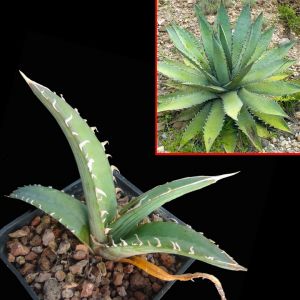
Agave angustifolia Caribbean Agave, is a small beautiful Agave with stiff short, sword shape leaves with cream colored margins.
-
39
The “Joe Hoak” is one of the prettiest and priced Agave and is much nicer than the photo can show. Very desirable because of the beautifully variegated foliage in soft yellows, cream and green.
Large plants are extremely ornamental.
-
40
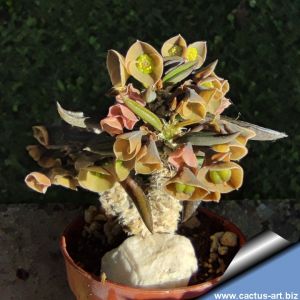
It is a very odd plant covered with white papery scales that reflect the sun rays. RARE!
-
41
-
42
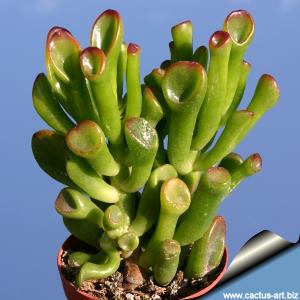
The Crassula cv. Gollum, also known as Trumpet Jade, is a small shrubby succulent featuring tubular leaves with reddish margins. It is an interesting plant with trunks that becomes thick with age. Great for container culture and Bonsai cultivation.
-
43
Produces pairs of attractive and interesting sickle shaped grey-green leaves, but a show stopper when the bright red flowers emerge. The flower smells like sweet cinnamon and usually lasts 6-8 weeks. Sometimes they bloom twice a year.
-
44
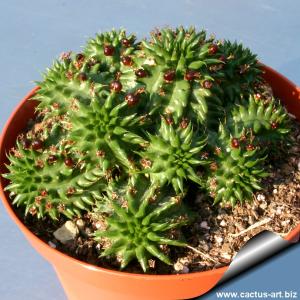
A delightful plant with green stems and red spines resembling a cactus. This plant will reward the grower with innumerable velvety red blooms in summer.
-
45
-
46
Beautiful variegated succulent with subtle-cream to frosty greenish-white coloured stems splashed with emerald green. In cold temperatures, stems become blushed with delicate rose.
-
47
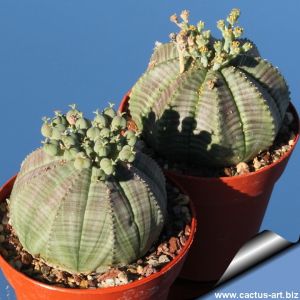
Euphorbia obesa is a peculiar ball shaped succulent plant that
resembles a stone but becomes taller with age.
-
48
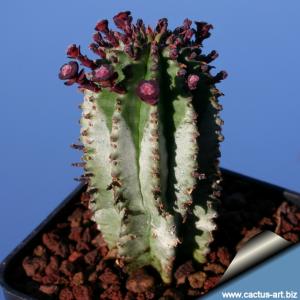
Very nice and distictive grey stemmed form. Deep maroon-purple flowers on the plant apex in late winter - early spring.
-
49
This is a great little plant and one of the most beautiful and most characteristic species of the genus Euphorbia.
-
50
Gasteria bicolour is typically distinguished, with age, by its short stem, which separates it from other acaulescent species. The stems can get tall as leaves keep stacking on themselves.
-
51
-
52
-
53
This variegated form features fleshy, soft-textured leaves in pale green with creamy variegation. Thrives in filtered light; too much shade leads to stretching. Proper lighting keeps the rosette tight and preserves the delicate color pattern.
-
54
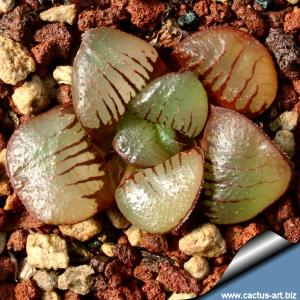
Haworthia comptoniana (Haworthia emelyae v. comptoniana) is a distinct variety most sought after for the flattened, entirely smooth leaf-ends, and is particularly attractive. The leaf tissues are translucent or even transparent.
-
55
Standard form from Spingbokvlatke in Little Karro region, South-Africa. Lovely fenestrate and translucent leaves. Beautiful.
-
56
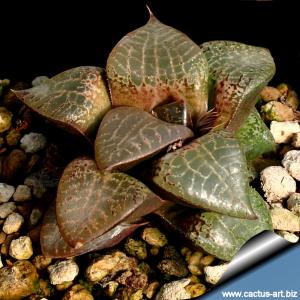
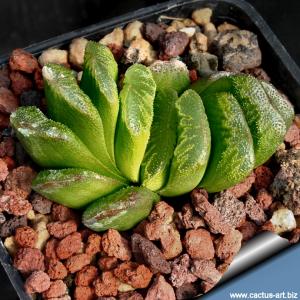
This nice creature has thick, truncated leaves that fan open like the pages in a book. The squat leaves are lime and chartreuse, making the plant a major conversation piece. The tips of the leaves are like windows looking into the green jelly inside.
-
57
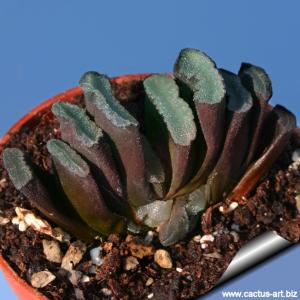
This desirable species, despite the fact that actually is common in cultivation, still inspires trepidation and admiration by way of its unusual truncate leaf tips. It is a superb succulent, unique, distinctive and very different for any collection.
-
58
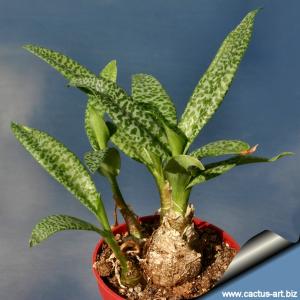
Known as "Leopard Lily," this bulbous plant is prized for its unique and extraordinary spotted foliage. It is an easy but visually striking must-have houseplant.
-
59
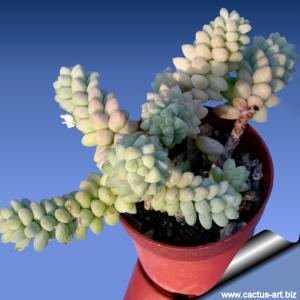
The Burrito (a.k.a. Burro's Tail) is a trailing succulent plant, native to Mexico. The plant creates long hanging stems several decimetres long. It has extremely fragile blue-green fat leaves that peel off at the slightest touch.
-
60
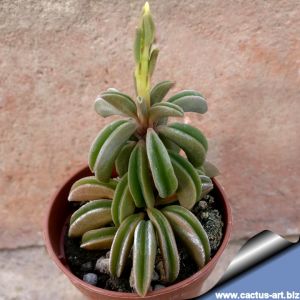
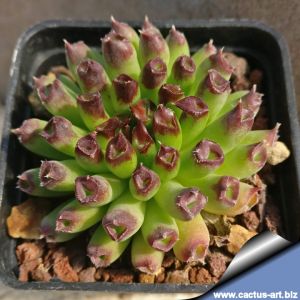
This is a strange succulent with green, tubular leaves tipped in burgundy. The leaves of Sempervivum 'Oddity' are folded lengthwise and backwards so that they look like green cigarette papers. Also very reminiscent of Crassula ovata cv. 'Gollum'.
-
61
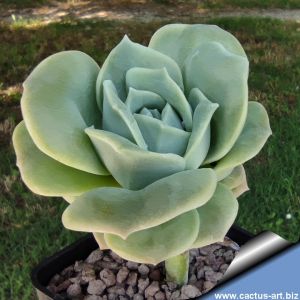
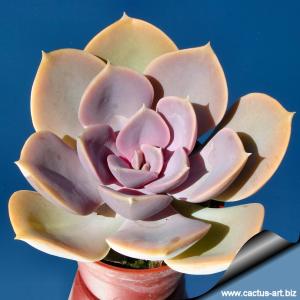
Echeveria 'Perle von Nurnberg' is one of the most beautiful and striking of Echeverias with thick succulent leaves in rosette formation a with beautiful glowing mauve tinge.
-
62
This is a very ornamental and quite rare agave whose dark green leaves
are edged with broad yellow strips. It rarely has suckers. It is considered to be one of the most beautiful and desirable species.
-
63
This is a pretty and attractive palm-like plant with a thick, succulent thorny grey trunk but it is not a palm. Pachypodium are actually in the same family as Plumeria.
-
64
This Euphorbia looks much like a cactus, although the two are not closely related, it is a small rapidly suckering plant that will form dense multi-stemmed cushion-shaped clumps up to 2 m wide.
-
65
Small succulent that forms erect club-shaped stems with squarish or hexagonal tubercles in rows resembling "corn cobs".
-
66
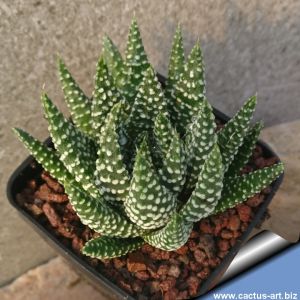
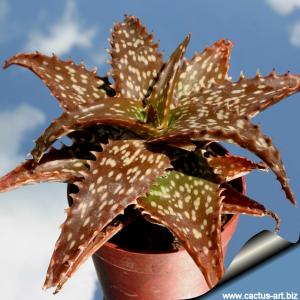
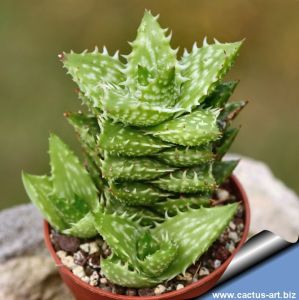
A small compact, clustering aloe with green, white-speckled leaves and serrated edges. Under strong sunlight—particularly in winter—it develops striking copper tones, often deepening to a rich copper-red.
-
67
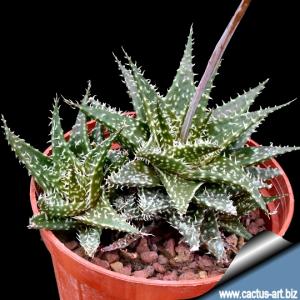
A dwarf hybrid aloe obtained by crossing two of the tiniest species, suited for small pots. Easy to grow ans flowers.
-
68
A. juvenna is very attractive and forms smallish spikey rosettes from the base. Leaves are bright green with lighter green spots on inner and outer surfaces.
-
69
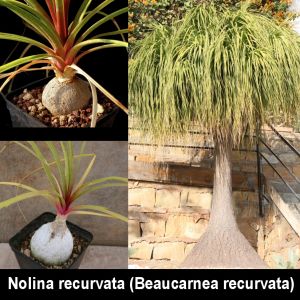
Once known as Beaucarnea recurvata it is a very decorative caudiciform plant (often called the ponytail palm in English, even though it is not a true palm) It can be also grown indoor.
-
70
It is absolutely an adorable dwarf succulent, up to 7 cm tall.
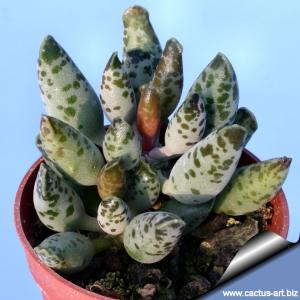
leaves 2.5 to 5 cm long small semi cylindrical, more or less mottled with dark green to red. Older plants develop a massive caudex or large swollen area near the ground.
-
71
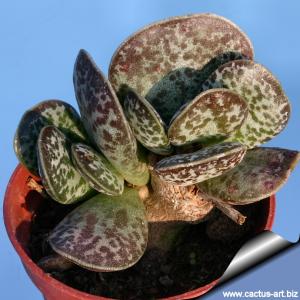
Adromischus rupicola is a small clumping succulent and relatively slow growing . Older plants develop a massive caudex or large swollen area near the ground.
-
72
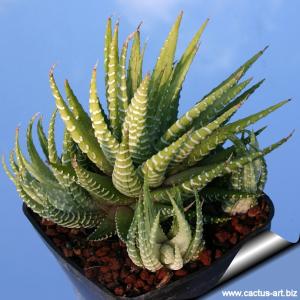
(Variegated Zebra Haworthia) A rapid clumping variegated clone whit irregular yellowish-white streaks on leaves, it has characteristic strong white stripes on back of leaves.