-
1
-
2
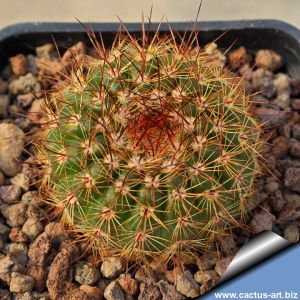
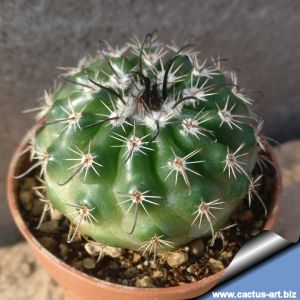
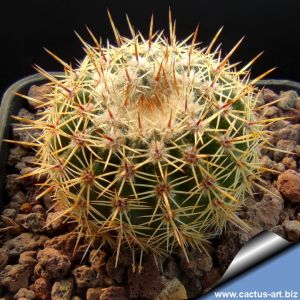
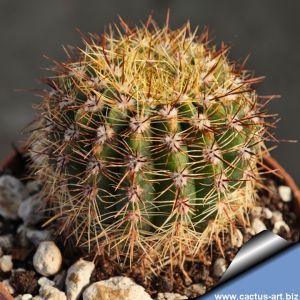
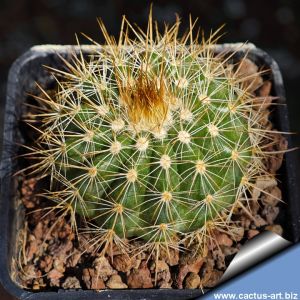
Spherical stem with umbilicate depression at apex, armored by interlocking copper-brown spines.
-
3
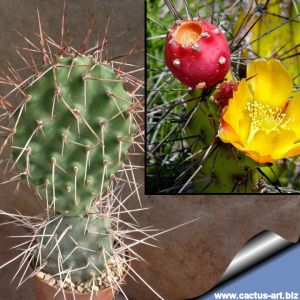
Opuntia sulphurea has conspicuously tuberculate joints. The spines are very dense and stiff, horncolored. Flowers about 4 cm. long, yellow.
-
4
Notocactus claviceps is a smaller growing form of Notocactus schumannianus that does not exceed 50 cm in height. It has attractive light yellow (nearly white) flowers in summer.
-
5
Parodia subterranea (also found in cultivation as Notocactus occultus) is an amazing white-topped cactus species from Bolivia that reputedly grows almost completely hidden below the soil. The flower colour is usually red, but can be quite variable.
-
6
-
7
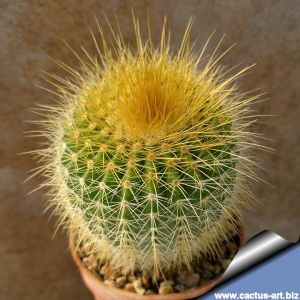
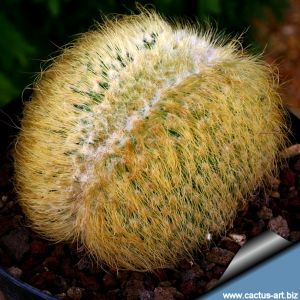
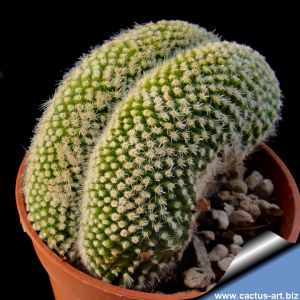
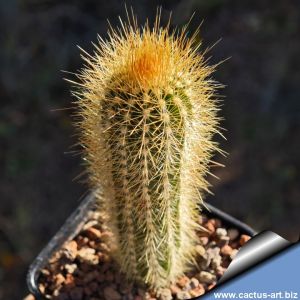
Notocactus leninghausii or the "Golden Ball Cactus" is very popular and widely grown for its yellow bristly appearance, but this beautiful crested form is still rare in cactus collection. The most striking feature is the harmless, bristly golden spines.
-
8
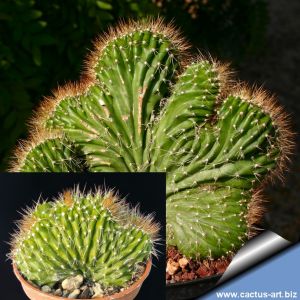
Neobuxbaumia euphorbioides f. cristata is very strong and can grow up to 1 m in diameter and height (or more).
-
9
-
10
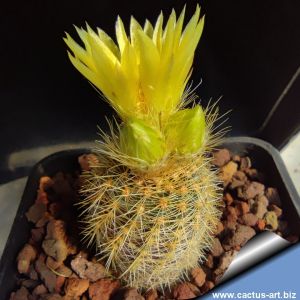
Notocactus rechensis is a lovely dwarf species that branches strongly at the base and can form large clusters. The yellow flowers reach 3 centimeters in diameter.
-
11
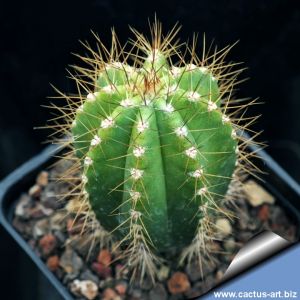
Only few ribs, green-blue body, yellow to brown spines.
-
12
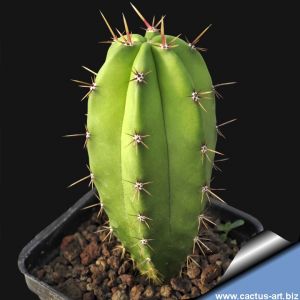
Heliabravoa chende is a large candelabra like cactusr, olive green body, later up to 3(–5) m tall. The flowers are white.
-
13
Unlike most Notocactus (which almost always have yellow flowers), this species bears blooms ranging from creamy yellow to lavender. Spines vary from yellowish-white to red-brown.
-
14
Globose, dark green stem flattened at the top, adorned with whitish or beige spines. Blooms repeatedly in summer with yellow flowers 4–6 cm in diameter.
-
15
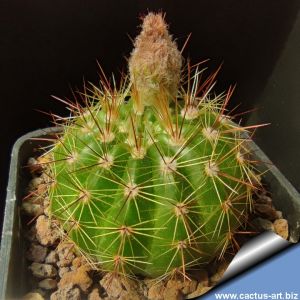
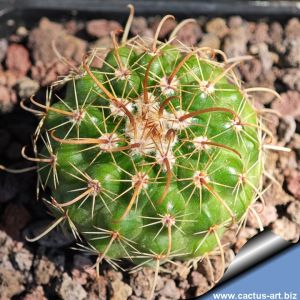
Fresh green stem, brown spines, shining yellow flowers.
-
16
-
17
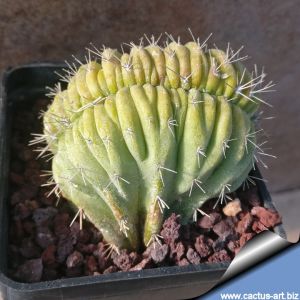
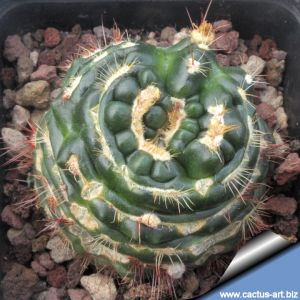
A rare monstrous form in which the areoles merge, creating more or less defined concentric circles and lines. Variation is high, making each specimen unique and marked by its own distinctive pattern.
-
18
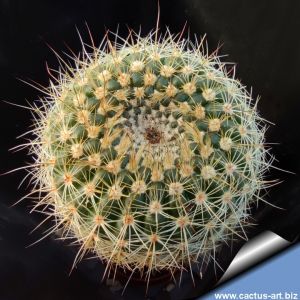
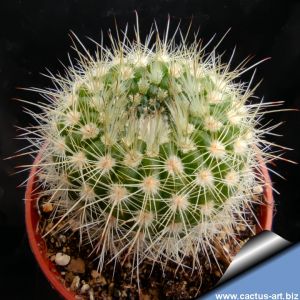
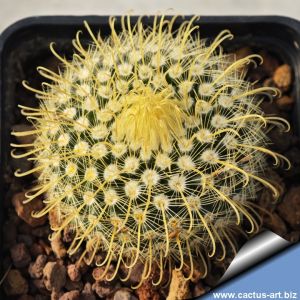
Flattened spherical cactus with many ribs and fine, filament-like spines, yellowish-white and scarcely differentiated. Blooms several times from late spring to summer, producing numerous golden-yellow flowers that open simultaneously.
-
19
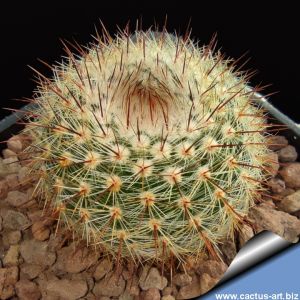
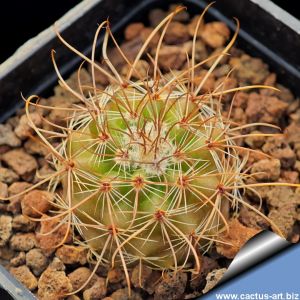
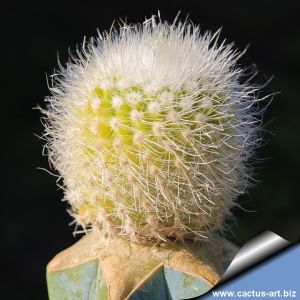
Succulent stem densely wrapped in white and yellow spines, featuring an exceptionally long, light-brown central spine. Bears yellow flowers and, if pollinated, develops elongated fruits.
-
20
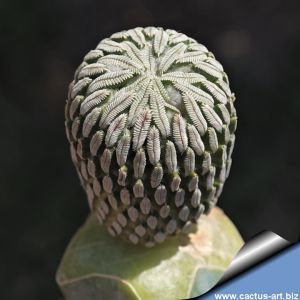
Pelecyphora aselliformis (Hatchet Cactus) is renowned for its uniquely shaped stem. The pectinate spines resemble sowbugs or woodlice (Oniscus asellus), inspiring its species name. A rare and prized specimen.
-
21
A highly ornamental Notocactus with a bright green body that branches over time. Spines range from golden yellow to amber and brown. The flower is vivid and luminous, in a rich golden yellow.
-
22
A fascinating variety from the high altitudes of Argentina, characterized by orange flowers and prominent central spines.
-
23
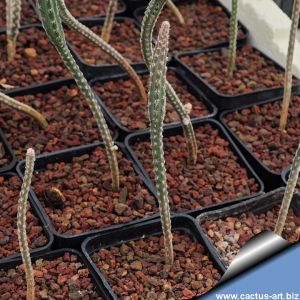
A tall, slender cereus with thin, dark brown stems, huge dahlia-like tuberous roots, and very short black spines. Striking reddish flowers! Hard to find in commerce.
-
24
A dwarf species with yellow, hooked spines and vivid yellow flowers. Compact yet highly ornamental, thanks to the striking combination of curved spines and bright blooms.
-
25
Spherical green stem with marked tubercles and woolly crown. Its 2cm long, strong, hooked spines transition from amber/copper in youth to grey with maturity.
-
26
Pilosocereus chrysostele ("Golden Torch Cactus") is a Brazilian columnar species with branched, erect stems in gray-green/blue hues, densely covered in whitish woolly bristles and golden spines. Grows tall
and produces large nocturnal flowers.
-
27
A newly described and rare species, Parodia juckerii displays golden-yellow to ochre spines, with one elongated central spine giving it a distinctive look. Its small size and vivid coloration make it a sought-after gem in specialist collections.
-
28
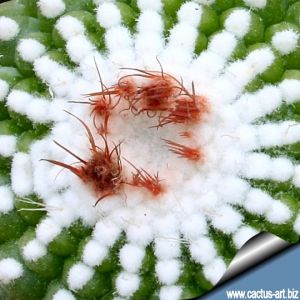
Monstrous and soft! Spineless, with white woolly areoles arranged in perfect symmetry on the green body. Over time it branches, forming small clusters.
-
29
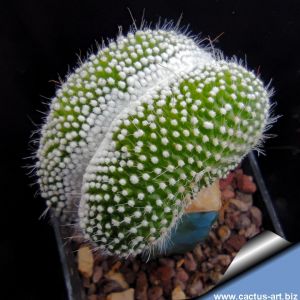
This is the beautiful crested form of Notocactus scopa f. inermis — monstrous and soft to the touch. Nearly spineless, it bears white woolly areoles arranged in perfect symmetry along its green stem.
-
30
A magnificent golden variant featuring a vibrant lemon to yellow-green stem that stands out dramatically against its delicate, snow-white spines. Radiant and sophisticated in appearance.
-
31
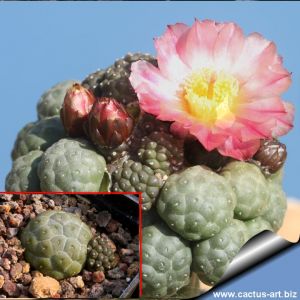
A tiny cactus forming blue-green to olive-green globular segments that grey with age. The rare spineless form is completely smooth and harmless. Flowers perform magic: they open pale honey-yellow then transform to pink as they age.