MAKING ROOM FOR THE NEW: Final chance before our 2025 arrivals!
SUCCULENTS & CACTI AT 50% OFF
Why this special offer? Our greenhouse is evolving! We're making space for new species, rare specimens, and exclusive botanical collections arriving in 2025.
Limited time offer: Only in Genuary. While stocks last | Online only
The perfect opportunity to: • Expand your collection at half price • Start the new year with new greenery • Acquire quality plants nurtured with care
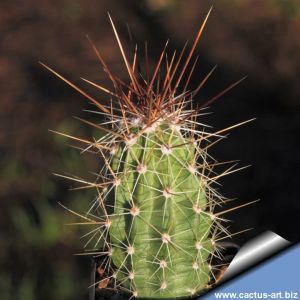
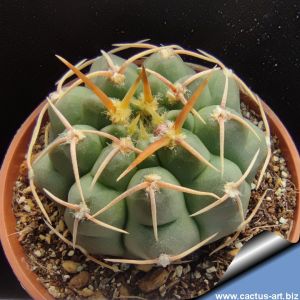
Ferobergia is a horticultural intergeneric hybrid, made by crossing of a Ferocactus as a female and a Leuchtenbergia principis as a male. These hybrids are very variable, due to the intersection of characters deriving from the parents.
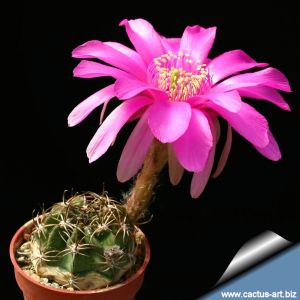
Echinopsis obrepanda natural hybrids derived from crosses between members of the Echinopsis obrepanda group and one or more unknown lobivias. (Perhaps Lobivia calorubra). The flowers are pink-violet to red and very showy.
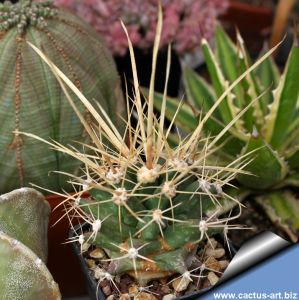
Cactus with an impressive array of straight spines up to 8 cm long—light brown, beige, or often bluish—somewhat angled, rather stout, and diverging from the stem. The flowers are very showy, purplish, and measure around 7–8 cm in length.
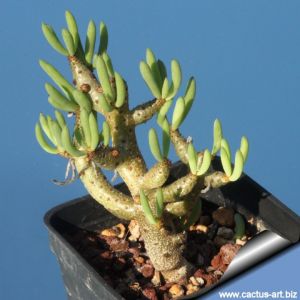
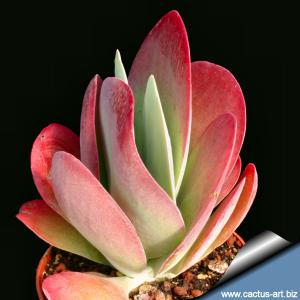
Entirely without spines or glochids, this plant can be touched safely. It develops appealing groups of oval to gently elongated cladodes, an excellent choice for those preferring non-spiny ornamental plants.
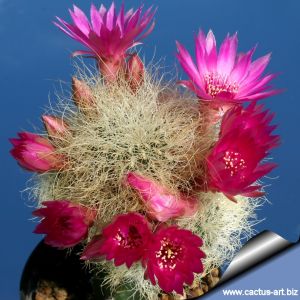
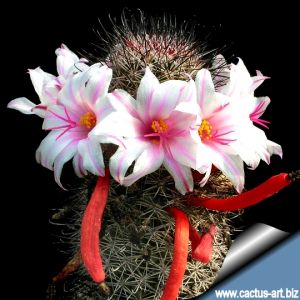
A remarkable species featuring flattened spherical stems clad in dense, hair-like, yellowish-white, contorted spines, giving a soft, cloud-like look. Its magenta flowers are vivid and dramatic.
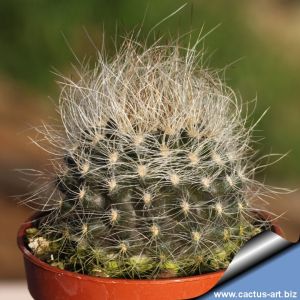
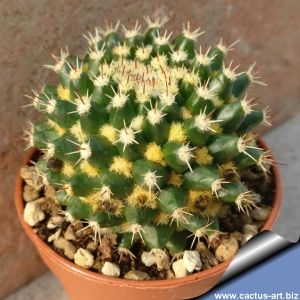
Highly distinctive species with long, thin, soft, and flexible spines ranging from white to creamy-yellow. In some specimens, spine color deepens to beige, light brown, or nearly black, giving each plant a unique appearance.
A slow-growing solitary cactus with flattened, muted grey-green or blue stems. Only three recurved spines bent tightly to its body - nature's lesson in economical beauty.
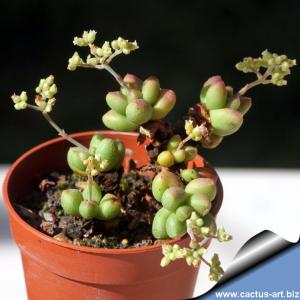
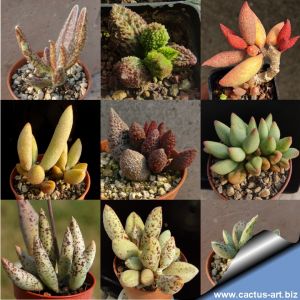
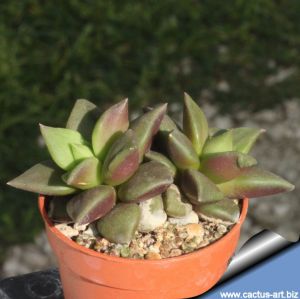
A curated mix of Adromischus marianae — a highly variable and strikingly beautiful species. Each plant is unique, showcasing diverse leaf shapes, textures, and colors, from green hues to bronze and reddish mottling.
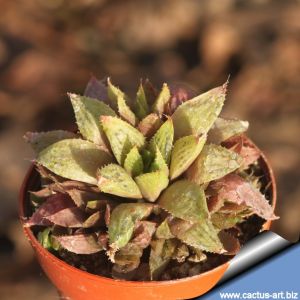
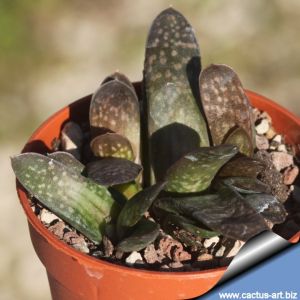
Dwarf distichous plant with dark glossy-green leaves bearing prominent, pale spots in transverse rows. Leaf tips are obtuse (hence the species name) and mucronate.
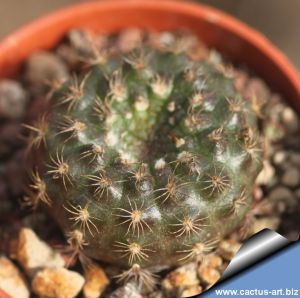
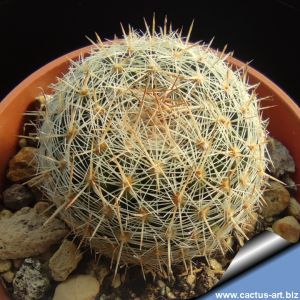
Globular to egg shaped cactus with straight, firm spines in neat spirals, in shades of ashy white, grey, or pale tan, with the longest ones tipped in reddish-brown or reddish-black. Blooms appear pure white, soft pink, or pale lavender-pink.