-
1
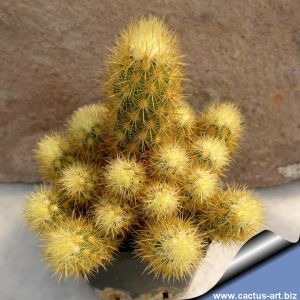
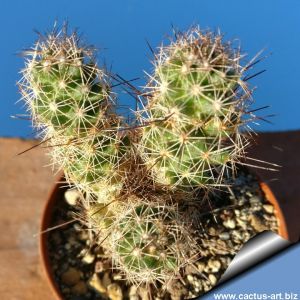
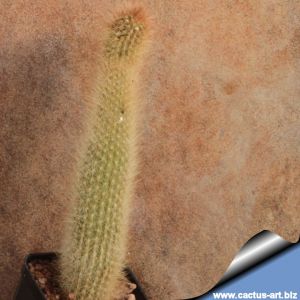
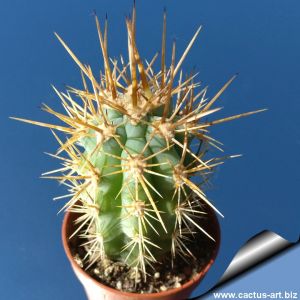
This uncommon (but very nice) cactus, has tiny finger shaped stems and will slowly form small clusters with dense golden spines. Spines are gold-amber coloured. Flowers tiny pale yellow on the apex.
-
2
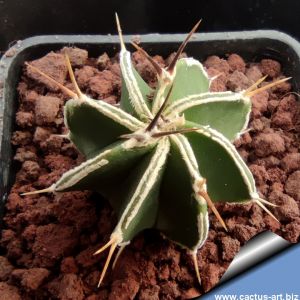
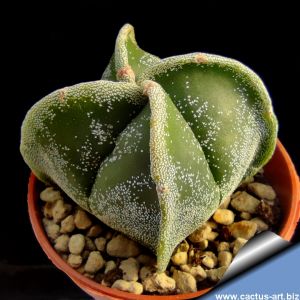
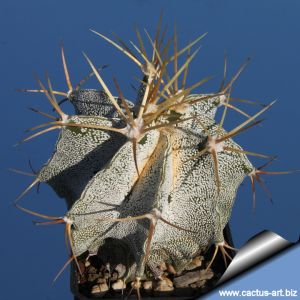
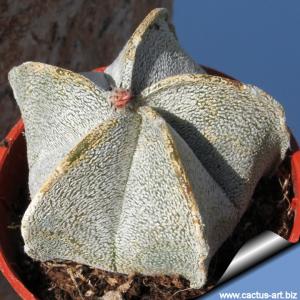
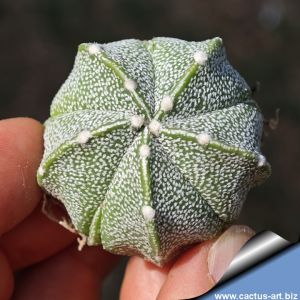
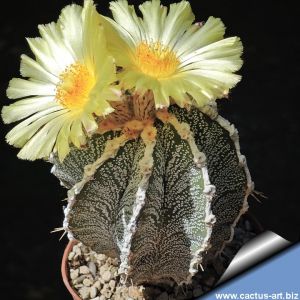
The main particularity of this cultivar are the tip of the rib that are seated within the plants body, while the suture line between the ribs is turned outward. This unusual feature give this plant it unique starry-looking.
-
3
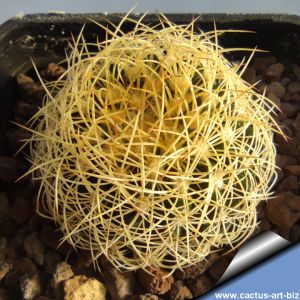
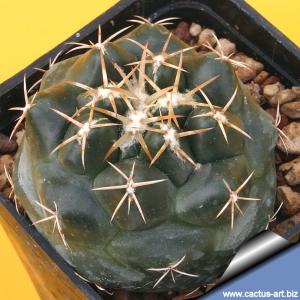
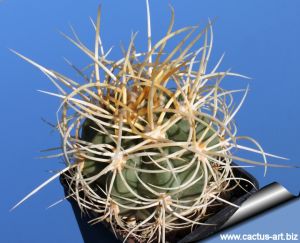
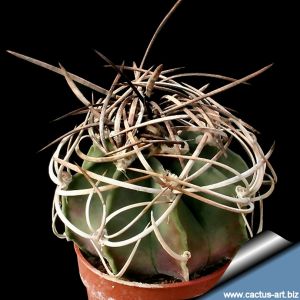
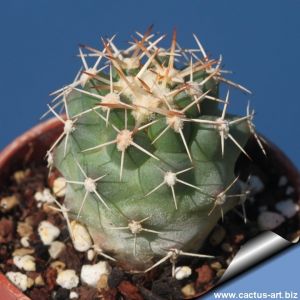
It has flexible interlacing spines up to 1-2 cm long, that are pectinate, flexible, creamy white or whitish-yellow with dark tips, recurved backwards, sitting on the plant like spiders.
-
4
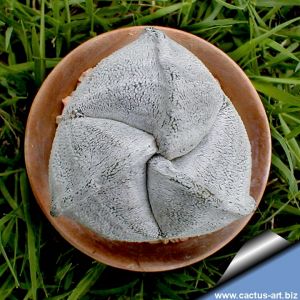
Exceptionally rare: a genuine Coahuilense featuring just three ribs!!!
-
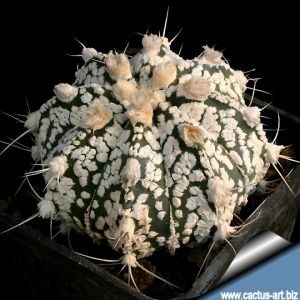
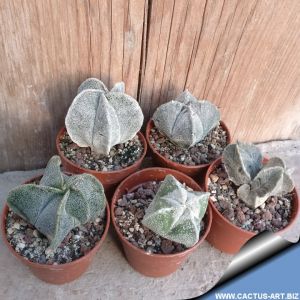
5
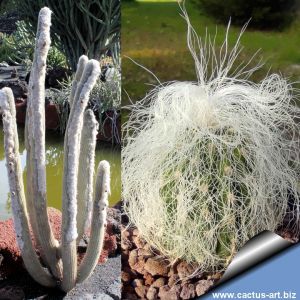
Cephalophorus senilis is a columnar and erect cactus 6 to 10, or even 15, meters high. The most striking feature is the shaggy coat of long, white silky hairs suggestive of unkempt hair on an old man and hence the name old man cactus, and similar names.
-
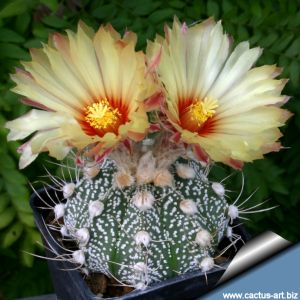
6
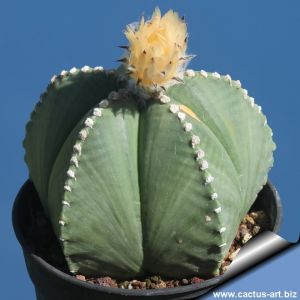
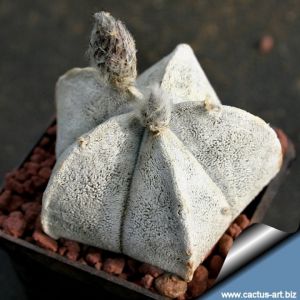
Japanese cultivar easily distinguished by its woolly areoles connected by a continuous felt-like line along the ribs. The smooth epidermis is green and lacks white flecking, making the pale lines stand out beautifully.
-
7
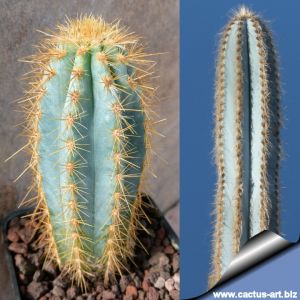
Pilosocereus azureus is one of the most spectacular columnar tree-like cereus. It ramify at the base or develops a distinct trunk with dozens of erected bluish-silver branches.. This is one of the bluest columnar cacti.
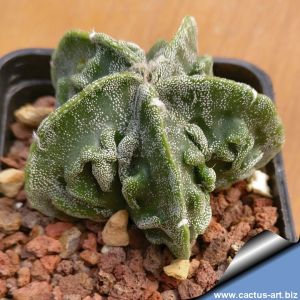
-
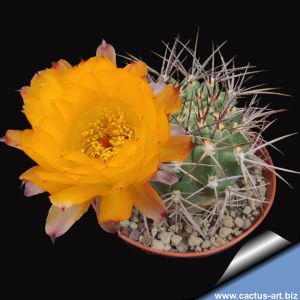
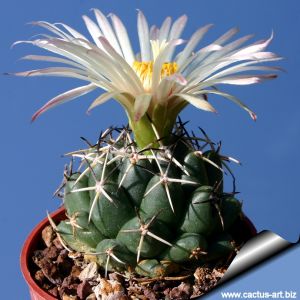
8
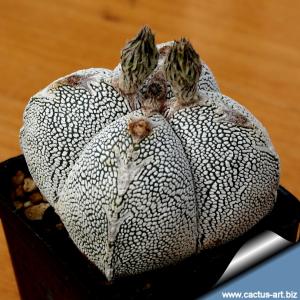
Interesting hybrid that combines the forms of A. ornatum with unique onzuka designs pattern. Very nice.
-
9
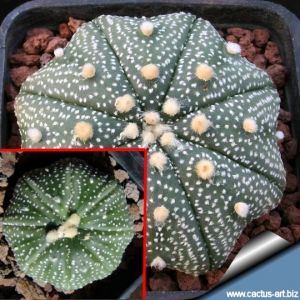
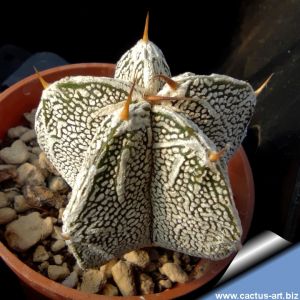
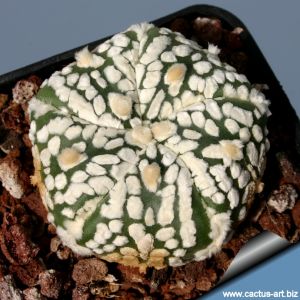
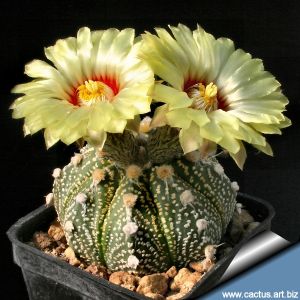
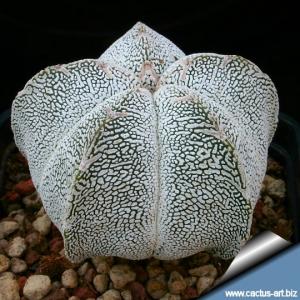
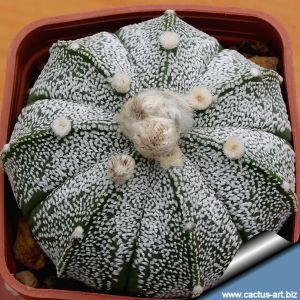
A special form with only 5 ribs — a rare trait in Astrophytum asterias and highly sought after by collectors.These selected specimens also display bold SUPERKABUTO-style markings. No two are alike.
-
10
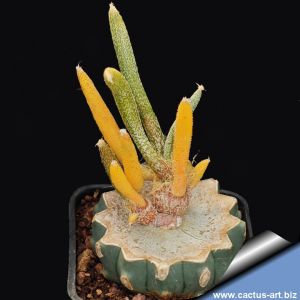
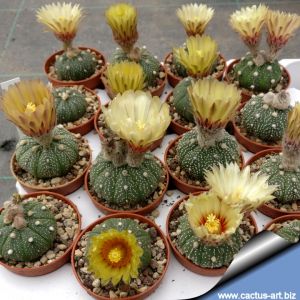
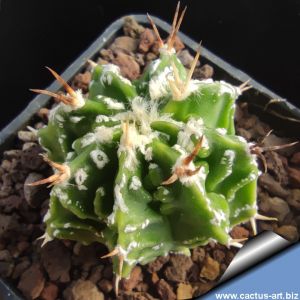
Hybrid Astrophytum caput-medusae feature larger yellow and green tubercles that take on a lovely orange hue in winter, exhibiting vigorous and sturdy growth. Grafted specimens, truly stunning.
-
11
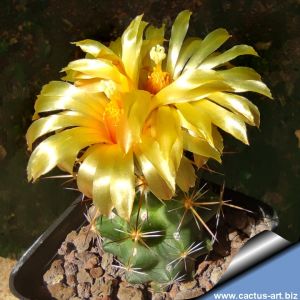
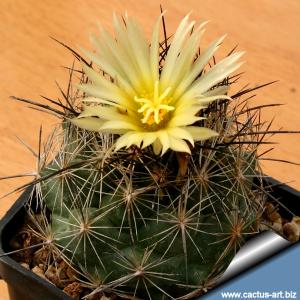
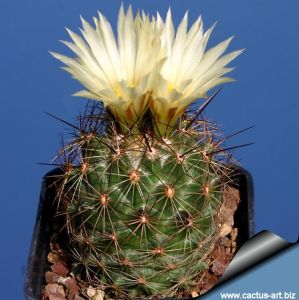
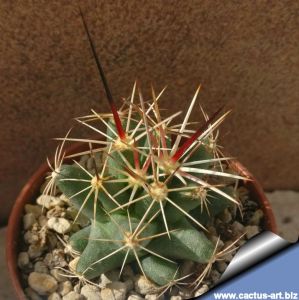
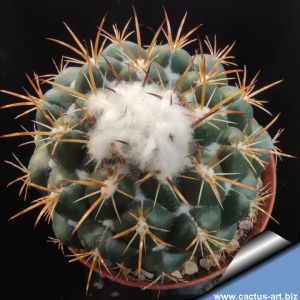
Coryphantha Wohlschlageri is a small cactus with dark green olive green stems 3 to 5cm and the same diameter. The intensely egg-yellow flowers are 5 to 6 cm in diameter and silky.
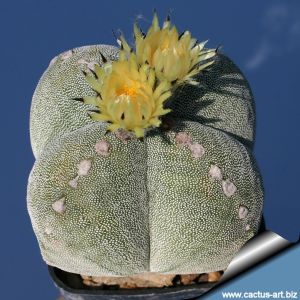
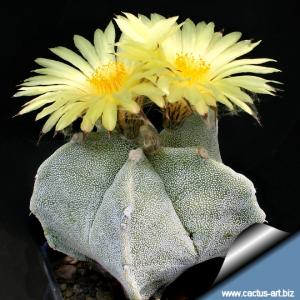
-
12
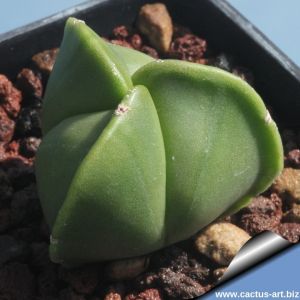
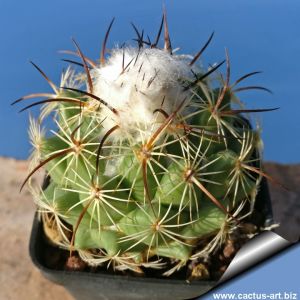
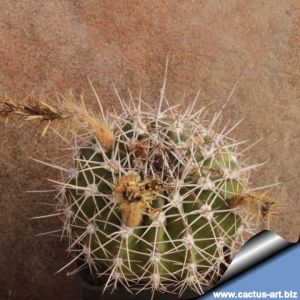
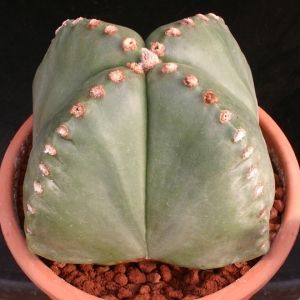
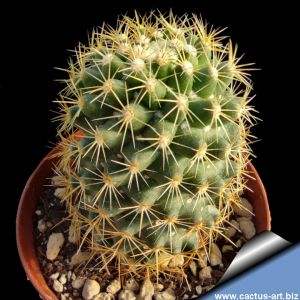
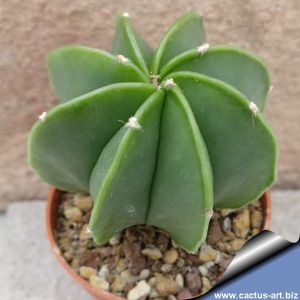
Astrophytum myriostigma "tricostatum nudum" is a strikingly pretty cultivar with only three ribs lacking the white flecks that cover the epidermis of the standard myriostigma, giving it a green, gray-green or mauve-green color overall depending on clones.
-
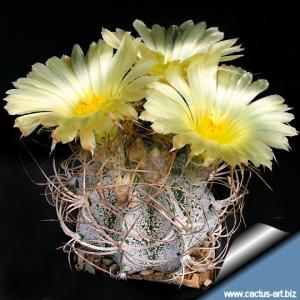
13
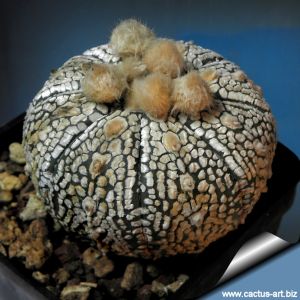
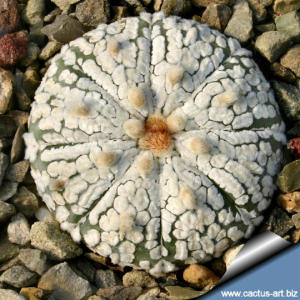
SUPERKABUTO classical form. Diameter 4-5 cm, seed grown about 5 years old (own roots never grafted).
-
14
Esemplari selezionati di A. asterias cv. SUPERKABUTO, solo piante con grandi macchie bianche e disegni particolari. Diametro 4-5 cm, piante da seme di cica 5 anni di età su radici proprie.
-
15
A curated mix of Astrophytum capricorne — a highly variable and strikingly beautiful species. Each plant is unique, showcasing diverse stem colour and mottlings, textures, and spines colors. An interesting selection at an affordable price.
-
16
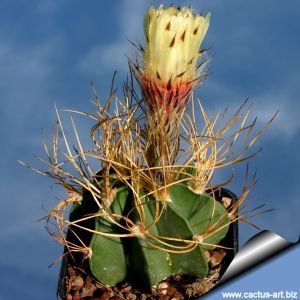
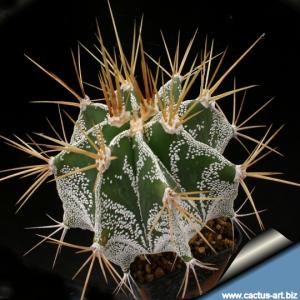
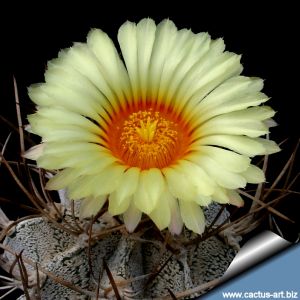
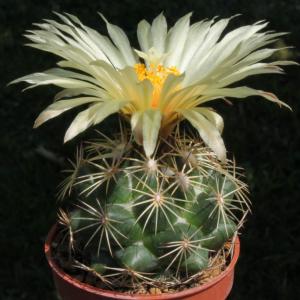
A cactus of striking beauty and originality, featuring a green body adorned with long, twisted golden spines. Its large yellow flowers with a vivid red throat enhance its unique charm.
-
17
AS-CAP hybrids – Cross between A. asterias (mother) × A. capricorne (pollen donor). Large flowers with pearl-yellow petals and fiery red throat, ribs more pronounced than pure asterias but with short spines. A balanced blend of both species’ best traits.
-
18
Beautiful selected specimens with tetragonal growth (form quadricostatum), featuring faintly dotted epidermis that forms intricate patterns. The visual effect is elegant and refined.
-
19
Beautiful form that only deviate from the well-known typical form for lacking or mostly lacking white flecks, giving a bright green colour. It is by some considered an extreme form of the subspecies potosinus.
-
20
The Astrophytum ornatum is the largest and easiest to grow and also the fastest of the Astrophytums. Spherical when young to columnar when mature, some specimen develop nice twists with age.
Ribs have characteristic cross bands of wooly scales.
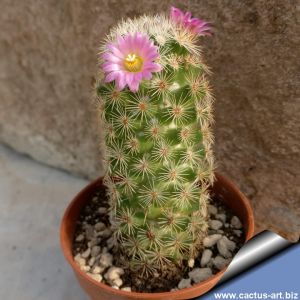
-
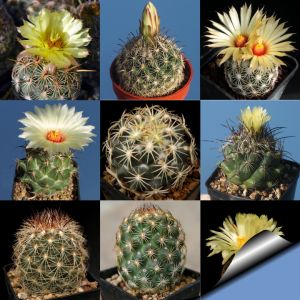
21
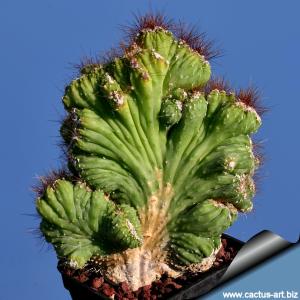
5,5 cm Ø. This is a slow growing and attractive plant that forms myriads of sculptural monstrous and crested shapes and woolly areoles. It is strong and easy to grow.
-
22
Coryphantha elephantidens is characterized by large, bluish-green, mammilliform tubercles and stout, curved, tusk-like central spines. It blooms at the apex with large yellow flowers in summer.
-
23
-
24
Cumarinia odorata was described as Coryphantha odorata by Bödeker in 1930, transferred into the genus Neobessaya by Werdermann and thence to the new genus Cumarinia by Knuth which, in turn, was reduced to a sub-genus of Neolloydia by Backeberg in 1942.
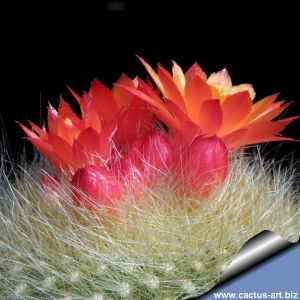
-
25
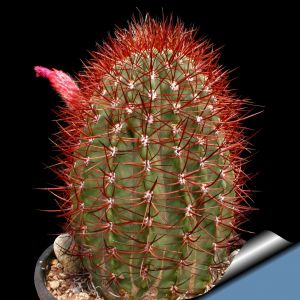
It's specific name comes from old Greek and means "red spine" for the colour of its clusters of spines. It's a barrel type of cactus and stay globular during a long period before becoming shortly column-shaped.
-
26
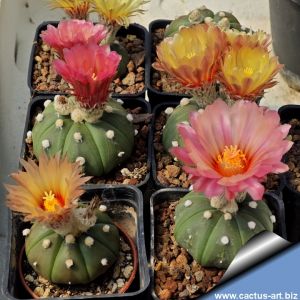
Glossy green stem without dots accentuates white areoles. Blooms range from pearl-yellow to soft pink, all with crimson centers. A visual delight for succulent enthusiasts.
-
27
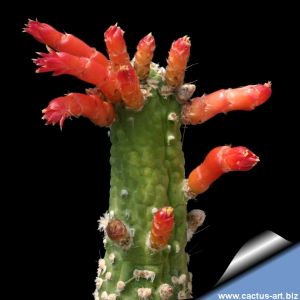
Strange asymmetrically tuberculate stems that grow in tall columns or twist and wind around each other like snakes. Produces lots of red tubular flowers throughout the summer.
-
28
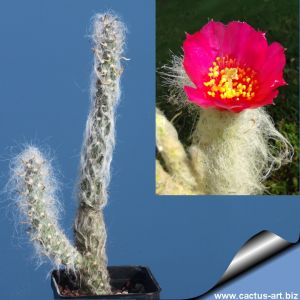
Very elegant plant! It forms slim fans with dramatic fasciated tips densely cloaked with thin long white hairs.
-
29
The Astrophytum capricorne v. niveum, named "niveum" (snow) for its white stem, has bright flecks that intensify in the sun. It blooms profusely in summer with yellow flowers and a red throat, offering a striking contrast.
-
30
CAP-AS hybrids – Blend of A. asterias and A. capricorne: slightly raised ribs and large creamy-yellow flowers with pearly sheen and red throats. Variable traits, strikingly beautiful.
-
31
A beautiful and distinctive plant: A. myriostigma quadricostatum differs from the typical, more common form by having four ribs instead of five.
-
32
Coryphantha palmeri is a globose cactus with usually one stout hooked central spine. It is one of those Coryphanthas which pass a purely radial-spined long youth stage. After several years they develop the central spines. It is extremely variable.
-
33
Nearly all-white body covered in a dense scattering of white dots, producing a glowing appearance. Vivid yellow blooms contrast dramatically against the pure white surface.
-
34
It is dimorphic: juveniles have short tubercles and only radial spines, but mature plants develop strong central spines and elongated tubercles. This transformation gives the plant its distinctive pineapple-like adult appearance.
-
35
The Diamantina population is distinguished by robust light, cream or amber colored thorns.
-
36
The minuta variety is distinguished by its long, robust spines and magnificent yellow flowers,
though occasional orange or red blooms may occur.
-
37
Astrophytum coahuilense with five ribs, has a surprising similarity to Astrophytum myriostigma. However, it is different in all characteristics regarding flower, fruit and seed. Flowers are yellow with a red center (like those of Astrophytum capricorne).
-
38
-
39
-
40
Astrophytum capricorn v. Crassispinoides is a form of A. capricorne v. minor flowering with a pure yellow flower. The spines are creamy white, yellowish or tan, thin, soft and curled. It is really beautiful and unmistakable even without flowers.
-
41
-
42
-
43
"Onzuka Ranpo-gyoku". ONZUKA has fabulous markings that varies considerably from plant to plant, and also plants change their appearance in age and they are full of surprises as they grows. The “quadricostatum” form has 4 ribs instead of 5.
-
44
-
45
-
46
flower in size
-
47
Among the tiniest in its genus, this cactus reaches just 4–5 cm at maturity and stays that size. It grows in small clusters and produces a woolly cephalium with long, cream-white, delightfully fragrant flowers.
-
48
-
49
Solitary, slow-growing geophytic cactus with equilateral triangular tubercles slightly protruding above ground; its substantial tuberous stem is entirely subterranean.
-
50
-
51
Five ribs and a striking resemblance to A. myriostigma. Different in terms of flower, fruit and seed which resemble the Astrophytum capricorne. Stems covered with tiny fluffy, wool-like flecking for a velvety appearance.
-
52
-
53
This plant is an example of crossbreed involving Astrophytum coahuilense x Astrophytum asterias; the resulting interspecific F1 hybrid shows intermediate characteristic from both the parents, the 5 ribs are inherited by the female parent. On the contrary,
-
54
-
55
A hybrid between Astrophytum asterias ‘Superkabuto’ and A. capricorne, blending the bold white spotting of ‘Superkabuto’ with the prominently ridged ribs characteristic of A. capricorne. It also produces strikingly beautiful flowers.
-
56
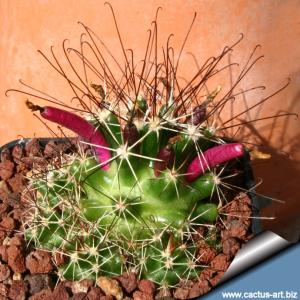
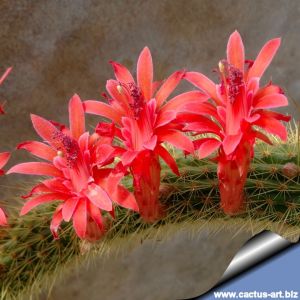
Charming trailing plants with a decumbent growth form, ideal for hanging baskets. Long stems covered in dense, fine, hairy spines ranging from beige to ochre, and adorned with a striking S-shaped reddish bloom!
-
57
"Fukuryu Rampowgyoku". FUKURYU is a Japanese word that would mean presence of additional ribs. It forms small extra ribs, usually these additional ribs have not areoles and develops on the lateral side sandwiched between two contiguous true ribs.
-
58
Azureocereus hertlingianus (Browningia hertlingiana) also known as the “Blue Cereus” is a huge columnar cactus sought after by collectors because the juvenile specimens have a beautiful blue frosty covering. It one of the few really blue cacti.
-
59
-
60
-
61
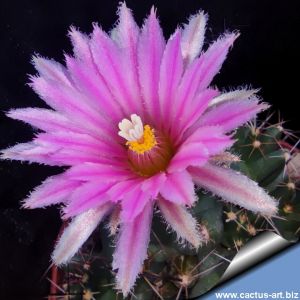
Fingerlike body covered in short white spines, huge tuber. Nice pink flowers in ring near top.
-
62
Mix of Coryphantha species and cultivars - Each plant is unique, with different shapes and colors. A very interesting selection at an affordable price.
-
63
-
64
-
65
= Escobaria (subg. Acharagma) aguireana ssp. kalasii
-
66
-
67
-
68
-
69
Crossbreed involving two different Astrophytum species (Astrophytum asterias x Astrophytum coahuilense) the resulting interspecific F1 hybrid shows intermediate characteristic from both the parents, the number of ribs vary from 5 to 8.
-
70
Unlike typical OR-MY hybrids, this cultivar shows no or minimal white spotting, displaying a solid green hue that ranges from bright to blue-, gray-, or mauve-green across clones.
-
71
The woolly areoles on the ribs have a felty line between them so it seems like the areoles are connected with each other.
-
72
Notocactus haselbergii (Brasilicactus haselbergii) is a very popular cactus with silvery white spines. It is a heavy bloomer that can sport showy deep orange flowers for a long period of time.