-
1
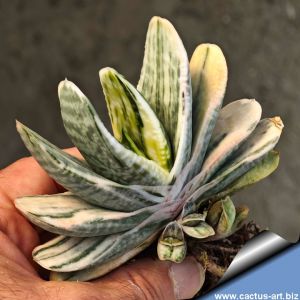
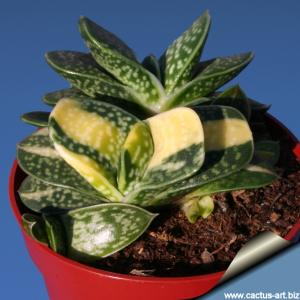
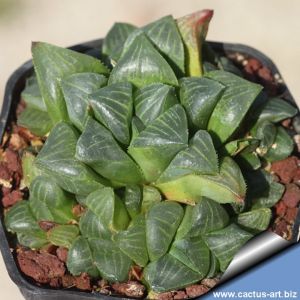
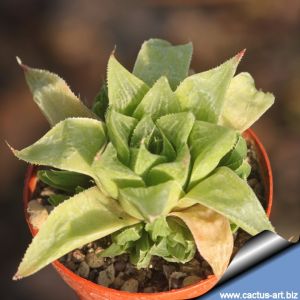
Japanese hybrid whose name "Fuji Yuki" means “Fuji Snow”. Valued for its dark green leaves striped in yellow-cream and dotted with white. Turns pink in strong sunlight. Like snow on Mount Fuji, it’s a breathtaking botanical wonder.
-
2
-
3
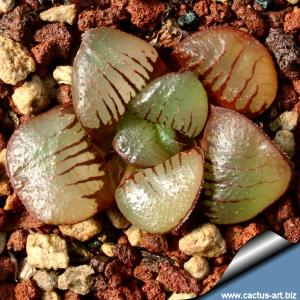
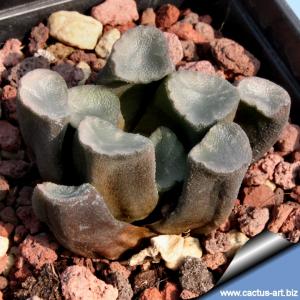
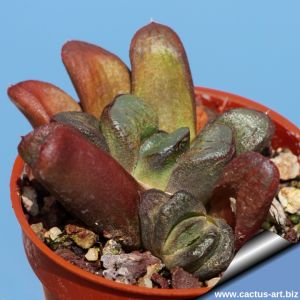
A legendary clone – Its bronze-green truncated leaves, graced with cream veining like fine china, remain the gold standard among collectors. A living heirloom that never fades!
-
4
-
5
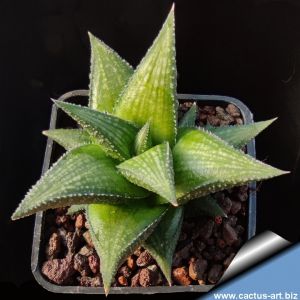
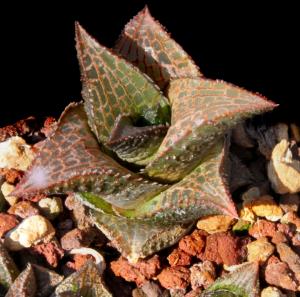
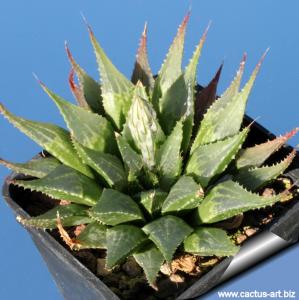
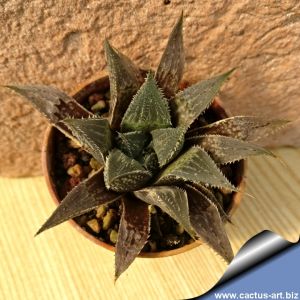
This is one of the prettiest and most sought after aloes cultivars. The leaves are a lovely emerald colour with cream and pink warts. The marginal teeth are deep pink in color.
-
6
Dark green truncate leaves with slightly dimpled texture, adorned by intricate ivory veining resembling lace embroidery. The harmonious interplay of opacity and transparency makes this a botanical jewel like no other!
-
7
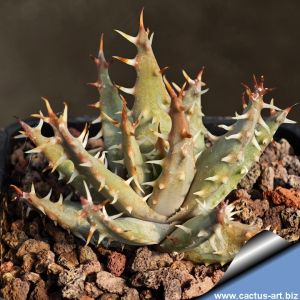
Japanese treasure, each leaf's alabaster tip filters light like shoji paper, while the dark green base anchors its celestial glow. The name "Midnight Sun" perfectly captures its ethereal duality. A living yin-yang contrast!
-
8
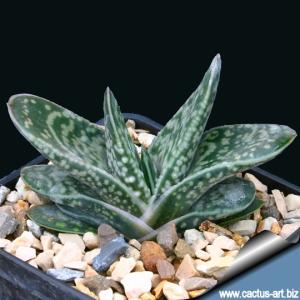
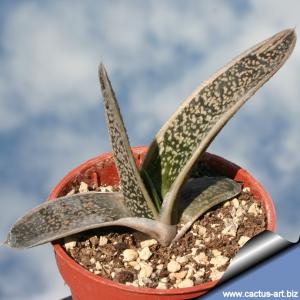
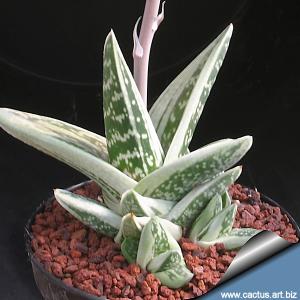
Gasteria croucherii is a succulent with rosette leaves (fan-shaped when young) 20-36 cm long and 3-10 cm wide, with triangular section (flat when young), dark green with light green bands and spots. South Africa (Eastern Cape and KwaZulu-Natal).
-
9
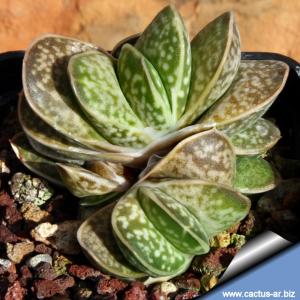
Fat, tongue-shaped leaves, marbled in grey, cream, pink, aquamarine, dull green and light brown. Very nice.
-
10
Gasteria bicolour is typically distinguished, with age, by its short stem, which separates it from other acaulescent species. The stems can get tall as leaves keep stacking on themselves.
-
11
-
12
-
13
This variegated form features fleshy, soft-textured leaves in pale green with creamy variegation. Thrives in filtered light; too much shade leads to stretching. Proper lighting keeps the rosette tight and preserves the delicate color pattern.
-
14
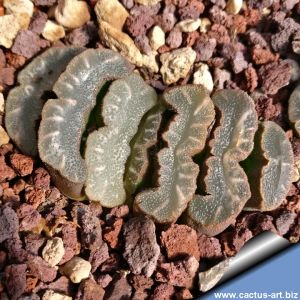
Haworthia comptoniana (Haworthia emelyae v. comptoniana) is a distinct variety most sought after for the flattened, entirely smooth leaf-ends, and is particularly attractive. The leaf tissues are translucent or even transparent.
-
15
Standard form from Spingbokvlatke in Little Karro region, South-Africa. Lovely fenestrate and translucent leaves. Beautiful.
-
16
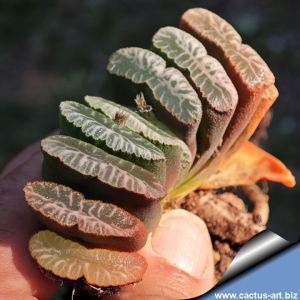
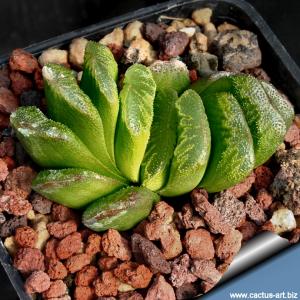
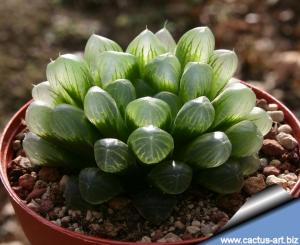
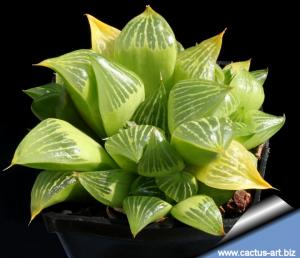
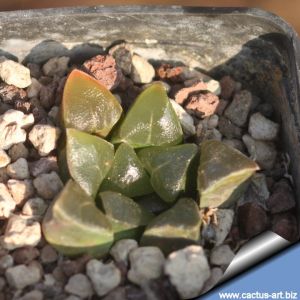
This nice creature has thick, truncated leaves that fan open like the pages in a book. The squat leaves are lime and chartreuse, making the plant a major conversation piece. The tips of the leaves are like windows looking into the green jelly inside.
-
17
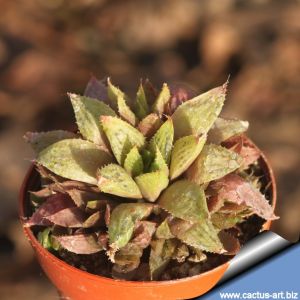
This desirable species, despite the fact that actually is common in cultivation, still inspires trepidation and admiration by way of its unusual truncate leaf tips. It is a superb succulent, unique, distinctive and very different for any collection.
-
18
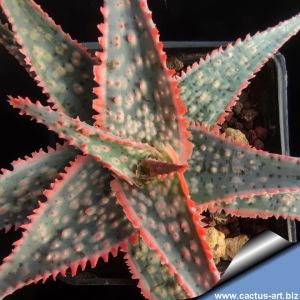
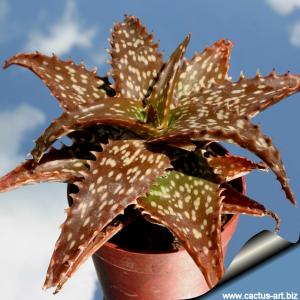
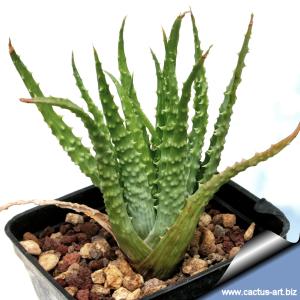
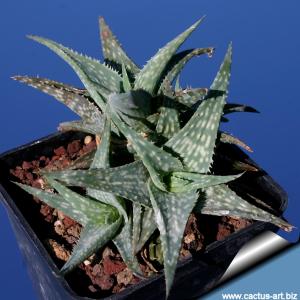
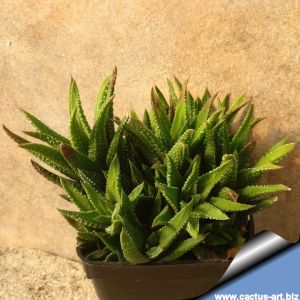
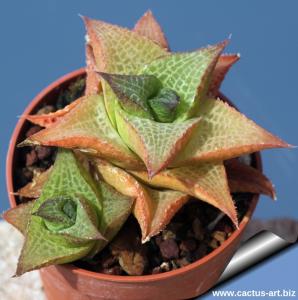
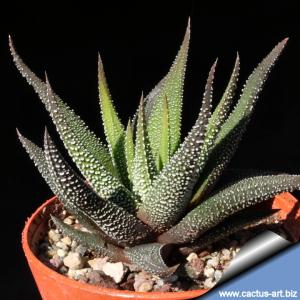
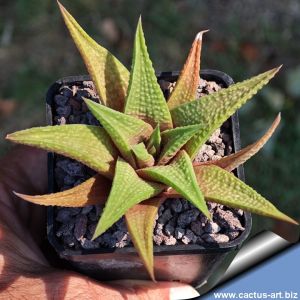
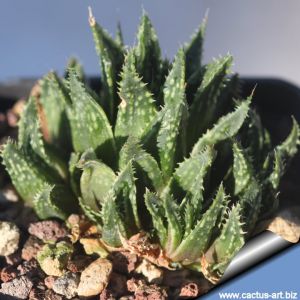
A small compact, clustering aloe with green, white-speckled leaves and serrated edges. Under strong sunlight—particularly in winter—it develops striking copper tones, often deepening to a rich copper-red.
-
19
A dwarf hybrid aloe obtained by crossing two of the tiniest species, suited for small pots. Easy to grow ans flowers.
-
20
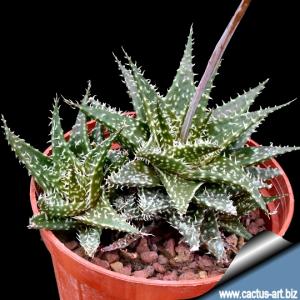
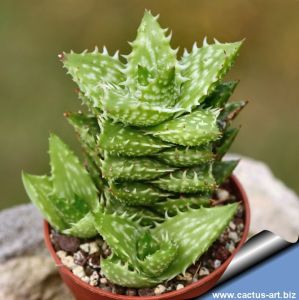
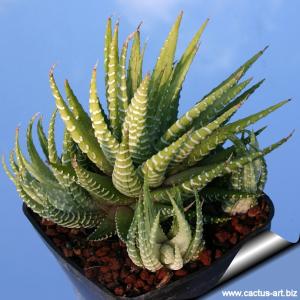
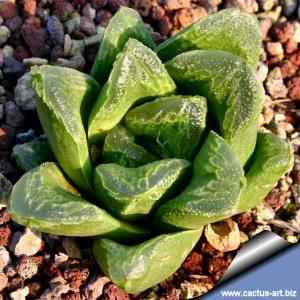
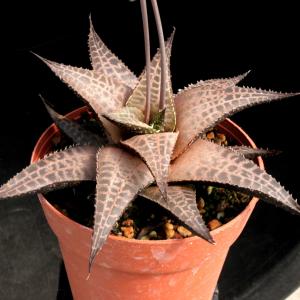
A. juvenna is very attractive and forms smallish spikey rosettes from the base. Leaves are bright green with lighter green spots on inner and outer surfaces.
-
21
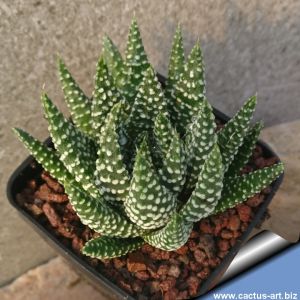
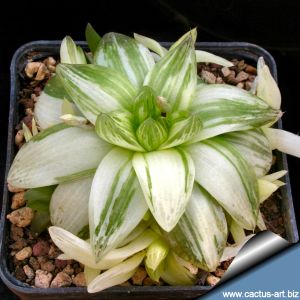
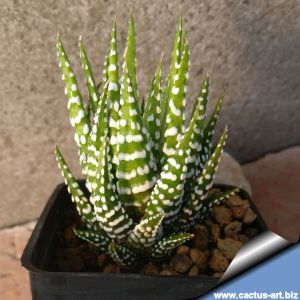
(Variegated Zebra Haworthia) A rapid clumping variegated clone whit irregular yellowish-white streaks on leaves, it has characteristic strong white stripes on back of leaves.
-
22
A rare and highly attractive cultivar with bright green rosettes that have a nice rose bud shape. Leaves are unmarked mid-green and incurved like the petals of an open rose bud.
-
23
It is a very spectacularly coloured, suckering, and low-growing aloe.
It is a very desirable kind that produce beautiful flowers regularly in March-April, and sometime later.
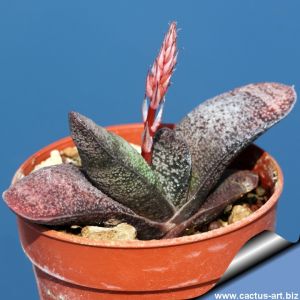
-
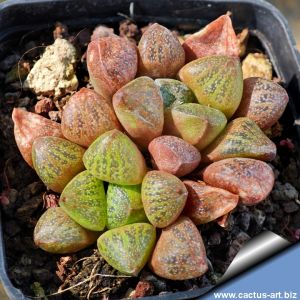
24
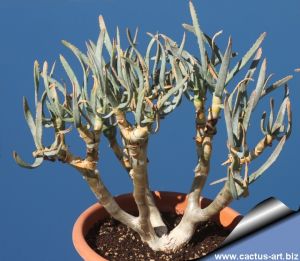
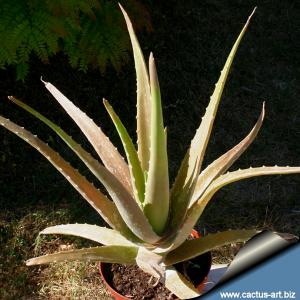
A great collector’s Aloe that will grow slowly to 1,5 m tall. It somewhat resembles Aloe dichotoma, but without a stem and with more branches. Young trees looks like bonsai. Spectacular!
-
25
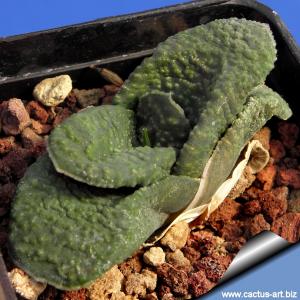
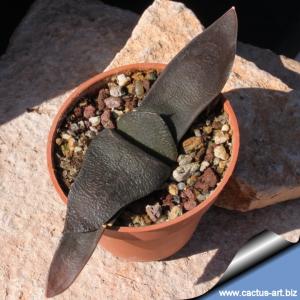
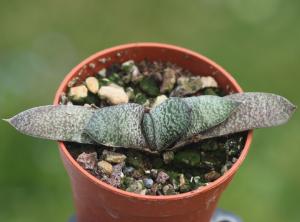
Gasteria armstrongii is one of the slow growing and rarer Gasterias. It has short thick rounded leaves, that are dark green with many paler coloured tubercles giving a reptilian impression.
-
26
-
27
-
28
-
29
-
30
-
31
-
32
Leaves with truncate,windowed, and marbled tips, arranged in a rosette. A unique species with one-of-a-kind color patterns. Grows slowly but offers exceptional decorative appeal.
-
33
-
34
-
35
-
36
-
37
-
38
-
39
-
40
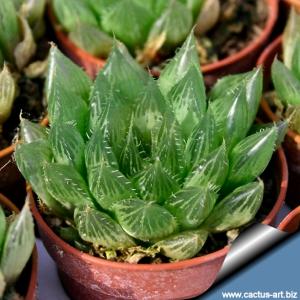
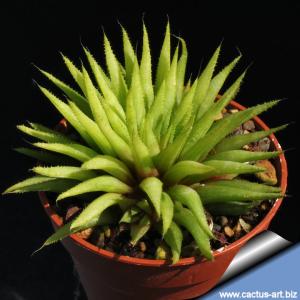
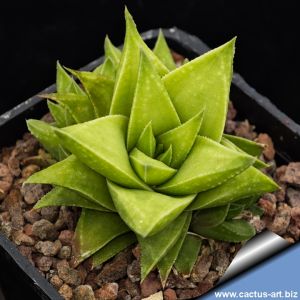
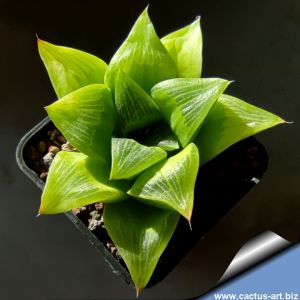
Charming, firm, triangular leaves with pointed tips in yellow-green create a dense, sturdy form that’s strikingly architectural.
-
41
-
42
-
43
-
44
-
45
-
46
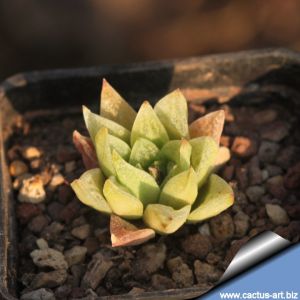
Fleshy, translucent leaves ranging from light green to lime yellow. Under intense light or cooler climates, it displays charming orange-pink tones, enhancing its allure.
-
47
-
48
A compact succulent with triangular leaves covered in symmetrical ridges resembling a file surface. The leaf colour varies from light to dark green, producing a distinctive sculptural appearance.
-
49
Distinctive variety featuring triangular leaves with slender yet flexible tips. Pale green
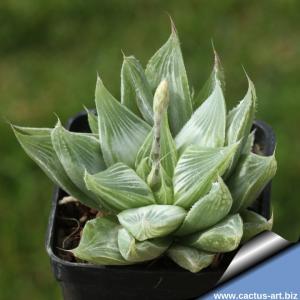
blades adorned with creamy veining. Gradually forms dense clumps. Geographic rarity straight from its type locality! Collector's item.
-
50
-
51
-
52
-
53
-
54
-
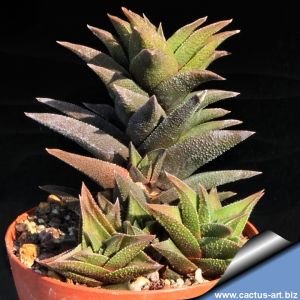
55
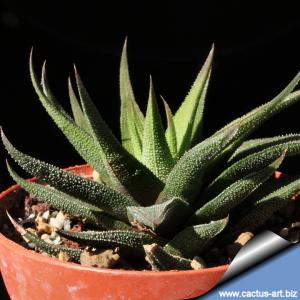
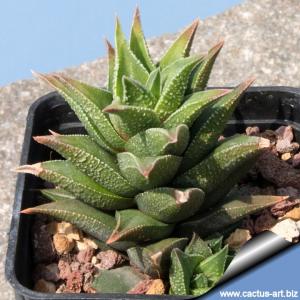
This is one of the finest haworthias, forming distinctive rosettes of very hard, firm dull-green leaves, pointed and triangular in cross-section, arranged in strongly twisted rows around the stem. The leaves are rough and slightly verruculose.
-
56
-
57
-
58
-
59
-
60
-
61
Living Geometry - 'Jade Star' forms perfect triangular leaves in cool jade tones, arranged like an origami starburst. Each rosette achieves near-mathematical precision.
-
62
-
63
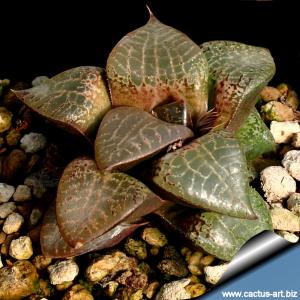
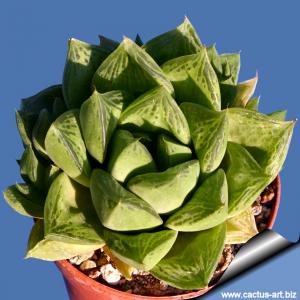
Rounded, flattened leaf tips shift from lime-green to plum tones with heavy mottling. This prolific grower forms compact colonies of interwoven rosettes that blend into living mosaics with ever-changing, speckled patterns.
-
64
Turquoise spherical rosettes with ivory recurved spines mimic sea urchins. Aloe erinacea remained hidden until the 1980s in Namibia's rugged highlands. Each plant is a masterclass in desert adaptation and geometric beauty.
-
65
-
66
Miniature succulent with tongue-shaped leaves in light grey to dark grey-green, ending in a mucronate tip. Covered with tiny cartilaginous grey-white tubercles fused into a dense net-like pattern, giving it an overall silvery-grey appearance.
-
67
Seed-grown Haworthia truncata hybrids from diverse parentage, all individually distinct and unique. Very nice and appealing plants.
-
68
-
69
-
70
-
71
-
72
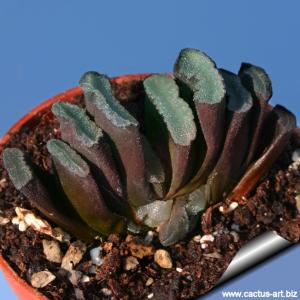
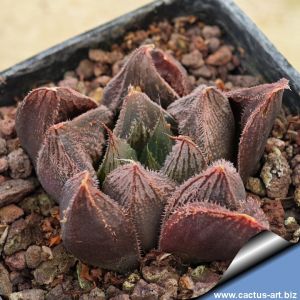
With its compact, fuzzy leaves, this Haworthia cooperi v. venusta x cv. CHOCOLATE displays a striking chocolate hue that intensifies in winter.