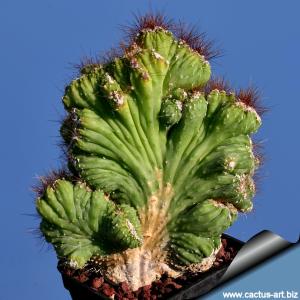
5,5 cm Ø. This is a slow growing and attractive plant that forms myriads of sculptural monstrous and crested shapes and woolly areoles. It is strong and easy to grow.
Cumarinia odorata was described as Coryphantha odorata by Bödeker in 1930, transferred into the genus Neobessaya by Werdermann and thence to the new genus Cumarinia by Knuth which, in turn, was reduced to a sub-genus of Neolloydia by Backeberg in 1942.
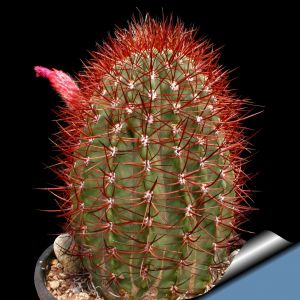
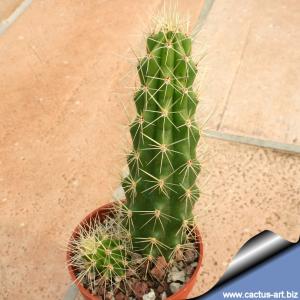
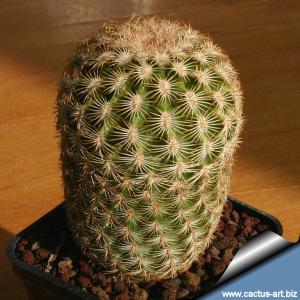
It's specific name comes from old Greek and means "red spine" for the colour of its clusters of spines. It's a barrel type of cactus and stay globular during a long period before becoming shortly column-shaped.
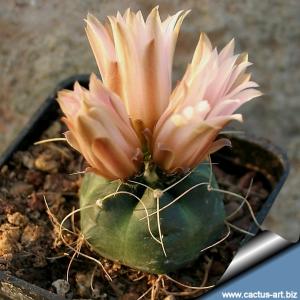
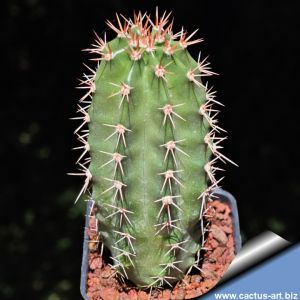
This unique and unmistacable species has plump, soft, flattened or globose , dark green stems remenbering an unripe tomato. Large pink flower open in spring. The thick tuberous root requires adequately sized pots.
E. knippelianus v. krugeri is a miniature form with a plump green body, soft, thin, bristly, and curly spines. The flowers - often larger than the plant itself - are whitish or flesh-colored at the center.
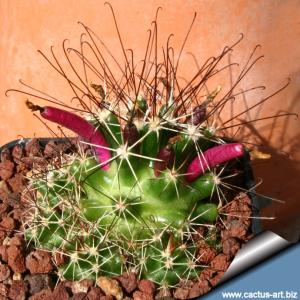
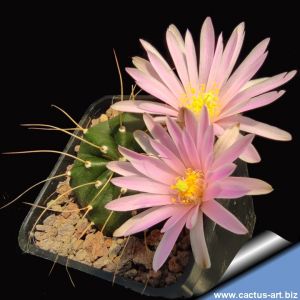
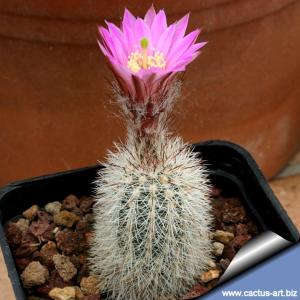
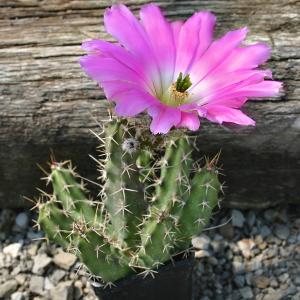
Small clump-forming species. Heavy bloomer, it starts producing flowers when still very young. Flowers bright pink in sping. Grows together with Mammillaria wrightii v. wilcoxii.
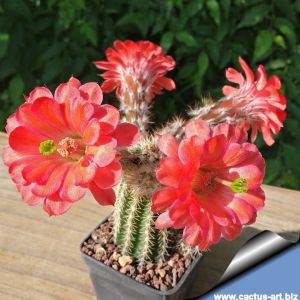
It is a very untypical Echinocereus that does not take on the usual hedgehog shape. It is long and vine-like with slim, pendant sprawling stems, usually tangled with many branches up to 250 cm long. Rare in cultivation. Beautiful long orange-red flowers.
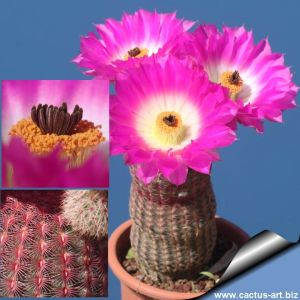
Flowers are gigantic intense hot pink-purple, abundant and scented, 5-7 cm long. Echinocereus reichenbachii is cold-hardy and endures severe frost as long as it is kept dry.