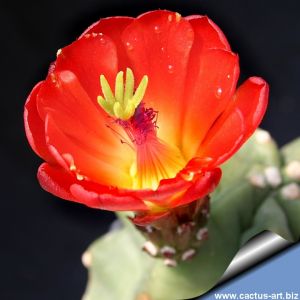
This is a very nice plant. The varietal name ‘inermis’ means unarmed, referring to the lack of spines.
The heavy and waxy flowers are red or orange with green stigma in the centre.
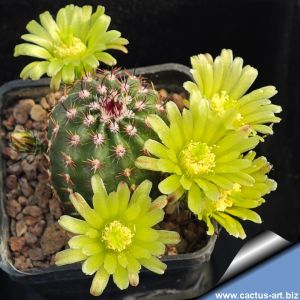
Echinocereus viridiflorus is a small, globular to cylindrical cactus with colorful spines and spring-blooming yellow-green funnel-shaped flowers. Its resilience to cold makes it a favorite among succulent enthusiasts in cooler climates.
It can grow as many as about 50 stems in a relatively large clump. They bloom from April through July, and are very showy. Blooming generally begins 7 to 10 years after sowing, as the plant matures. In cultivation it often grows for a long time solitary.
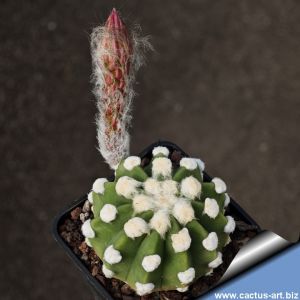
A spineless wonder blanketed in creamy-white woolly areoles. Mature plants produce dozens of pristine white flowers simultaneously, each over 20 cm tall long - an ethereal display when in full bloom.
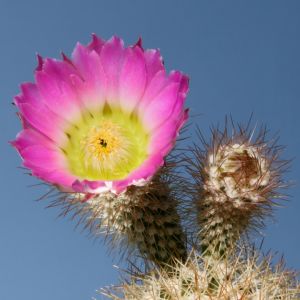
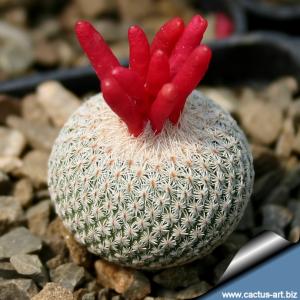
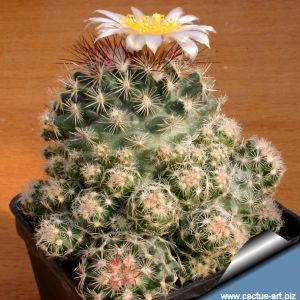
Tiny globose cactus with flattened, depressed top, appearing white-gray from dense microscopic spines. Small pink blooms yield bright red fruits that pop against the pale spiny body - a striking natural contrast.
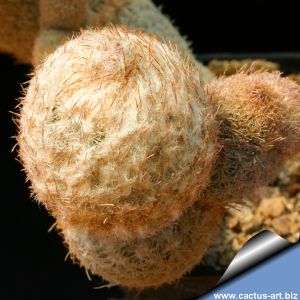
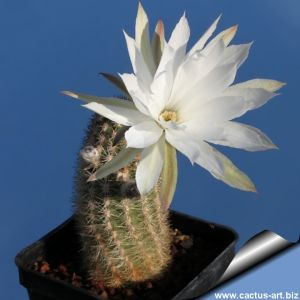
Tiny, clump-forming species. Elongated, slender stems (1–3 cm in diameter) with beige spines; the longest emerge from a dense woolly apex and have rust-colored tips.
Not frost tender. Plants are very cold-hardy, tolerating temperatures of -25°, they are also quite tolerant of winter wet. (In good drained soils). It can easily grows outdoors in central and southern Europe and will blooms freely.
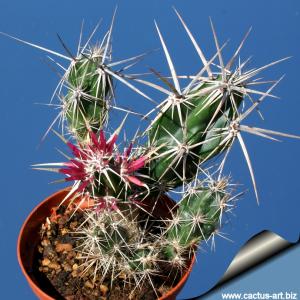
This is a beautiful mat forming cactus that grows approximately 20-50 cm high and up to 2 m across (or more) with stout stems and very broad formidable spines.
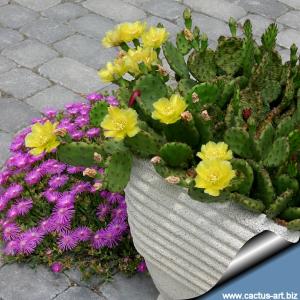
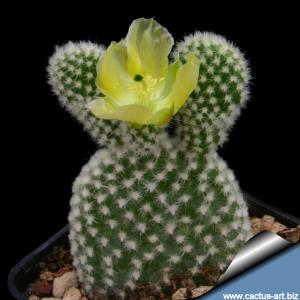
Freely clustering succulent with miniature pads. It has no spines, but instead has numerous white hair-like glochids 2-3 mm long in dense clusters. O. microdasys may look soft and touchable, but don't!
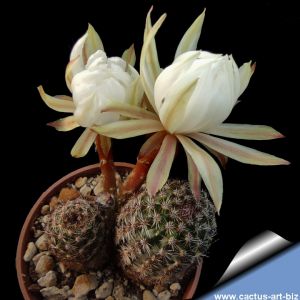
Pygmaeocereus bylesianus is a diminutive cactus with short, dense rust-coloured spines and remarkably beautiful white nocturnal flowers which open for just a single night.