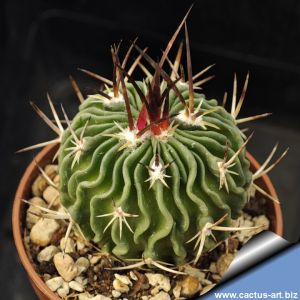
-
1
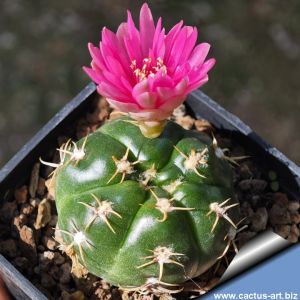
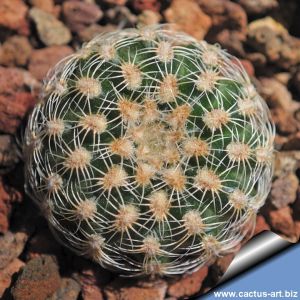
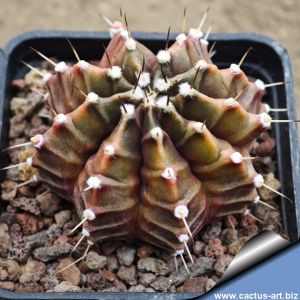
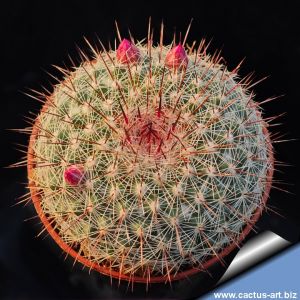
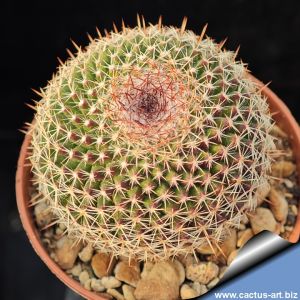
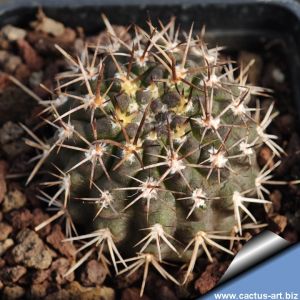
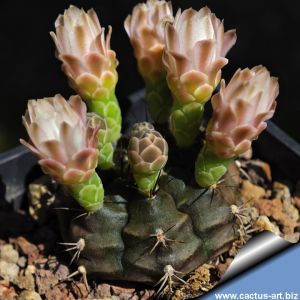
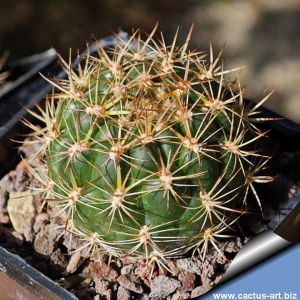
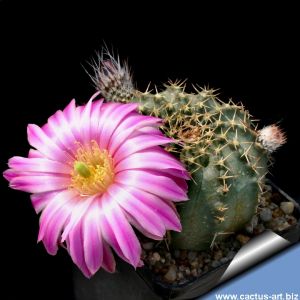
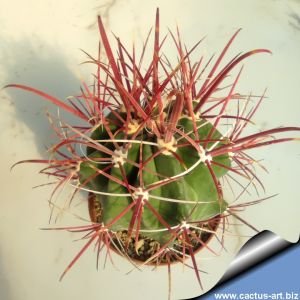
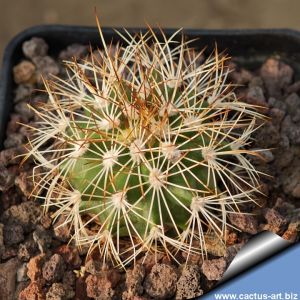
A charming Gymnocalycium hybrid with bright pink-purple flowers. The short, curled and twisted spines enhance its appeal, resulting in a truly delightful plant.
-
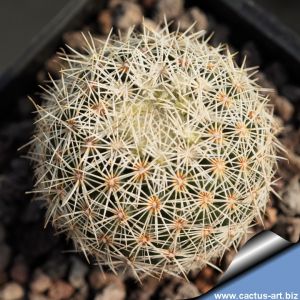
2
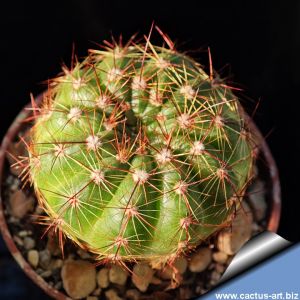
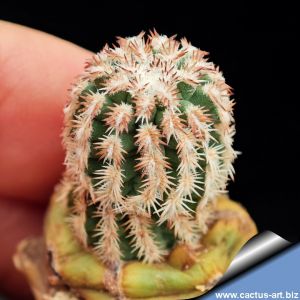
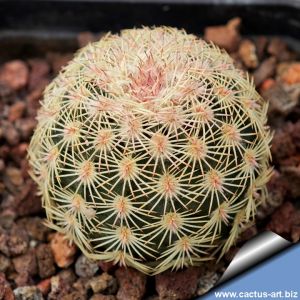
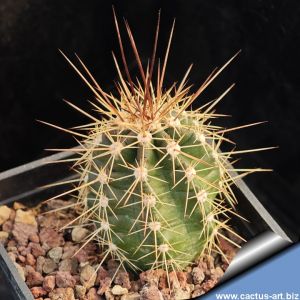
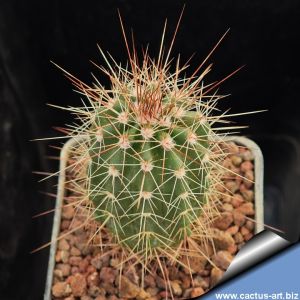
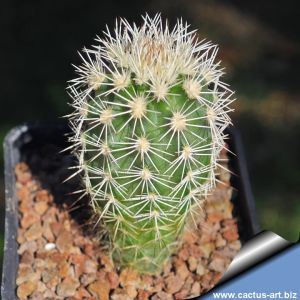
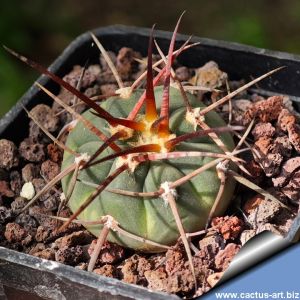
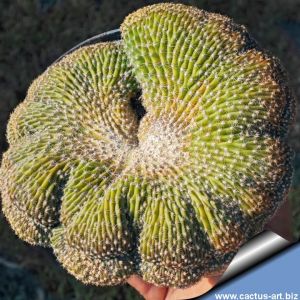
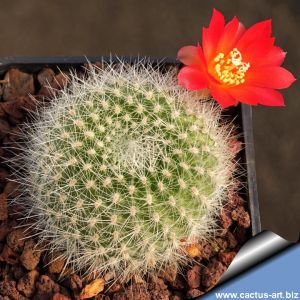
Miniature, attractive clumping cactus known for early flowering. The rubrispinus variety bears delicate, reddish, bristle-like spines, loosely spaced and airy, allowing the stem surface to show through.
-
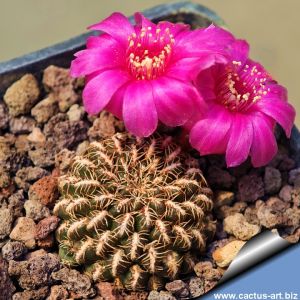
3
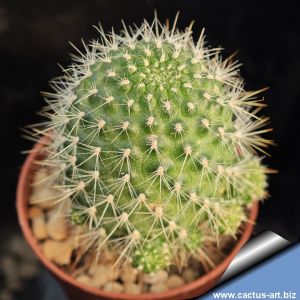
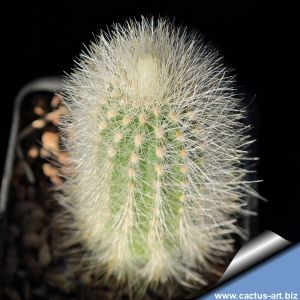
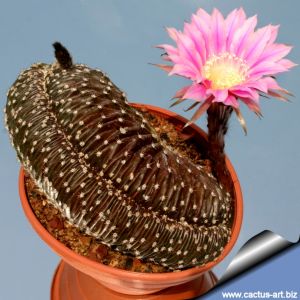
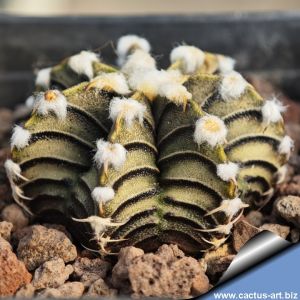
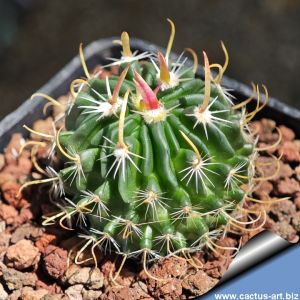
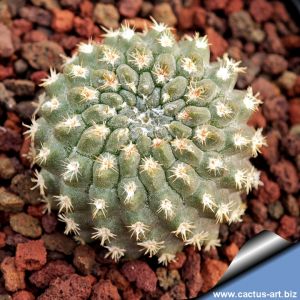
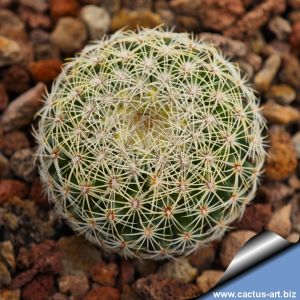
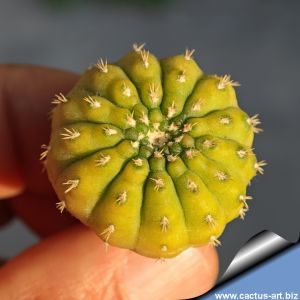
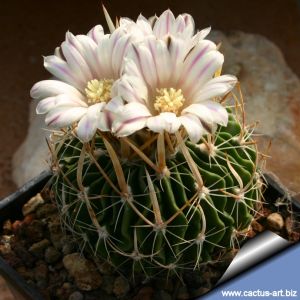
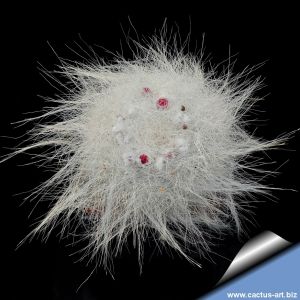
Soft, hair-like white spines. Vibrant orange-red flowers.
-
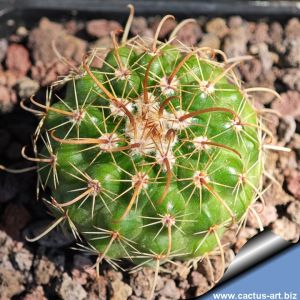
4
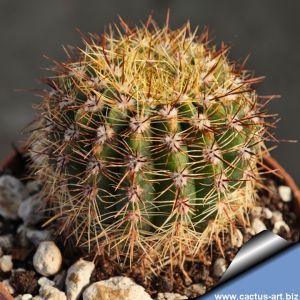
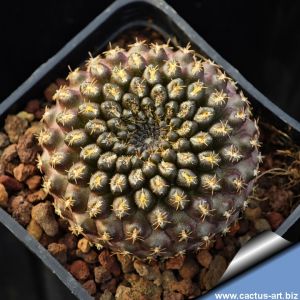
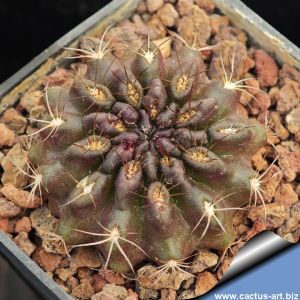
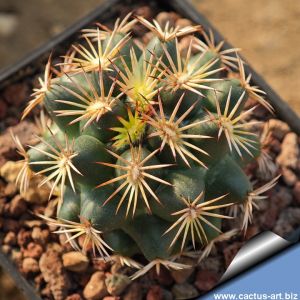
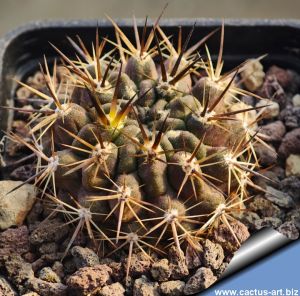
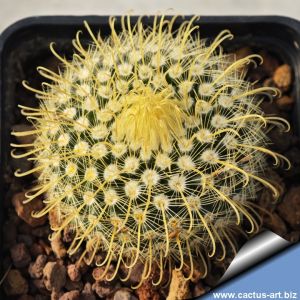
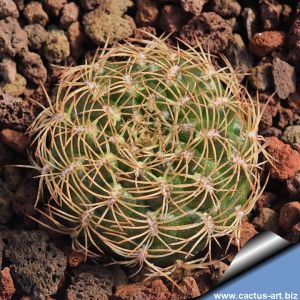
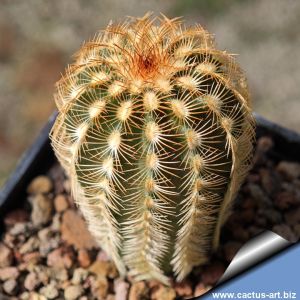
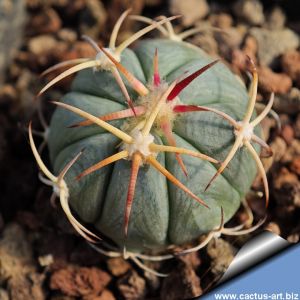
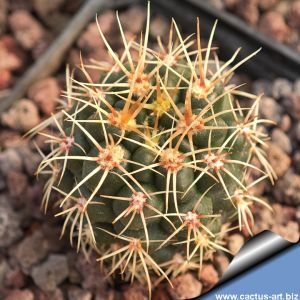
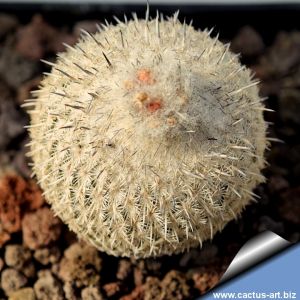
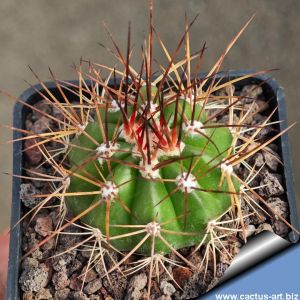
A highly ornamental Notocactus with a bright green body that branches over time. Spines range from golden yellow to amber and brown. The flower is vivid and luminous, in a rich golden yellow.
-
5
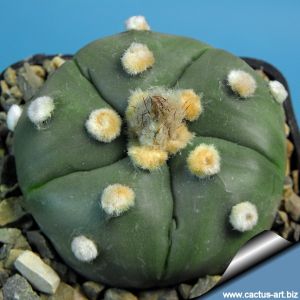
Very nice!
-
6
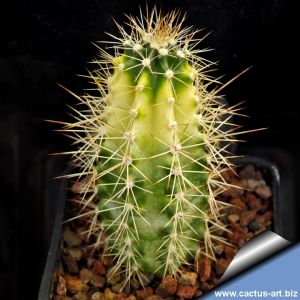
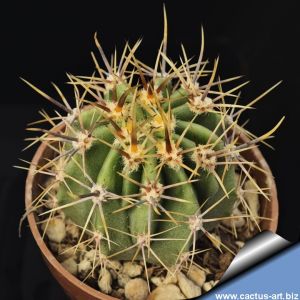
Among standard seedlings, variegated plants with yellow patches on the epidermis may occasionally appear. Selected variegates are sold in limited quantities, with no guarantee of future availability.
-
7
A striking columnar species clad in dense, woolly white spines. Uncommon in collections, it stands out for its clean, snowy look and refined presence.
-
8
Plants of the mountain population. Seedlings collected in habitat.
-
9
The var. pawlovskyi stands out with its more columnar growth and comb-like spines. Micro-endemic it found only in a narrow Córdoba region (Esperanza to El Camarón, north of Dean Funes). A geographic and morphological marvel.
-
10
This cultivar's short, pectinate spines and geometric perfection make it a collector's must. Propagation is challenging (grafting only), enhancing both its value and scarcity in cultivation.
-
11
Peculiar and rare variety with brown-purple epidermis, the intensity of the colors increases with exposure to sunlight and in winter with cooler temperatures. Pink-purple flowers.
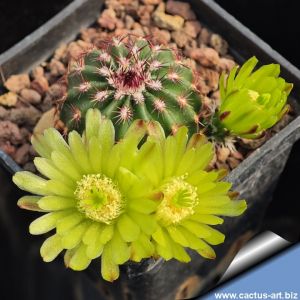
-
12
Green, pinkish grey to a deep purple body.
-
13
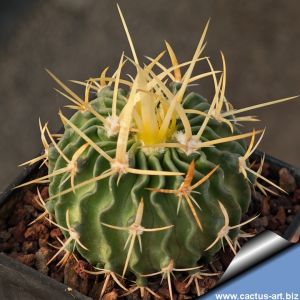
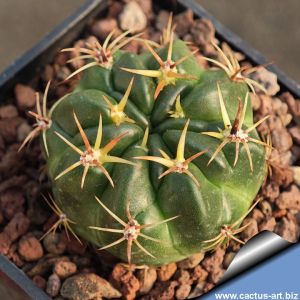
Sulphur yellow spines. Globose cactus with many slender, undulating ribs. Features crystalline white radials and 3-7 sulfur-yellow, distinctly flattened central spines, the middle one being markedly thicker.
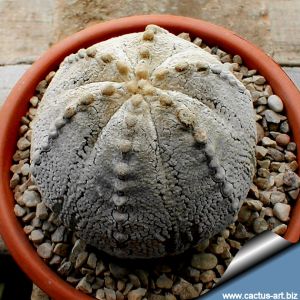
-
14
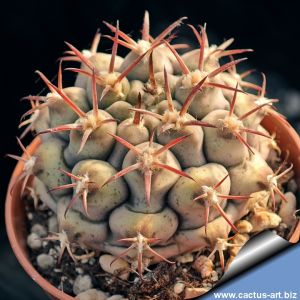
Gymnocalycium schickendatzii v. delaetii, related to G. schickendantzii, has rounded, prominent tubercles. Globose body, blue-green or gray-green. 6-7 curved spines, grayish-yellow with red tips, fading with age. A distinctive species.
-
15
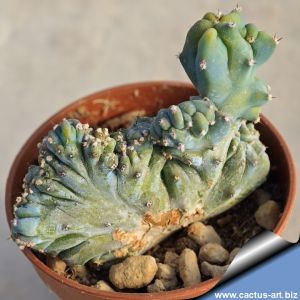
The "minima" version is a thinner and lighter variant compared to the standard forma cristata, with smaller dimensions and a sleek design that makes it instantly recognizable. Only a few pieces are available. Rare
-
16
Type A: This is the most common form with small, partially developed extra ribs. Typically, these small additional ribs do not reach the apex of the plant, lack areoles, and develop on the lateral side, situated between two adjacent true ribs.
-
17
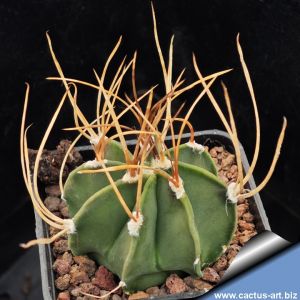
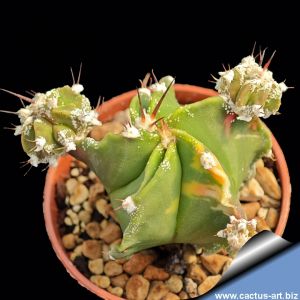
Plant with sharp green/bluish ribs sometimes tinged with purple without white flakes. Spines golden yellow or amber, long and pointing in all directions, often so densely nest wrapped that the body is barely visible and looks like a bundle of dry grass.
-
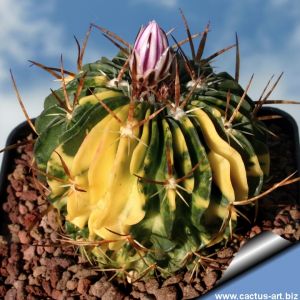
18
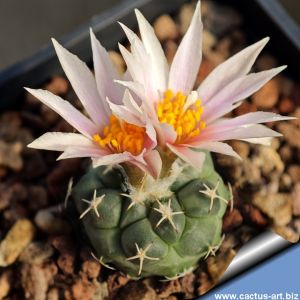
Cute! Flowers with shades ranging from pink to purple, with pectinate spines in a delicate pink-beige color. Each plant, in spring, produces 1 to 5 buds, offering a spectacular and distinctive bloom.
-
19
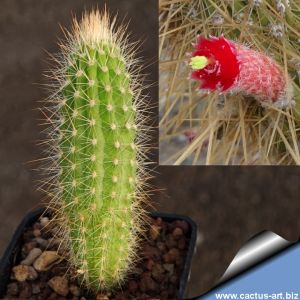
A Bolivian columnar cactus with branched stems densely covered in thin, translucent white-yellow spines, creating a "glassy" look. Bears striking orange-red tubular flowers against its unique spination.
-
20
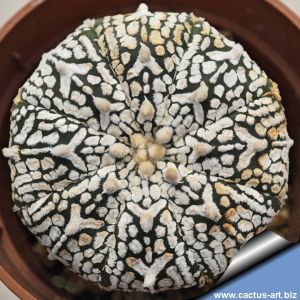
Large, flattened plants bearing short bright red flowers! They become truly impressive when mature, developing a majestic presence and stout spines.
-
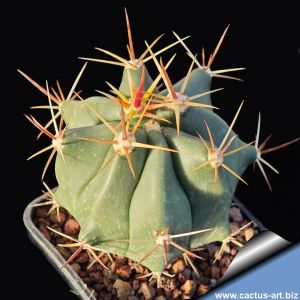
21
Very attractive plant with pointed ribs and pinkish-gray bodies striped with darker purple-tan bands. The areoles are very wooly and nearly spineless. The spines are weak and fall over time. The flowers are pale pink, appear freely and open up entirely.
-
22
Long flower tube, pretty reddish-orange flowers. Older plants grow basally branching, needle-like spines.
-
23
Rare variety that differs from the typical E. palmeri by having smaller stems with tuberculate ribs and fewer radial spines. The flowers are deep magenta.
-
24
Striking plants featuring elongated areoles and spines aligned in a comb-like pattern.
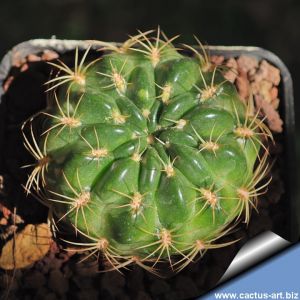
-
25
A small, globular cactus featuring white radial spines and hook-shaped central spines. The flowers, unusually large for a mammillaria, have long tubes and a vibrant pink hue.
-
26
"UN PICO" variety with a single central spine per areole, sourced from selected plants. It becomes more intriguing as it matures. Exceptionally beautiful specimens.
-
27
Solitary cactus with a subglobose to globose stem, gray-green with coppery hues. Spines are short but sturdy, about 10–15 mm long, and densely packed. (Synonym: Neoporteria curvispina var. choapensis).
-
28
A nice form with a larger stem and elegant white flowers.
-
29
A nice form featuring a green-bluish body, short, stiff, white spines, and striking large white flowers.
-
30
Buds concealed in woolly crowns erupt into flowers more vividly colored than typical schwarzii. Pink petals with magenta midribs create iridescent depth. A chromatic upgrade that makes this variety stand out in any collection.
-
31
A fascinating variety from the high altitudes of Argentina, characterized by orange flowers and prominent central spines.
-
32
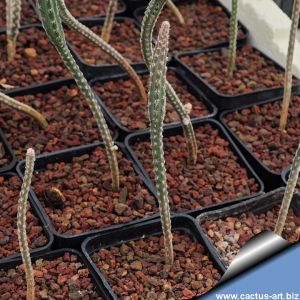
A tall, slender cereus with thin, dark brown stems, huge dahlia-like tuberous roots, and very short black spines. Striking reddish flowers! Hard to find in commerce.
-
33
A dwarf species with yellow, hooked spines and vivid yellow flowers. Compact yet highly ornamental, thanks to the striking combination of curved spines and bright blooms.
-
34
A very spiny, clump-forming species with robust stems and numerous needle-like spines; The central spines are longer and sharper, dull white to brownish with darker tips. Flowers with long spiny tubes and red-orange petals.
-
35
Flattened body with numerous thin, wavy ribs, long, paper-like spines, and blooms with a distinct darker central stripe.
-
36
White radial spines, red-orange or tan central spines, and white wool nestled between the tubercles. The purple flowers measure up to 12 mm in length.
-
37
Compact, flattened stem, either solitary or branching over time, covered in numerous small, tightly clustered tubercles. Radial spines are short and white, while central spines are brick red. Truly stunning!
-
38
White spination, nice pink flower, very large.
-
39
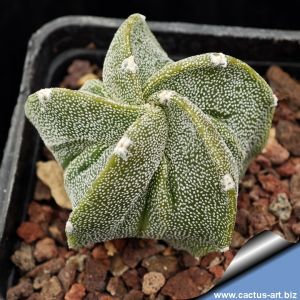
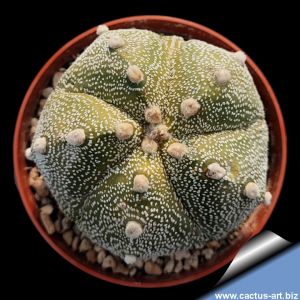
A hybrid between A. myriostigma and A. asterias—two species that are generally non-interfertile and rarely produce viable seeds. Among the very few seeds available, only a handful develop into striking and exceptionally rare five-ribbed plants.
-
40
Lovely spines! Amber-yello to fox-red color, twisted, and enveloping the tiny flat body. Yellow-orange blooms – a stunning form!
-
41
Hardy plants for rock gardens or sunny balconies—thrives year-round! Cold-resistant . (Winter hardy/Winterhart). Massive fuchsia blooms appear in June and last remarkably long.
-
42
Hardy plant native to the cold mountains of Colorado, featuring greenish-yellow flowers with a delightful lemon scent. Perfect for rock gardens and sunny balconies, this cold-resistant species can thrive even in harsh climates. (Winter hardy/Winterhart)
-
43
These prized Astrophytum hybrids combine A. asterias "SUPER KABUTO"'s large white spots with A. coahuilense's fluffy, wool-like flecking. Their five symmetrical ribs showcase nature's perfect balance of rarity and geometric beauty.
-
44
A small high-altitude Andean cactus with a distinctive flattened form, typically solitary (occasionally forming small clumps), featuring a fresh green body and pale brown to creamy-yellow spines. Large red flowers.
-
45
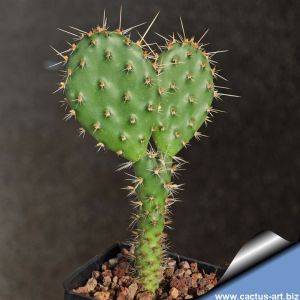
Ultra-hardy (-45°C) tall prickly pear with colorful stout spines (red/white/blue-black/brown/purple)
-
46
Stem dark brown, round to slightly elongated. Spines are somewhat curved upward, grayish-brown. Flowers are creamy yellow, sometimes flushed with red.
Syn.: Pyrrhocactus setosiflorus var. intermedius.
-
47
Petite variety featuring smaller body and shorter spines compared to other forms.
-
48
Flattened glaucous-gray body with sword-like beige-purple spines addpressed and pointing downward. They grow stronger and more vibrantly colored as the plant matures, becoming increasingly magnificent.
-
49
A slow-growing botanical treasure, cloaked in dense white-to-yellow radial spines. Central spines, brown in color, appear only several years after germination, culminating in a dramatic display. The vivid yellow flowering is truly spectacular.
-
50
Astrophytum hybrid OR-MY (A. ornatum × A. myriostigma), nude and variegated. Rare naturally branching specimens with smooth green skin and unique cream, yellow, or pink variegation. Highly collectible and sporadically available.
-
51
Dark-bodied ribbed cactus that abundantly produces pearly-white flowers with pink tinges. Blooms profusely even when young, creating spectacular displays of delicate flowers that starkly contrast with the dark stem.
-
52
Extraordinary Echinofossulocactus (Stenocactus) with rare body variegation. These mutants occur sporadically in cultivation. Each specimen is hand-selected and sold separately. Limited availability, no restock guaranteed.
-
53
Solitary or clustering plants with large, prominent tubercles and yellow flowers. Similar in appearance to Weingartia riograndensis.
-
54
Stunning spines: long, broad, and tough, with a rich brown color. A uniquely beautiful variety, chosen for its dramatic presence.
-
55
Exceptional flattened cultivar in yellow-green, dotted with tiny spines. Its chromatic uniqueness and architectural form make it a collector’s must-have. Limited stock.
-
56
Massive yellow blooms! Flowers while still a young seedling. Perfect for impatient growers who want quick results without waiting years for first flowers.
-
57
A.k.a cv. Goryo Kabuto (Five Ribs) + Ruri in Japan - Unusual form featuring just 5 smooth green ribs, contrasting with the species' standard 8-rib morphology. These rare 5-ribbed specimens are exceptionally uncommon and highly prized.
-
58
Low-growing greyish stem with short white spines. The charming short pink flowers add a delicate touch to this neat, compact plant. Absolutely lovely!
-
59
Special "Fly's wings" variety - Displays striking white V-patterns at every areole (like fly wings),
rarely seen in standard 'Super Kabuto'. The markings develop beautifully with age. Exceptionally attractive!
-
60
Clumping globular/columnar cactus reaching 80 cm. Stout spines from large horn coloured areoles. Its long white flowers feature dark scales with striking white, black, and red hairs at the base. Truly eye-catching!
-
61
Remarkable hybrid blending the vibrant red spines of Ferocactus gracilis with the exceptional length of F. rectispinus. A crown jewel for collectors who love dramatically colored, formidable spination.
-
62
Ultra-rare crested form of the renowned Echinopsis “Madame Pele”. Bicolored petals in deep vermilion, with electric magenta edges. Only a handful exist—an extraordinary find for serious collectors. Passa al vecchio editor
-
63
Globose cactus with tightly packed, undulating ribs. Papery spines range from snow-white to yellow to blood-red to jet-black, featuring three distinctive non-annulate centrals (middle one flattened). The blooms blush white with purple veining.
-
64
Powdery gray miniature globe cactus. Juvenile plants bear only white radial spines, developing distinctive black-tipped central spines with maturity. Grows very slow, eventually forming tight mounds - a true collector's gem.
-
65
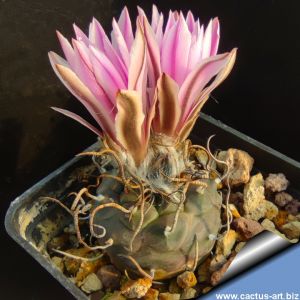
Diminutive globose cactus with depressed woolly apex and bundled swollen root. Interwoven radial spines - white with brown or black tips - create a lace-like armor. The stunning deep purple blooms with white centers crown this miniature treasure.
-
66
A globular cactus that becomes cylindrical with age, densely covered in long, silky white hairs and wool between tubercles. In spring, it blooms with a crown of purple-to-pink flowers, resembling a pristine cotton puff.
-
67
Stems clothed in long, glassy-white bristly spines creating a crystalline effect. Very showy large carmine flowers project upwards and outwards from the plant's lower sections, making a dramatic display.
-
68
Hybrid between M. ernestii and M. glaucescens - exhibits blended traits from both parents. The striking white cephalium makes this cross particularly distinctive and valuable for collectors.
-
69
Crowded with jet-black, upward-pointing central spines (flattened like daggers) atop undulating ribs. Among Echinofossulocactus, this is one of the most beautifully armed.
-
70
Juvenile plants wear a smooth "armor" of short, white flattened spines. At maturity, dark central spines erupt, creating a striking before/after effect. The years-long transformation rewards patient growers with a true botanical spectacle.
-
71
Burnished copper-colored body with pectinated sandy-brown spines. Flowers ranging from blush-red to rich magenta create a striking visual interplay between the plant's metallic base and its jewel-toned floral display.
-
72
Spherical green stem with marked tubercles and woolly crown. Its 2cm long, strong, hooked spines transition from amber/copper in youth to grey with maturity.