-
1
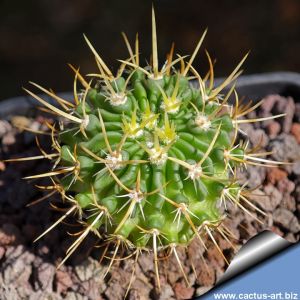
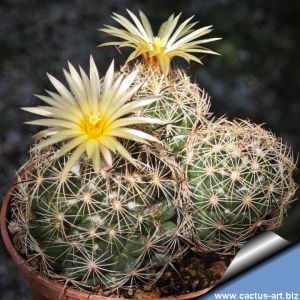
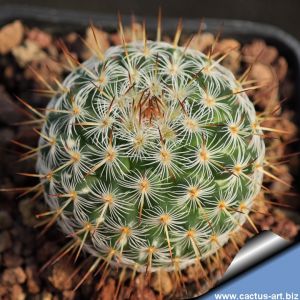
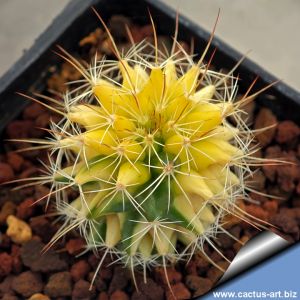
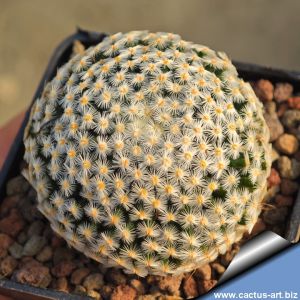
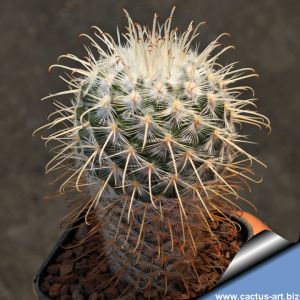
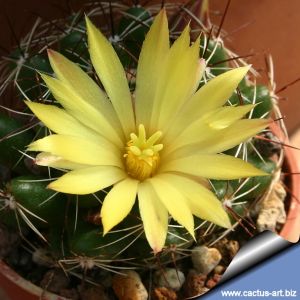
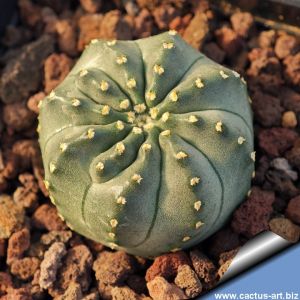
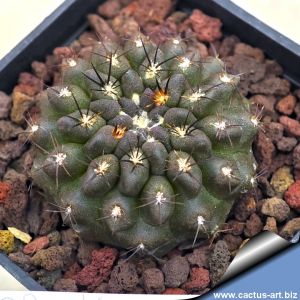
Miniature pagoda-like stem with stacked conical tubercles. 4 soft, cork-like spines and unique yellowish-green flowers (2-3cm). The Latin name literally means "yellow-flowered", highlighting its most prized feature.
-
2
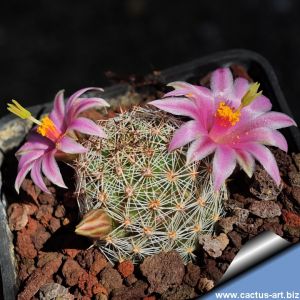
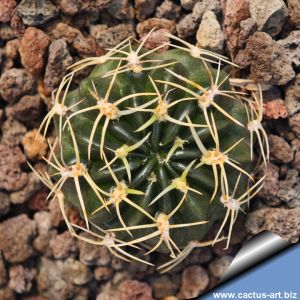
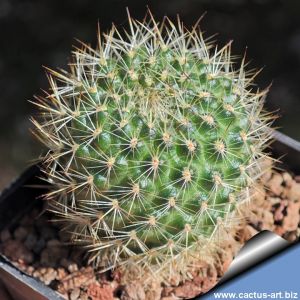
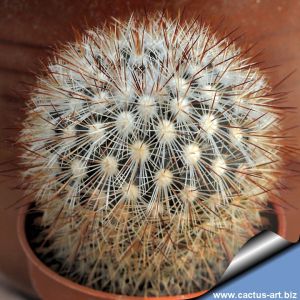
Native to Sierra de Álamos (Mexico), M. alamensis coexists with M. pseudoalamensis but reveals its identity only through green pistils - starkly contrasting with the latter's dark orange. Without blooms, they're perfect morphological duplicates.
-
3
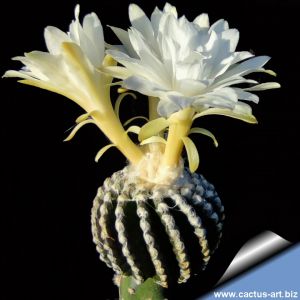
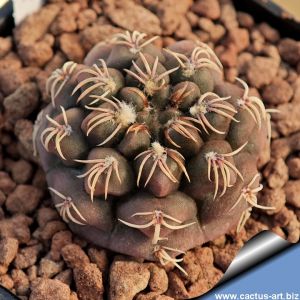
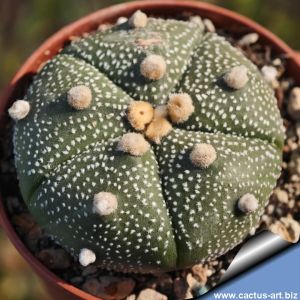
Obsidian-black disc body crowned by a cream cephalium. Tiny chocolate spines cling tightly downward like hummingbird talons. Each detail conspires in extraordinary harmony. On summer nights, transforms, erupting in sweetly-scented white blooms.
-
4
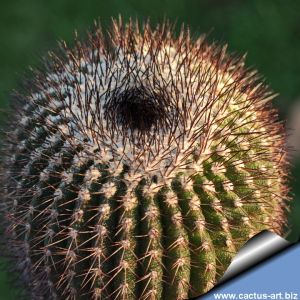
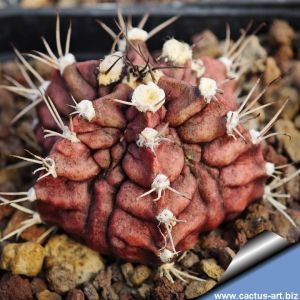
A geometric wonder with leathery green to bronze reptilian skin. Its woolly gray crown offsets amber-reddish juvenile spines that mature to graphite, all comb-aligned with mathematical precision. Nature's sculpture at its most symmetrical.
-
5
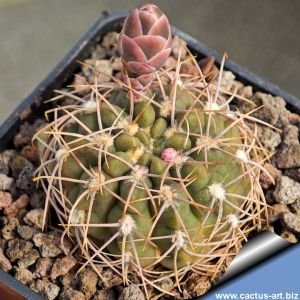
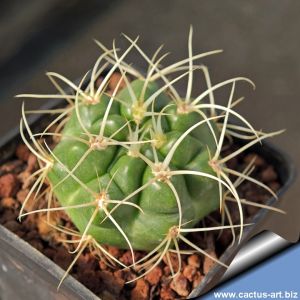
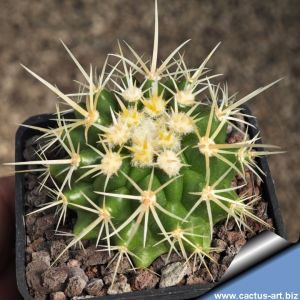
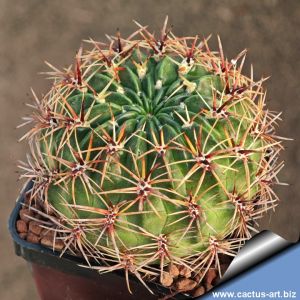
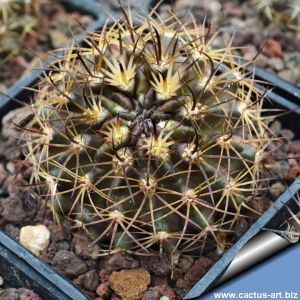
Solitary globose cactus with pale green skin and gracefully undulating ribs. Distinguished by sulphur-yellow central spines (one towering to 5cm) and 7-8 yellowish-white radials. Flowers yellow or ethereal pinkish-white.
-
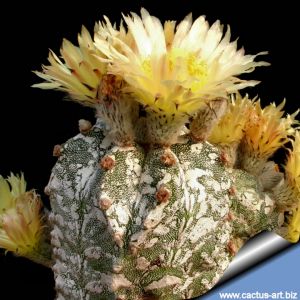
6
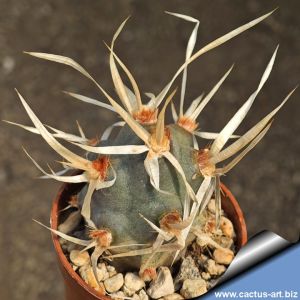
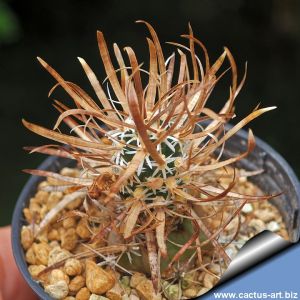
Ash-grey globular segments with broad areoles covered in orange bristles. The long, translucent-white spines flatten into papery blades, resembling frozen lace. Nature's perfect marriage of fiery bristles and icy-looking armament..
-
7
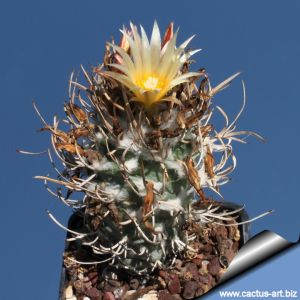
Solitary flattened stem with a depressed woolly apex (spine-free). The backward-curving, interlacing spines (up to 2.5cm) are greyish or brownish with dark tips. Produces white or pale pink blooms.
-
8
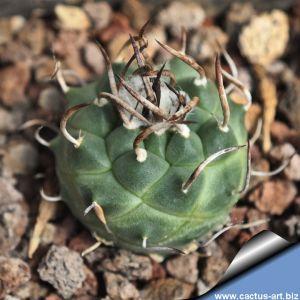
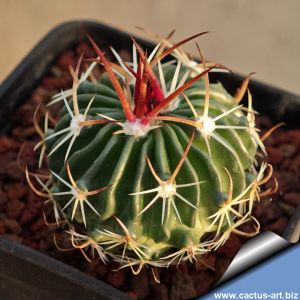
Flat, disk-shaped stem with stout, tusk-like spines pressed against the body. Stunning purple-magenta
flowers feature a white central ring, white stamens, and green throat — a must-have for Lobivia enthusiasts!
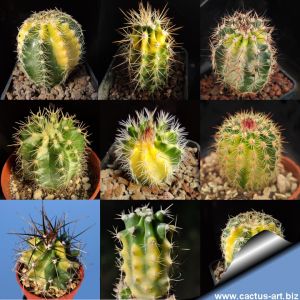
-
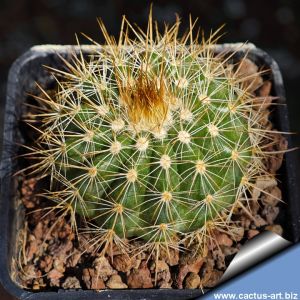
9
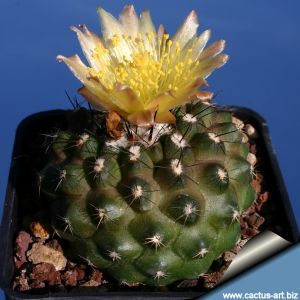
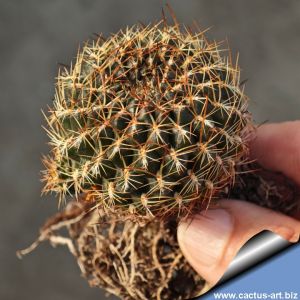
Globose with thin radial spines and partially recurved central spines, 2–3 cm long, dark reddish-brown. Flowers pale yellow with a characteristic silky sheen, fading toward the tips to a bright creamy hue, creating an elegant and distinctive appearance.
-
10
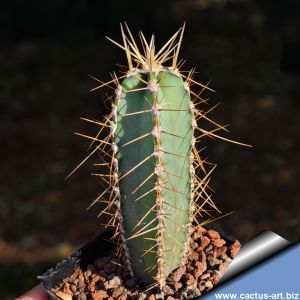
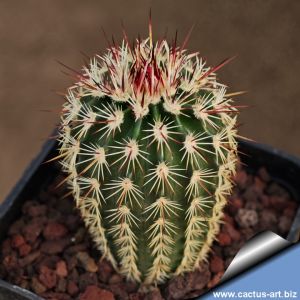
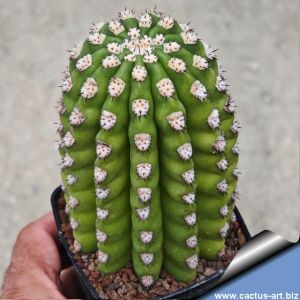
Columnar blue-green stem adorned with large, brilliant white areoles bearing long, straight spines that range in color from pale straw-yellow to ochre, brown, and even black.
-
11
"SAZNAMI" is one of the finest Japanese clones. Its ribs bear many raised, wavy ridges, each crowned with an almost unbroken line of white felt. Proliferation of shoots along the ribs creates a lush, dramatic form, making it a standout specimen.
-
12
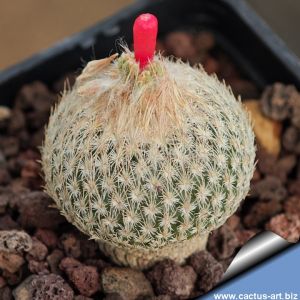
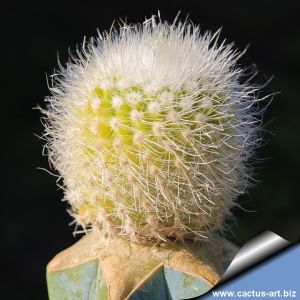
A small, low-growing cactus with thick, turnip-like roots. The stem is depressed and ranges from olive-green to tan. It produces abundant wool at the apex and, while sometimes solitary, usually forms clusters at the base.
-
13
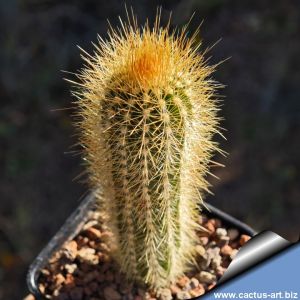
Pilosocereus chrysostele ("Golden Torch Cactus") is a Brazilian columnar species with branched, erect stems in gray-green/blue hues, densely covered in whitish woolly bristles and golden spines. Grows tall
and produces large nocturnal flowers.
-
14
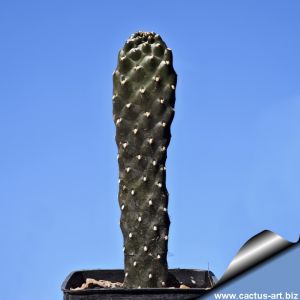
A relative of the prickly pear, this upright, geometric cactus has flat, dark green pads arranged in an orderly, almost two-dimensional form. It features inconspicuous spines and a sleek, sculptural appearance.
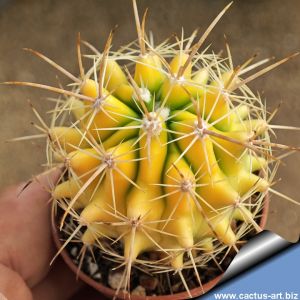
-
15
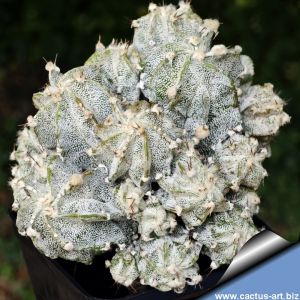
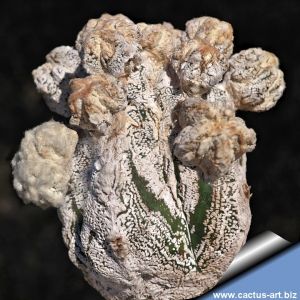
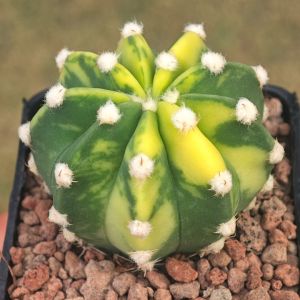
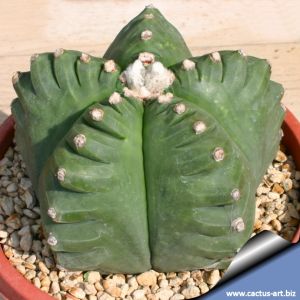
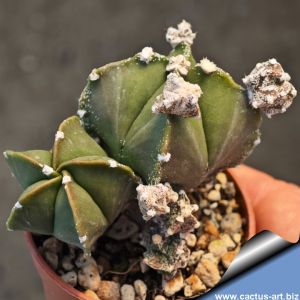
‘Snowy Peter’ is an Astrophytum hybrid derived from A. myriostigma and A. ornatum. Its defining feature is the symmetrical proliferation of lateral shoots from the areoles—a trait not found in either parent.
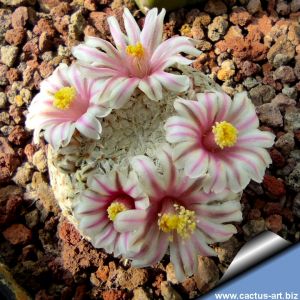
-
16
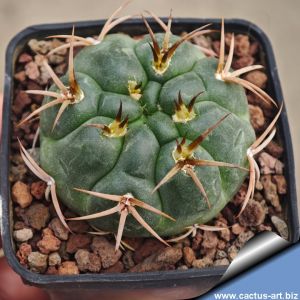
Derived from complex crosses involving A. myriostigma and various other forms, this cultivar features tightly packed woolly dots arranged in distinct vertical bands in a unique exceptional surface design.
-
17
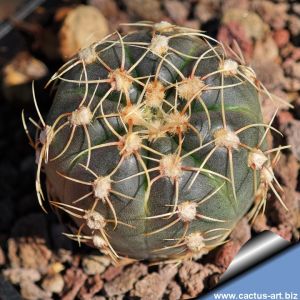
A unique cactus with large white flowers. Var. steineri stands out for its golden, translucent, curved and flexible spines, arranged in fan-like clusters or intricate tangles. Compared to the typical form, it captivates with the beauty of its spine.
-
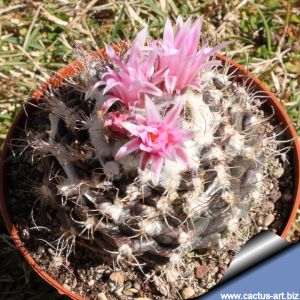
18
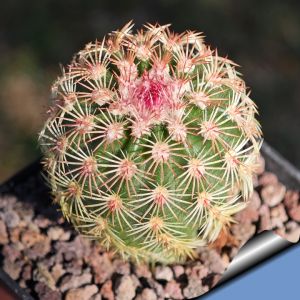
Among the most attractive clones of the “Fred” variety, it features many small heads—unlike the typical form. Smooth, spineless, glossy, and fleshy stems coalesce into dramatic, visually striking mounds.
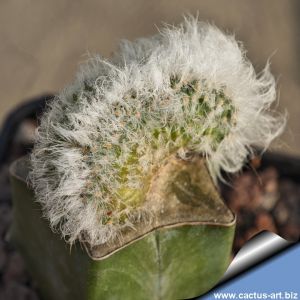
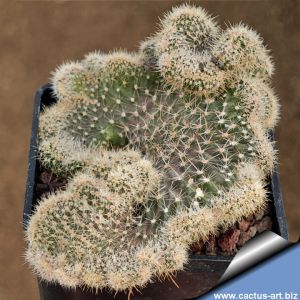
-
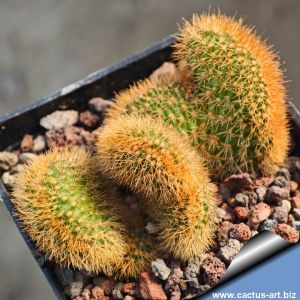
19
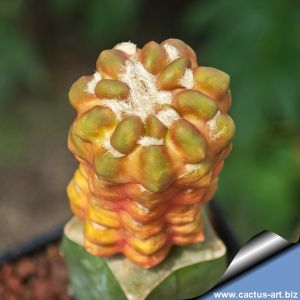
Una Cintia dai colori pastello! Tubercoli a forma di fagiolo color oliva chiaro che degrada dolcemente in toni pesca e ambrati verso la base. L’effetto cromatico risulta delicato e unico, con variegature stabili e non reversibili.
-
20
Native to Uruguay, this globose-flattened cactus features, spider-like spines that vary in shape and length. But its real wonder lies in the brilliant yellow flowers.
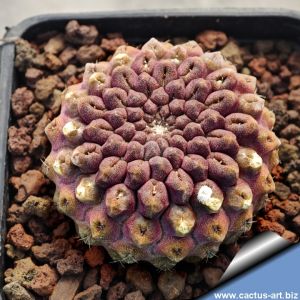
-
21
Dull green heads with with strong, curved spines! It rewards patience with lovely peach blossoms. A germination challenge: sow its dust-like seeds in a sealed jar and keep humid for a full year. The wait is absolutely worth it for the result!
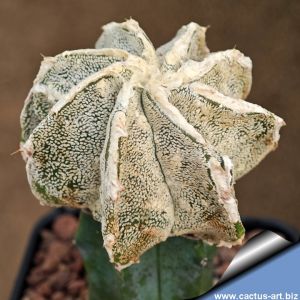
-
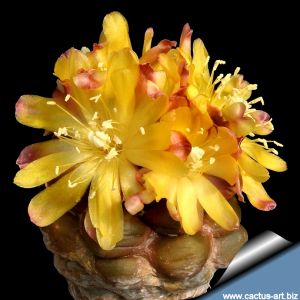
22
A newly described and rare species, Parodia juckerii displays golden-yellow to ochre spines, with one elongated central spine giving it a distinctive look. Its small size and vivid coloration make it a sought-after gem in specialist collections.
-
23
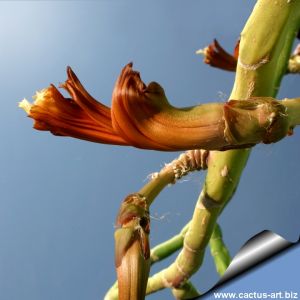
A beautiful plant with dark green stem, few thick, curved spines, and short red flowers. Its simple yet bold structure and vivid blooms create a strong visual impact.
-
24
This is the authentic, original intermediate form of Echinocactus grusonii, distinct from the common commercial variant. It features spines shorter than the classic type and straight in conformation, never curved. A rare find for collectors.
-
25
Selected seedlings of Echinocereus with bodies variegated in yellow, white, or pink (various species and hybrids). Each plant is unique, with different percentages of variegation and color. All are interesting and special specimens.
-
26
Rounded body with white radial spines and stouter, dark central spines. It produces vivid carmine red flowers. In its natural habitat, it grows in association with Mammillaria kraehenbuehlii, sharing the same arid, rocky environment.
-
27
An explosion of color! Sturdy, distinctly bicolored spines (white and red) arranged symmetrically. Large flowers in silky pink with intense red throat, extremely showy.
-
28
Plant with pale green epidermis. Tubercles are flattened, four-angled (diamond-shaped), broad and stumpy. Bears 1–3 spines per areole, one notably longer. Flowers are white.
-
29
One of the most vigorous and earliest-flowering cacti. It blooms abundantly at a young age, producing flowers mostly in bright orange or red tones. Its precocious and prolific flowering makes it ideal for growers seeking quick, colorful results.
-
30
Globular when young, later branching; skin green to bronze-purple. Ribs divided into large elliptical tubercles. Areoles broad, covered in light brown felt. Radial spines golden-brown. Flowers yellow, golden-yellow, or orange.
-
31
Bellissimi ibridi robusti con corpo porpora e spine ridotte o assenti. Combinano le caratteristiche di E. occulta, dal portamento basso e appiattito, con la struttura a piccoli tubercoli di E. odieri.
-
32
Plants grown from seed and entirely on their own roots, never grafted, selected for pronounced yellow stem variegation. They produce purplish flowers, confirming the species’ typical tendency toward early blooming, even at a young stage.
-
33
A remarkably beautiful cactus, Toumeya papyracantha is seldom encountered in horticulture. Due to challenges in self-rooted cultivation, it is typically grafted onto cold-hardy Echinocereus.
It can withstand freezing temperatures down to -12°C or below.
-
34
Grows in low, spreading mats of small stems bearing long tubercles and fine, long spines that envelop the plant like woven threads, resembling a bird’s nest. he "albescens" form has white-cream spines and flowers.
-
35
Flowers from pink to soft violet and comb-shaped pink-beige spines. Each plant gifts up to 5 buds in spring, creating a magical display.
-
36
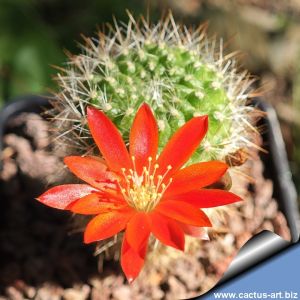
Soft, white, silky spines and closely packed light green tubercles. It blooms generously with striking vermilion flowers that contrast vividly against the pale body.
-
37
The extremely elongated areoles, bearing short, pure white spines, give this plant a truly distinctive appearance, making it instantly recognizable. Its unique and characteristic structure makes it a rare cactus, prized for its unusual look.
-
38
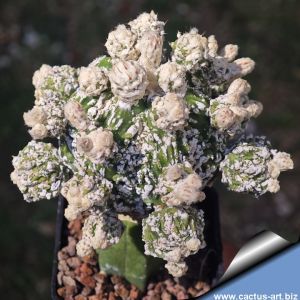
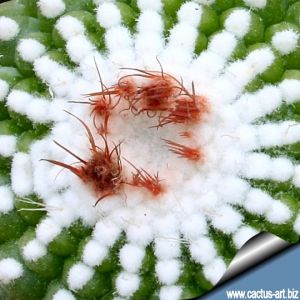
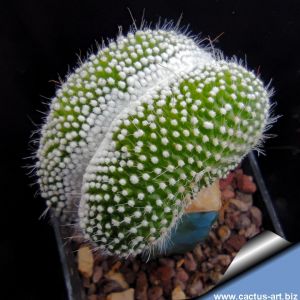
Monstrous and soft! Spineless, with white woolly areoles arranged in perfect symmetry on the green body. Over time it branches, forming small clusters.
-
39
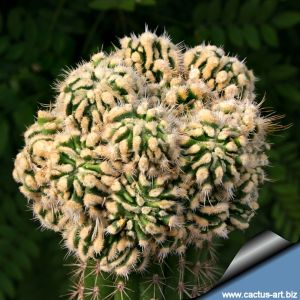
This is the beautiful crested form of Notocactus scopa f. inermis — monstrous and soft to the touch. Nearly spineless, it bears white woolly areoles arranged in perfect symmetry along its green stem.
-
40
Flattened green stem with spines ranging from amber to ochre and brown. Develops a large, fleshy tuberous root, often showing a distinct constriction at the neck.
-
41
Rara varietà con corpi compatti. Durante la stagione vegetativa, produce alternativamente spine centrali corte e lunghe, di colore rossiccio con toni grigio-violetti. Questa alternanza annuale crea un caratteristico motivo ad anelli sovrapposti.
-
42
Ball-shaped cactus with wavy-margined ribs. White areoles bear 5–12 spines, the upper one flattened and wide, reddish-brown. Spring-blooming with pale yellow to pink flowers, each petal featuring a purplish-red stripe.
-
43
Abundant green flowers bloom near the base. The spines show a wide range of colors, from pale to reddish, frequently ending in darker tips that create striking horizontal bands across the plant.
-
44
A magnificent golden variant featuring a vibrant lemon to yellow-green stem that stands out dramatically against its delicate, snow-white spines. Radiant and sophisticated in appearance.
-
45
Stunning cultivar with large white, spineless areoles that create a striking contrast against the yellow-and-green variegated body. The visual effect is elegant and eye-catching, enhanced by the soft woolly texture and vibrant color patterning.
-
46
Stunning variegated specimens displaying vivid bright yellow and pale green hues. Carefully chosen from many green seedlings due to their rare color mutation. Once-in-a-while opportunity, as similar plants may not be available anytime soon.
-
47
Tiny small cactus with feather-like spines arranged helicoidally. Flowers are white with striking
magenta-striped petals—a delicate and beautiful contrast.
-
48
Gymnocalycium robustum (as the name suggests) is a strong, rugged cactus species with thick ribs and rounded podaria (tubercles). It bears few short spines, mostly pointing downward, and develops thick floral tubes and fleshy fruits.
-
49
Awl-shaped spines that are rigid, straight or slightly curved. Their pointed, elongated form gives the plant a strong, sharp appearance, making it visually distinctive and clearly recognizable.
-
50
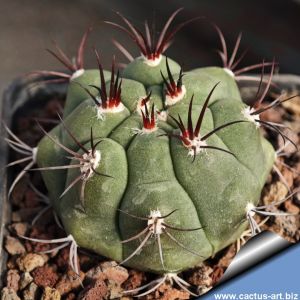
Found on grassy, rocky slopes, this cactus has a dark green body with pronounced tubercles and an a slightly sunken apex. The spines are white and brown, with longer central ones. It blooms with striking carmine-red flowers.
-
51
This rare Japanese cultivar is distinguished by ribs segmented into sharp tubercles, producing a distinctive “saw-tooth” outline. The nudum form has a smooth, plain green body with no white spotting. Natural variation ensures every plant is one of a kind.
-
52
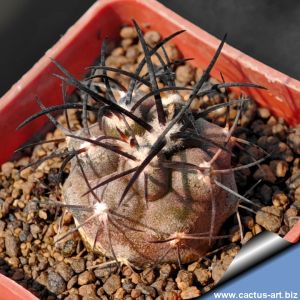
This is the mountain form of Copiapoa griseoviolacea, the most beautiful and characteristic variety. It has a brownish-violet globular body and abundant jet-black spines that are strong and elegantly curved. A rare and remarkable plant.
-
53
Beautiful clumping form with soft, low flat stems that tend to produce offsets over time. It displays tightly packed, cream spines with yellow
bases, radiating from each areole—short, pubescent. Elegant and unique.
-
54
Compact and rounded, this bluish-grey cactus features broad white woolly areoles and slender, curved spines of glassy white with darker ends. It produces clusters of vivid pink flowers at the top, making it highly decorative.
-
55
Vigorous plants with a rounded body becoming cylindrical over time. Dense, delicate pale pink spines and pink flowers. Very attractive.
-
56
Rare crested form of the juvenile stage of Echinocereus neocapillus, characterized by dense, soft, white bristles resembling fine hair. Crested plants retain this youthful appearance indefinitely.
-
57
Crested form of Hildewintera aureispina (Golden Rat Tail), with thin, wavy stems densely covered in short, bristly yellow-orange spines. It quickly forms broad, golden cushions with a striking ornamental appearance.
-
58
Small globose cactus with oval areoles and hyaline white spines tipped brown. Blooms from spring to summer with flowers ranging from orange to carmine red.
-
59
A cultivated form of Mammillaria bombycina, var. albispina features pure white, hooked central spines faintly tipped brown. The plant’s luminous, snow-white look is strikingly elegant.
-
60
Exceptional variant of Astrophytum asterias, easily recognized by its five ribs rather than eight. A truly uncommon and sought-after form, offered in very limited availability.
-
61
These compact plants display elongated tubercles, thin white radial spines, and brown-reddish central spines. Enormous, vivid yellow flowers provide a spectacular, highly ornamental display.
-
62
A Japanese cultivar distinguished by its rough, irregular epidermis resembling reptile skin. Its ribs twist into sculptural forms, creating a primal and powerful appearance. Unique and highly sought after.
-
63
A distinctive variety recognized by its areoles connected by a continuous white woolly line running along the ridge of the ribs.
Grafted specimens. Limited and sporadic availability.
-
64
A true novelty: an extremely rare crested form of Austrocactus coxii, a small Patagonian cactus capable of enduring severe frosts. A unique blend of hardiness and collector’s appeal.
Plants grown from rooted cuttings—never grafted.
-
65
“HAKUUN” is a celebrated and historic Japanese cultivar. The plant’s five ribs are adorned with fine white speckles that coalesce into soft, cloud-like markings. It is also referred to as Astrophytum myriostigma ‘Maculatum’.
-
66
Small geophytic cactus with an olive-green globose stem covered in smooth, rounded to ovoid tubercles. When flowering, it produces large bright yellow blooms wider than the stem. Supplied grafted, single-headed, 2–3 cm in size.
-
67
Small cactus nearly spineless, either completely lacking spines or bearing ones so short they are barely visible. Over time, light green to bluish stems branch into compact clumps and produce generous pink flowers with strong ornamental appeal.
-
68
White areoles bear dense, rigid, straight spines in creamy white to ochre tones, with darker tips. Small flowers, usually yellow, appear arranged in a crown-like ring near the apex.
-
69
An extraordinary and eye-catching plant—unmissable for enthusiasts of odd and monstrous forms. Its cascading growth suits hanging baskets perfectly, and with little attention, it rewards with abundant, reliable flowering.
-
70
-
71
A dark grey-brown body with short spines ranging from brownish to dark grey-black. It produces large, bright yellow flowers that stand out vividly against the sombre stem colour.
-
72
A bizarre variety with a branching habit, producing new shoots from the areoles and gradually forming small clusters over time. The nudum form features a uniform green surface, lacking (or nearly lacking) the typical white speckles.