-
1
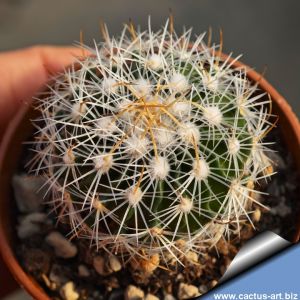
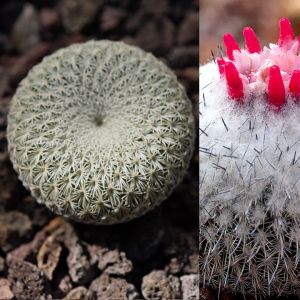
A charming miniature species that forms dense clusters over time. Adorned with white-gray spines and covered in countless pink blooms, it’s an utterly irresistible succulent.
-
2
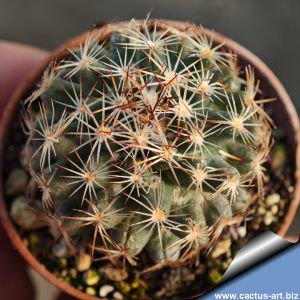
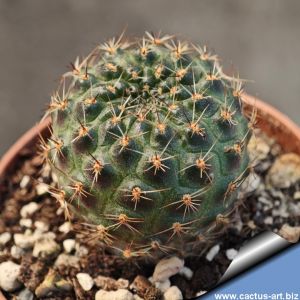
Small, yellow-green plants with short, yellowhis-beige to brown glassy spines. They bear shiny, carmine to red flowers. Very easy to grow and flower. It grows in habitat alongside Sulcorebutia tarijensis.
-
3
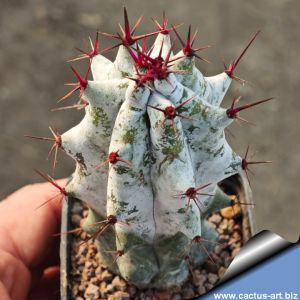
Attractive columnar cactus with a unique grey-white bloom on new stem growth. This is a selected clone, easily recognized by its bright purple-red new spines. Beautiful and rare. Rooted cutting.
-
4
A striking globe-shaped cactus from northern Argentina, bearing spectacular funnel-shaped flowers in shades of purple to carmine red, often with yellowish tones in the throat. It produces distinctive yellow fruits.
-
5
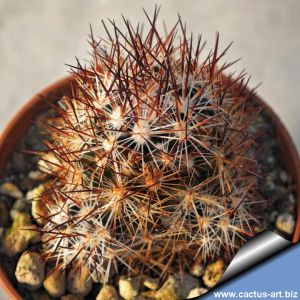
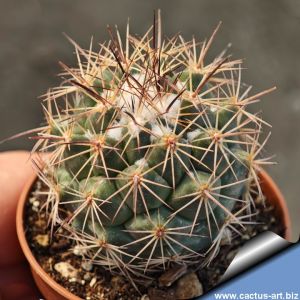
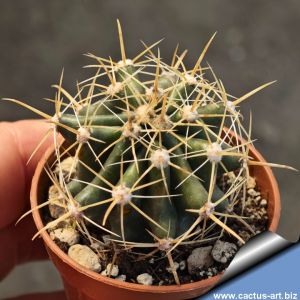
Rounded stems with wavy-margined ribs and a depressed apex. Large white areoles bear fine, nearly transparent radial spines in creamy white tones—while the central spines are flatter, longer, and amber-yellow.
-
6
A tiny species that forms dense clusters over time. Its wide white areoles hold almost transparent radial spines and long, straight central spines with tips shading from dark amber to warm mahogany tones. A truly original plant.
-
7
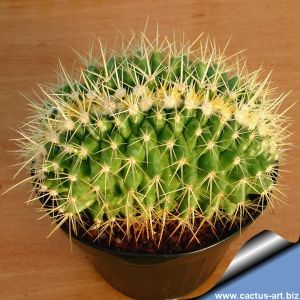
Coryphantha speciosa is a historical name, currently a synonym for Coryphantha sulcata. Popularly called "Pineapple Cactus," it is known for its grooved tubercles, robust spines, and large yellow flowers.
-
8
A selected cultivar prized for its spectacular light-colored spines—long, sturdy, and hooked, ranging from ivory to cream and soft light beige. Rare—only a few specimens available.
-
9
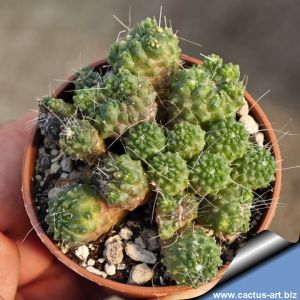
A special, highly proliferous form that branches vigorously from the base, producing numerous small green heads. The white areoles are typically spineless or occasionally bear a single fine, soft, non-prickly spine.
-
10
The Line Areoles form, or Haku-Jo in Japanese, features a delicate fuzzy strip linking the areoles, creating a graceful linear design along the ribs.
-
11
A crested Echinocactus grusonii (the famous “Mother-in-law’s Cushion”) with long, rigid, golden spines. The body forms fan-shaped or brain-like crests, and no two specimens are ever perfectly alike.
-
12
Compact globular cacti featuring slender, wavy ribs, elegant papery central spines, and strikingly striped blooms.
-
13
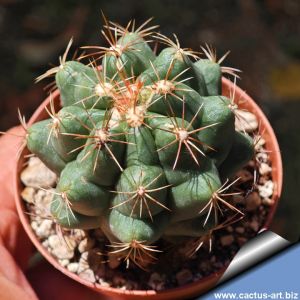
Large flowers in shades from violet to carmine red. Rather than distinct ribs, it bears well-defined tubercles, giving it a form closer to Coryphantha than to Thelocactus.
-
14
Larger than other Epithelantha, freely clustering; over time it develops a dark grey to black central spine projecting slightly forward. Relatively large pink flowers are followed by purple berries nestled in the apical wool.
-
15
Tiny ellipsoidal body entirely covered in minute, opaque white spines, except for the apical ones tipped in dark. Small pale pink flowers bloom from the top amidst white wool.
-
16
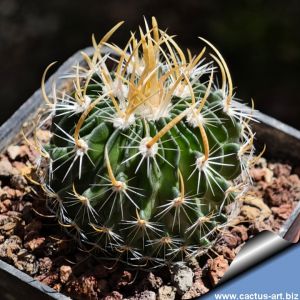
Rounded stems with a white-woolly, depressed apex; numerous densely packed, sharp, wavy ribs. Radial spines bristle-like, silky, and near-transparent (whitish-cream); three amber to brownish centrals, the middle one flattened.
-
17
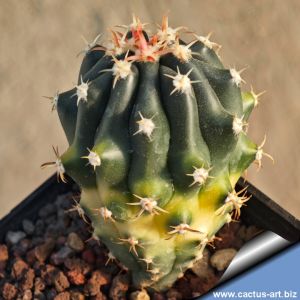
Unmistakable Ferocactus noted for its short, robust spines. Rare variegated plants appear randomly among typical seedlings and are carefully isolated for propagation. Their future availability cannot be assured.
-
18
In the Line Areoles variety (known as Haku-jo in Japanese), a soft white felted line connects the areoles, forming an elegant, continuous pattern along the ribs.
-
19
Distinctive variety featuring elongated stems that spontaneously fork in dichotomous branching, resulting in large clusters. Highly uncommon, offered in very few specimens.
-
20
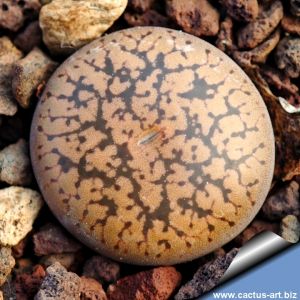
Refined Japanese “ink blot / reticulata brown” cultivar with a beige-mustard epidermis and a window featuring broad, dark coffee-colored reticulation. Its wide, compact, and regular dendritic patterns evoke a map-like design.
-
21
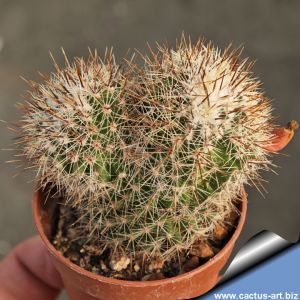
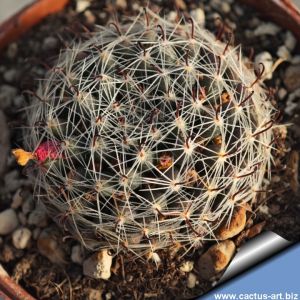
A charming dwarf Mammillaria with short, curved, hairy central spines that range from brown to yellow-orange when young and gradually fading to gray as the plant matures..
-
22
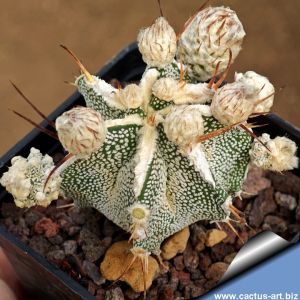
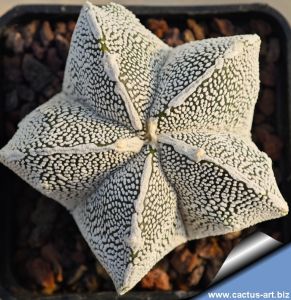
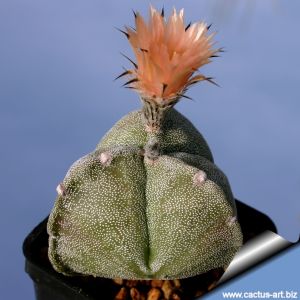
Astrophytum myriostigma ‘Tricostatum’ is a renowned and captivating cultivar with only three ribs. Its stem is speckled with white dots—sparse or dense—giving the plant a highly ornamental appearance.
-
23
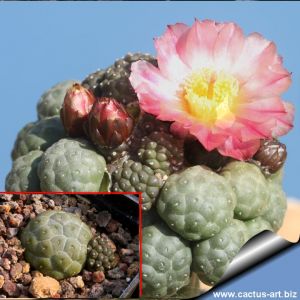
A tiny cactus forming blue-green to olive-green globular segments that grey with age. The rare spineless form is completely smooth and harmless. Flowers perform magic: they open pale honey-yellow then transform to pink as they age.